Concrete Curbing Around Trees: 5 Design Tips for Wisconsin Yards

Seth Pajtash • May 15, 2026

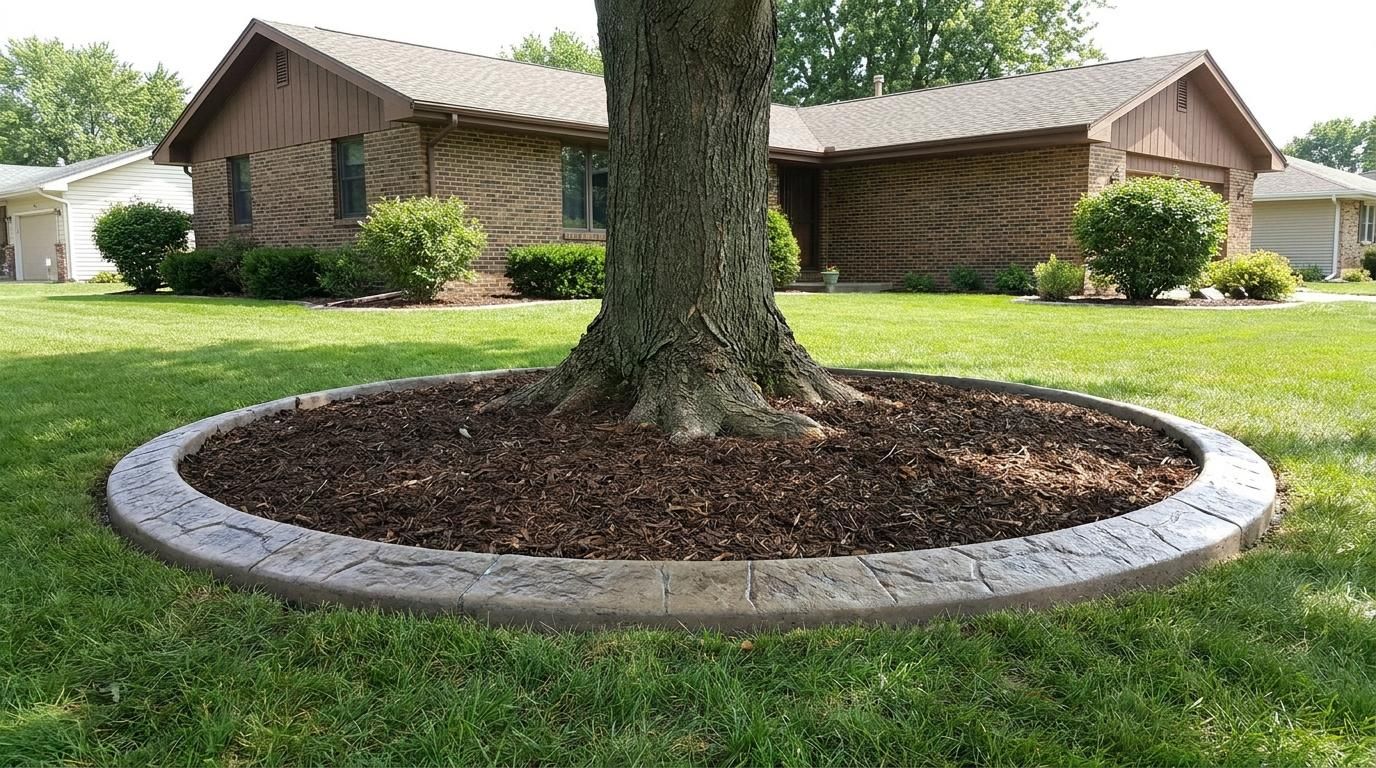
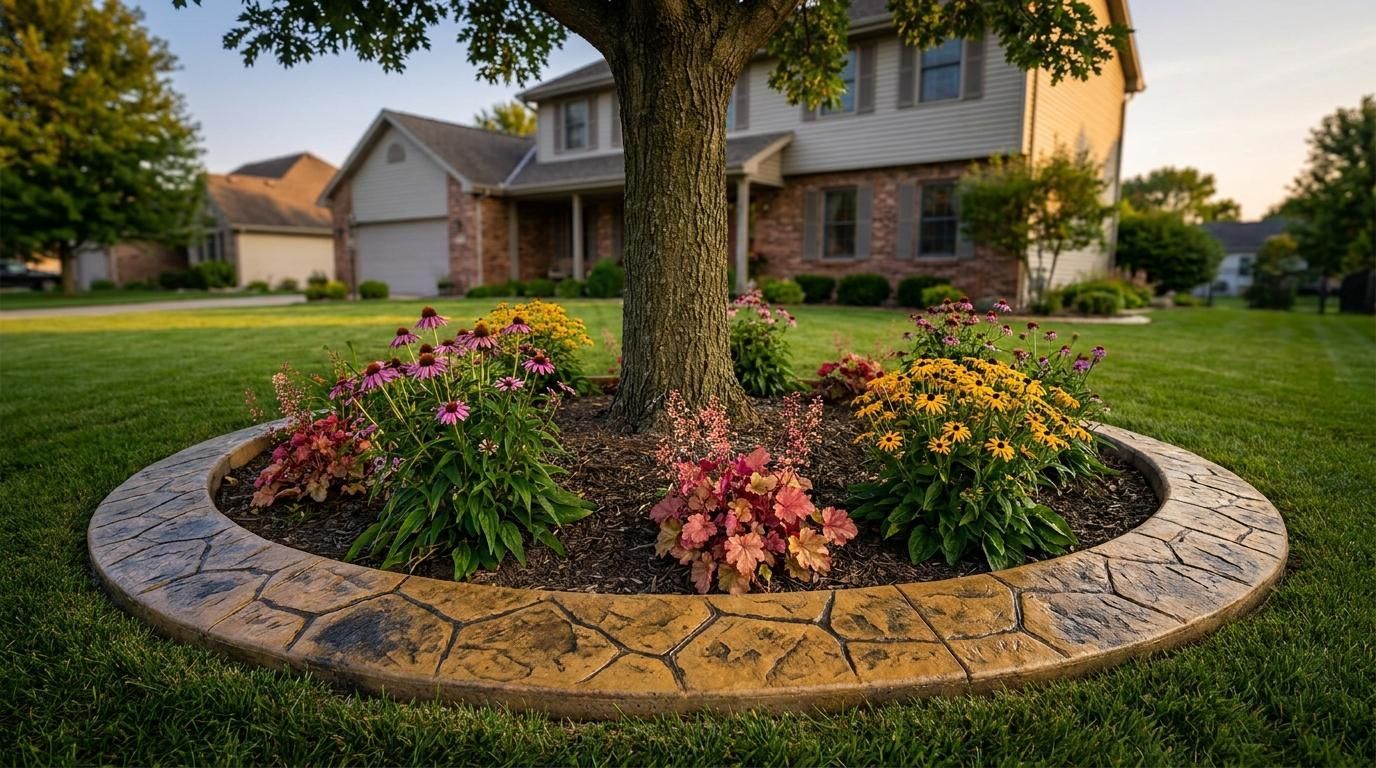
 Concrete curbing around trees creates a permanent, mower-friendly ring that holds mulch in place and stops grass from creeping into the root zone. Five details determine whether the ring works long-term: trunk clearance, ring diameter at the tree's mature size, stamp pattern selection, interior fill, and drainage planning. Get those right and the ring lasts through 15 to 20 years of growth and Wisconsin winters. Get them wrong and the curbing cracks, the tree suffers, or both.

Elite Landscape Curbing installs tree ring curbing across central and northern Wisconsin, where freeze-thaw cycling, frost heave, and mature hardwood root systems make ring design more demanding than in milder climates. The sections below walk through trunk clearance, ring sizing for mature growth, pattern and color choices, interior fill options, and drainage planning before the first freeze.

1. Leave Enough Space Between the Curb and the Trunk

The most common mistake with tree ring curbing is placing the border too close. Roots grow outward from the trunk, and a tight ring restricts that growth while trapping moisture against the bark, a recipe for rot in Wisconsin's wet spring seasons.

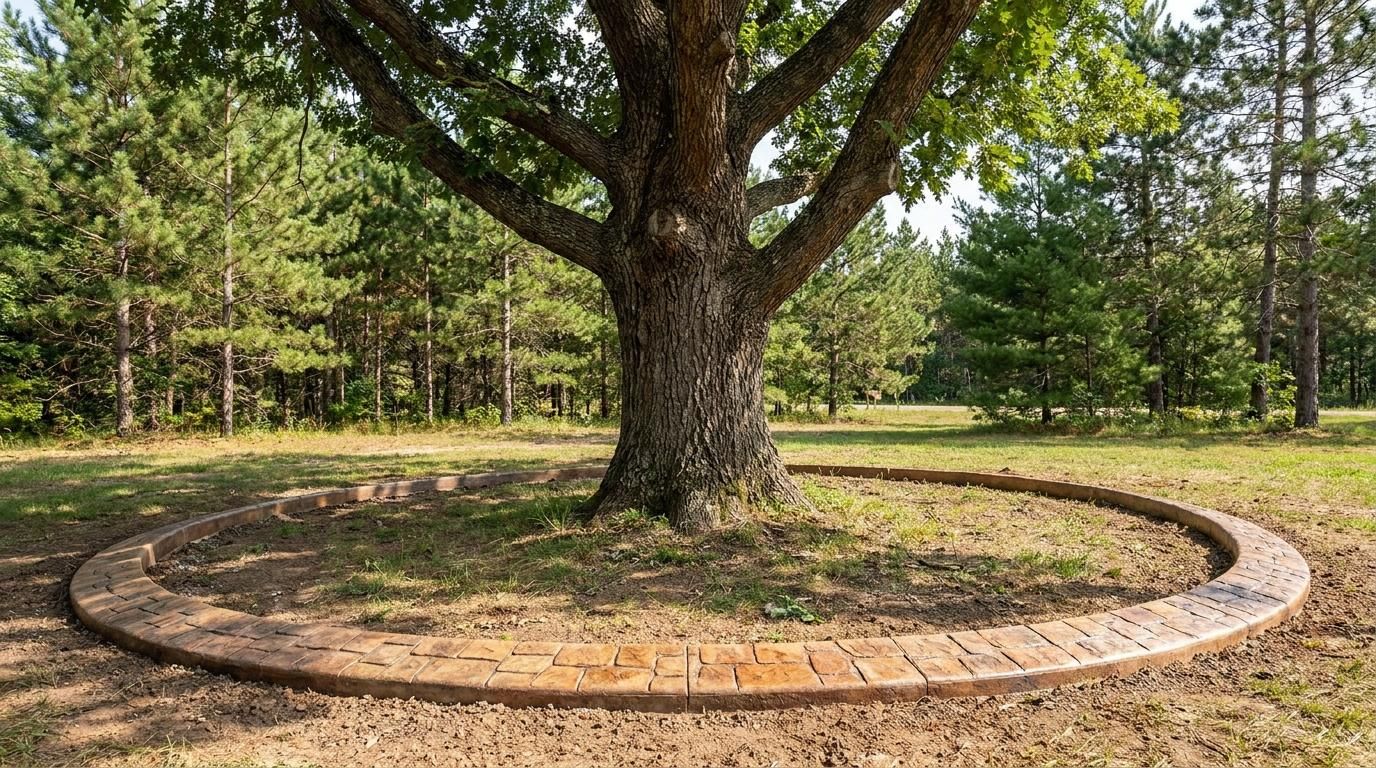
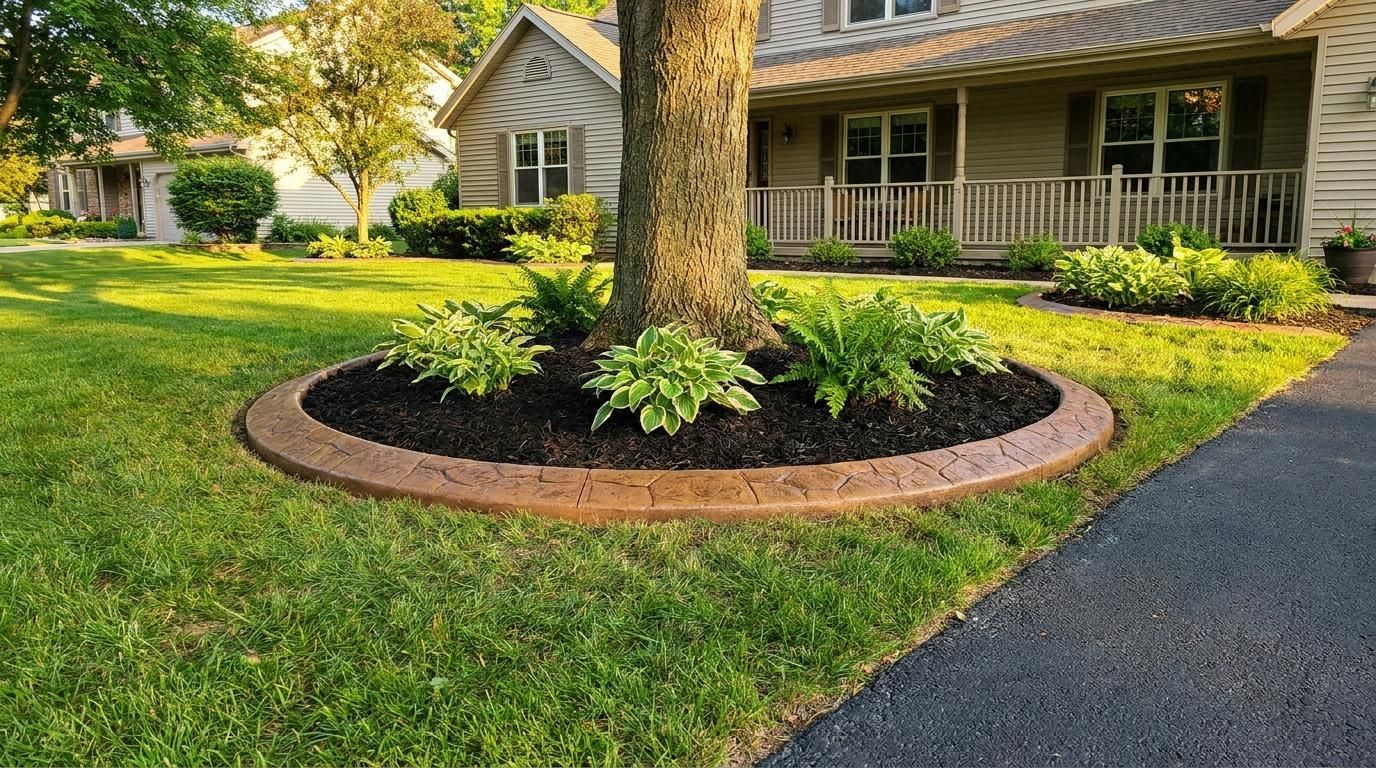
For young trees with trunks under six inches in diameter, maintain at least 12 inches of clearance. For mature maples, oaks, and white pines common across the Wausau and Merrill area , extend that setback to three feet or wider. The root flare, where the trunk widens into the soil, should stay fully exposed above grade.

2. Shape the Ring Around the Tree's Mature Size

A circle that fits a young maple won't accommodate the same tree 15 years from now. Plan the ring diameter around the expected canopy spread at maturity, not the current trunk size.

Oval and organic shapes work better than tight circles for trees near walkways or garden beds. The Harpten extrusion machine that Elite Landscape Curbing uses follows smooth, continuous curves around existing landscaping with no joints or seams. That seamless construction matters in northern Wisconsin, where freeze-thaw movement punishes any crack or gap in the concrete.

3. Match the Stamp Pattern to the Property

Stone-style stamps suit Northwoods cabins and Minocqua lake homes where natural textures blend with the surroundings. Brick or slate patterns create a cleaner, more structured look for suburban properties in Stevens Point or Wisconsin Rapids.

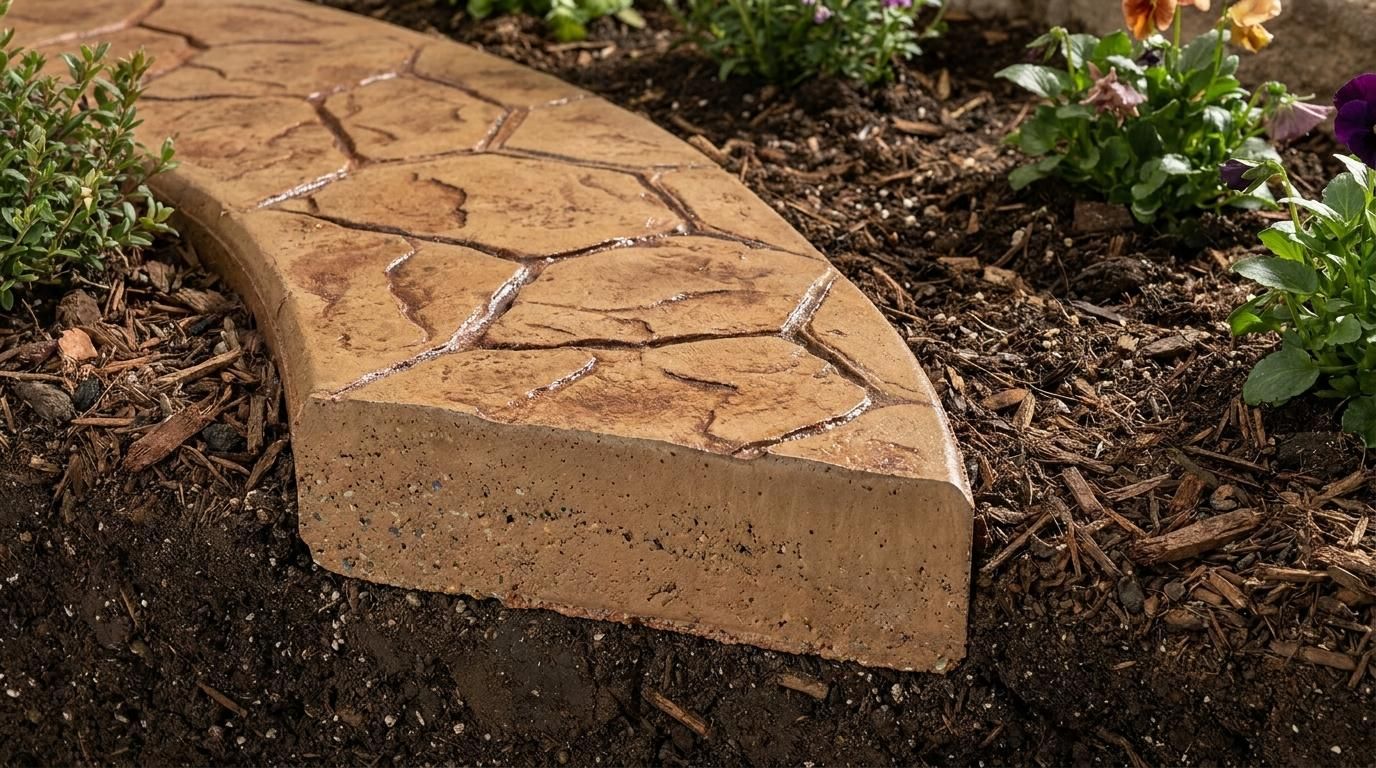
Elite offers 23 stamp patterns , including Wisconsin-inspired designs like Fox River Valley and Door Peninsula Floor. Darker integral colors like Bark or Onyx frame the tree without competing with seasonal flowers, while lighter tones like Sandstone or Sand complement lighter home exteriors.

4. Fill the Interior With Rock or Mulch

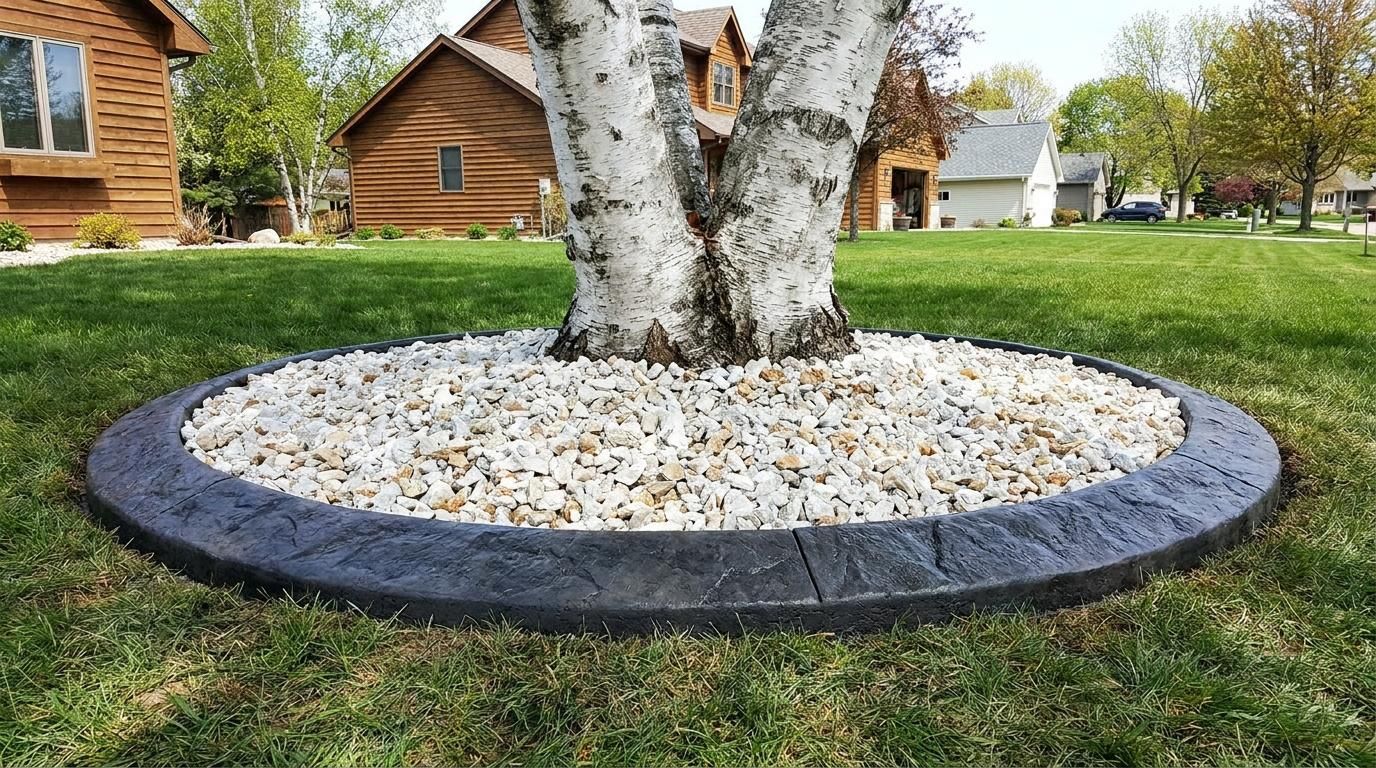
An empty tree ring collects leaves, weeds, and standing water. Filling the interior with landscape rock or mulch finishes the look and adds a layer of root insulation against temperature swings that drop below negative 20°F in the Northwoods.

Rock works well for lake homes and seasonal properties where hands-off maintenance matters most. Mulch holds more soil moisture during dry summer stretches but needs refreshing every one to two years. Elite Landscape Curbing installs rock and mulch alongside curbing projects so the entire bed is finished in a single visit, no second contractor needed.

5. Plan for Drainage Around the Base

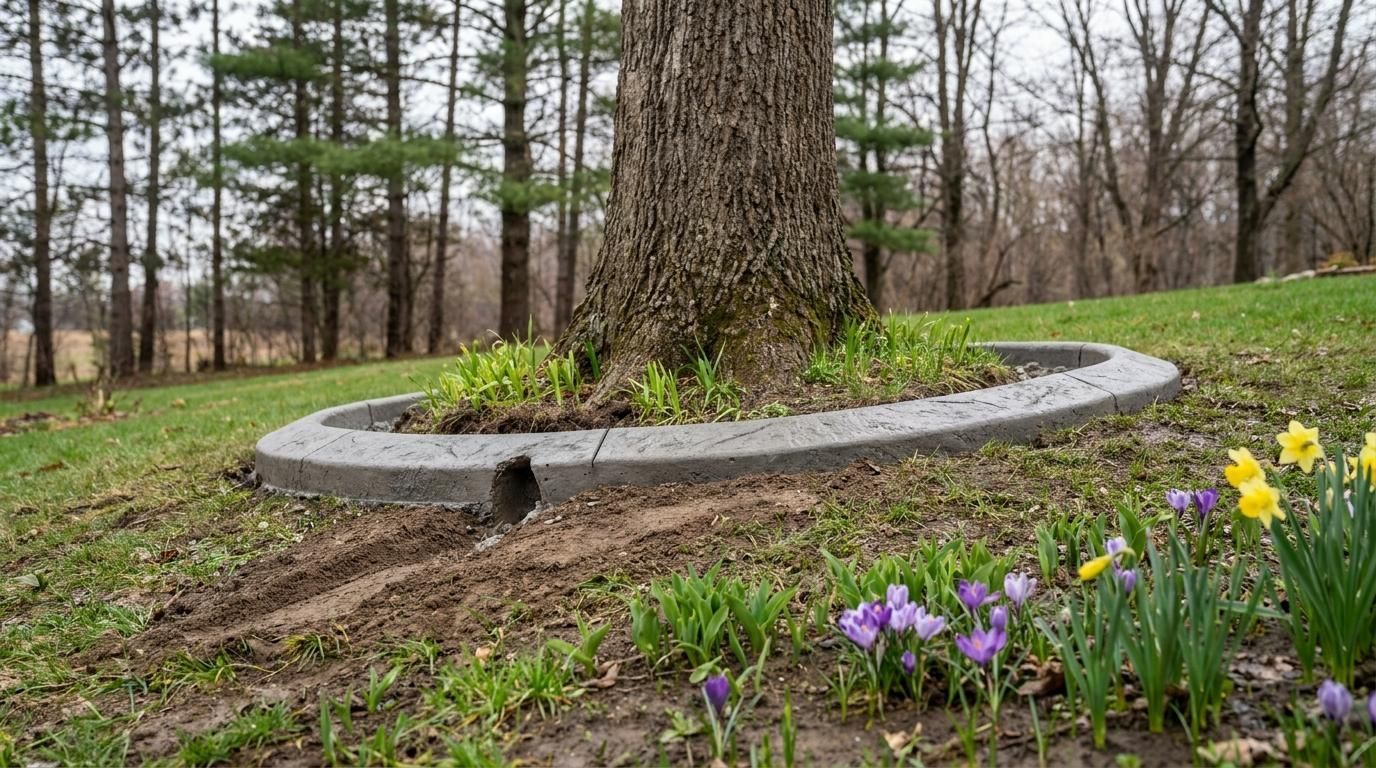
A tree ring that pools water against the trunk does more harm than good. Grade the soil inside the ring so water flows away from the base, especially during spring snowmelt when northern Wisconsin ground saturates quickly.

If the tree sits on a slope, leave a small gap or low point at the downhill side to let runoff escape. Proper drainage protects both the tree's root system and the concrete itself. When standing water freezes inside the ring, it expands and creates pressure that can lift or crack the curb over repeated freeze-thaw cycles.

For more design inspiration, visit our guide to Creative Garden Curbing Ideas.

Frequently Asked Questions

Does concrete curbing damage tree roots?

Not when installed correctly. Professional curbing uses a shallow base that sits at grade level, keeping the concrete above the critical root zone. Contractors avoid deep excavation near the trunk and hand-dig around visible surface roots. Elite Landscape Curbing adjusts ring placement and trench depth on every project to protect root health throughout the tree's life.

How wide should a concrete tree ring be?

Width depends on the tree's maturity. Young trees need a minimum 12-inch setback from the trunk, while mature hardwoods benefit from three feet or more of clearance. A wider ring gives roots room to expand and keeps the concrete farther from root heave forces that can crack the border over time.

Can curbing be installed around trees on a slope?

Yes. The curbing follows the natural grade and can include low points for drainage so water doesn't pool at the trunk. Sloped installations require careful layout to keep the ring visually level and structurally sound through Wisconsin's seasonal freeze-thaw movement and soil shifts.

Plan Your Tree Rings Before the Season Fills Up

Getting the layout right (trunk clearance, drainage grading, ring diameter for future growth) prevents problems that surface three or four winters later. Tree ring curbing is a one-day project when the design details are finalized before the crew arrives.

Contact Elite Landscape Curbing at (715) 204-4727 or request a free quote online to schedule a consultation this spring. Every project includes a 2-year workmanship warranty and a follow-up packet with care instructions.

By Seth Pajtash May 28, 2026
Explore 80+ concrete curbing colors from Elite Landscape Curbing. Integral pigments and release accents for Wisconsin homes, businesses, and lake properties.
By Seth Pajtash May 25, 2026
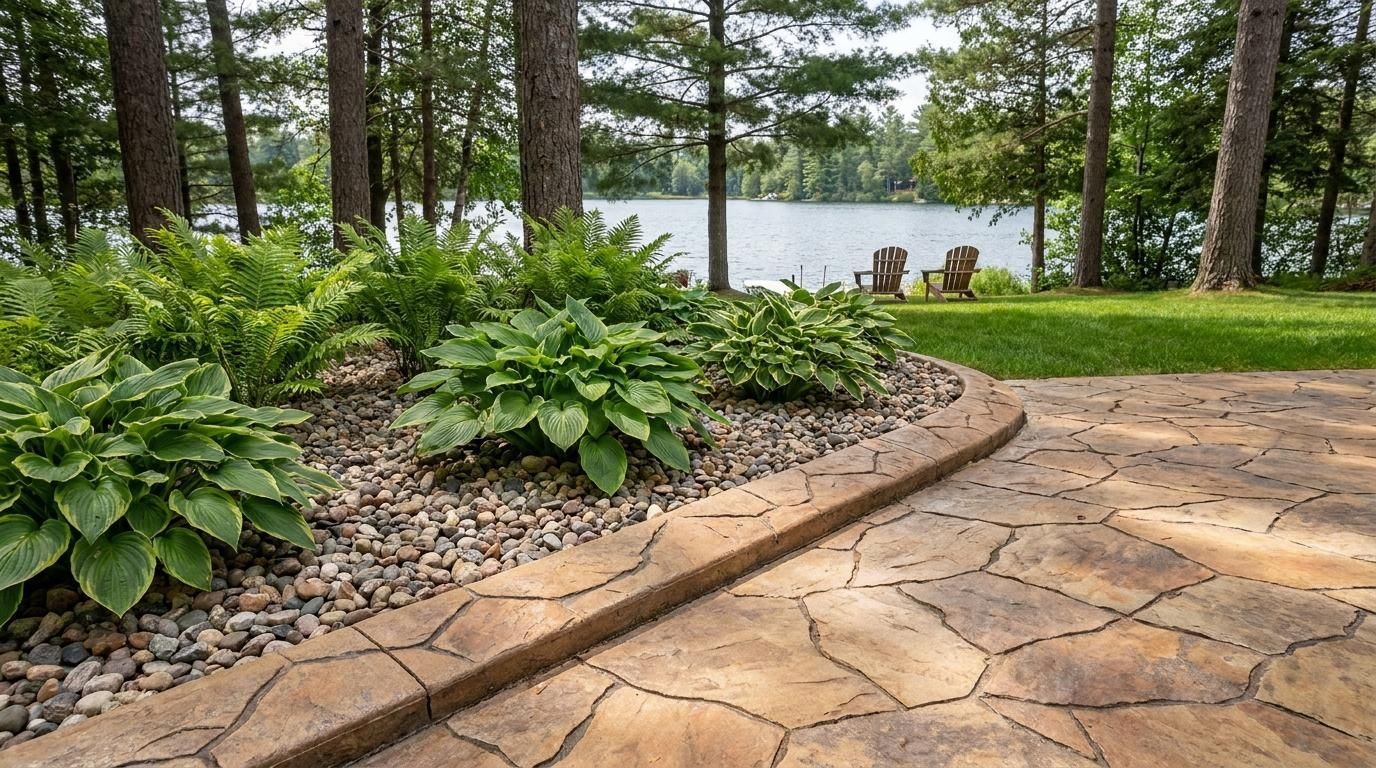
Explore landscape edging ideas for Wisconsin lake houses. Concrete curbing in stone & wood-grain patterns survives freeze-thaw winters & fits local aesthetics.
By Seth Pajtash May 21, 2026
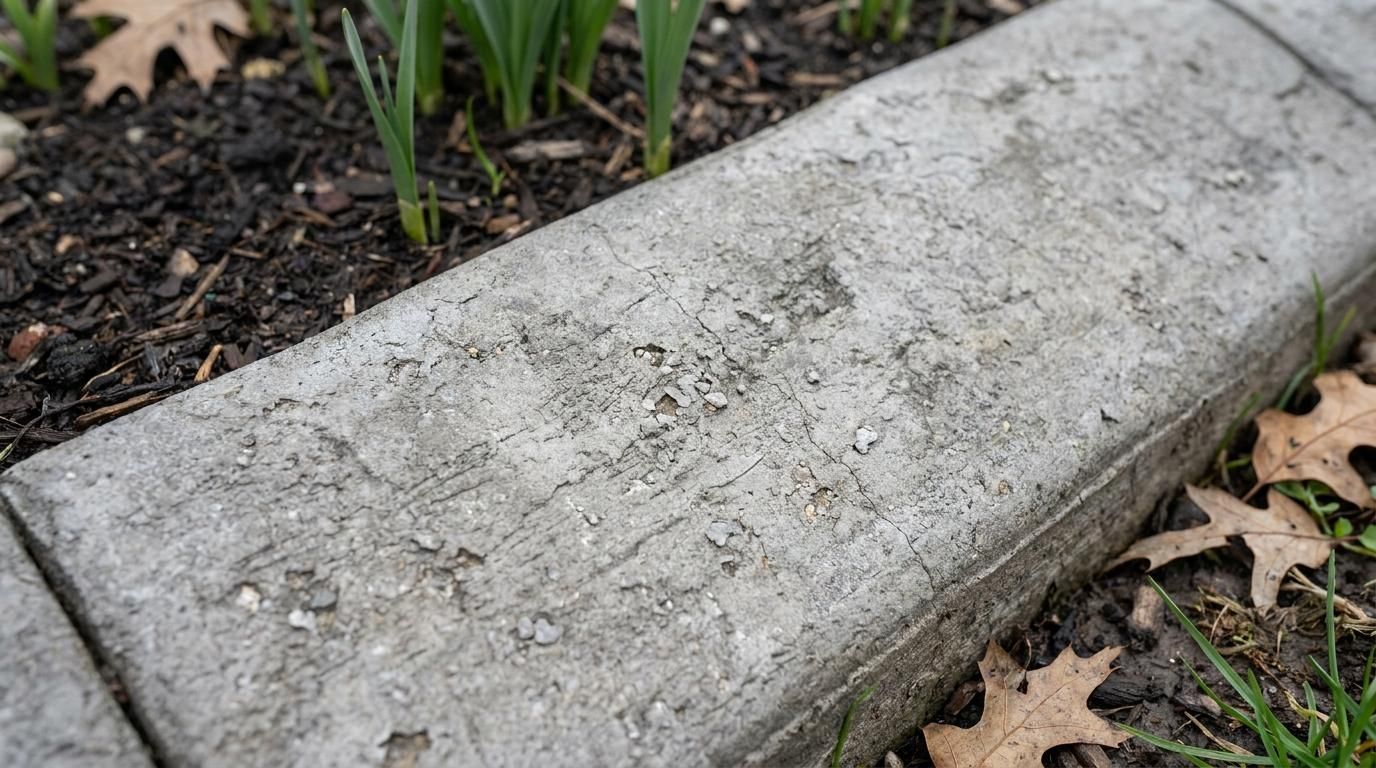
Learn when and how to seal concrete curbing in Wisconsin. Seasonal timing, sealer types, and a care schedule to protect your investment from freeze-thaw damage.
By Seth Pajtash May 18, 2026
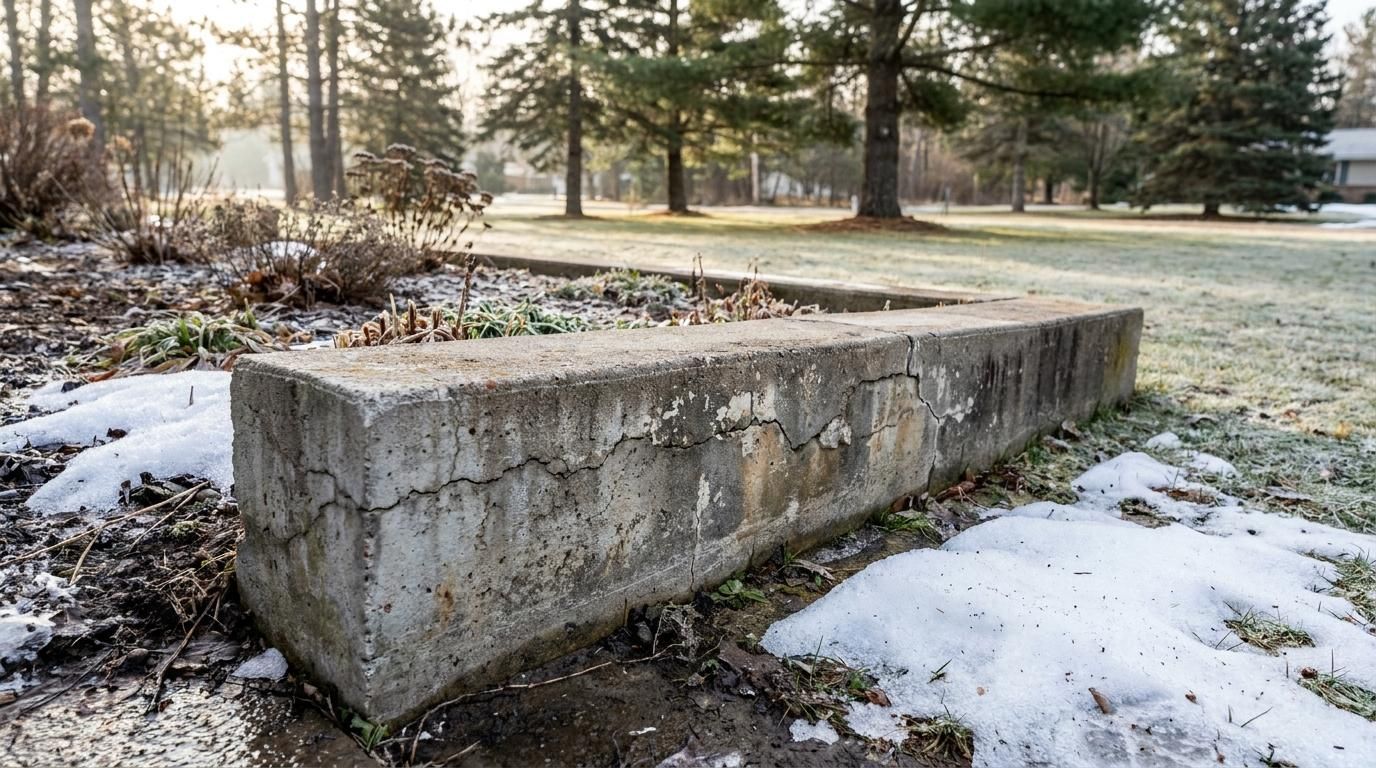
Concrete curbing lasts 15-20+ years in Wisconsin with proper installation and sealing. Learn what affects its lifespan and how to protect your investment.
By Seth Pajtash May 10, 2026
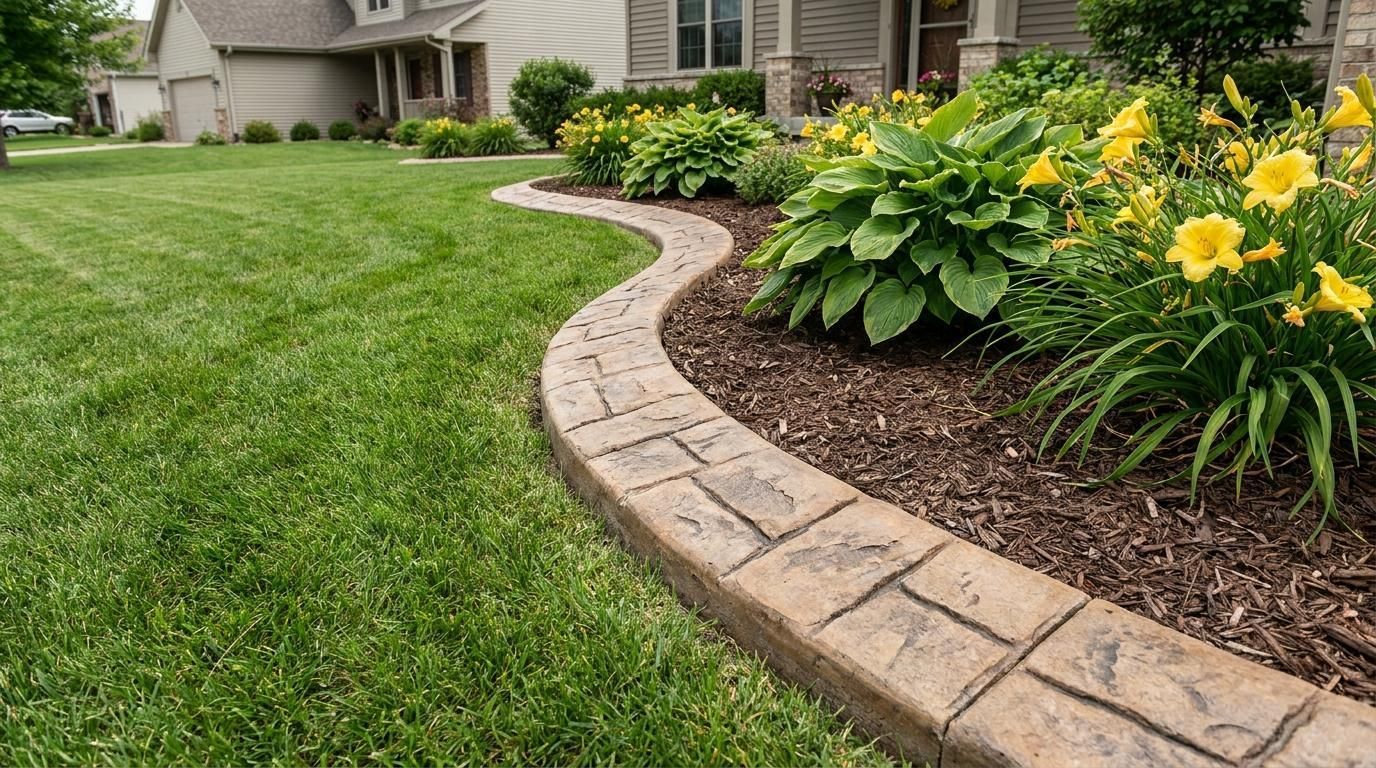
Explore 5 concrete border styles for garden beds built for Wisconsin weather. From flagstone to wood grain, find patterns that last 15 to 20 years.
By Seth Pajtash May 6, 2026
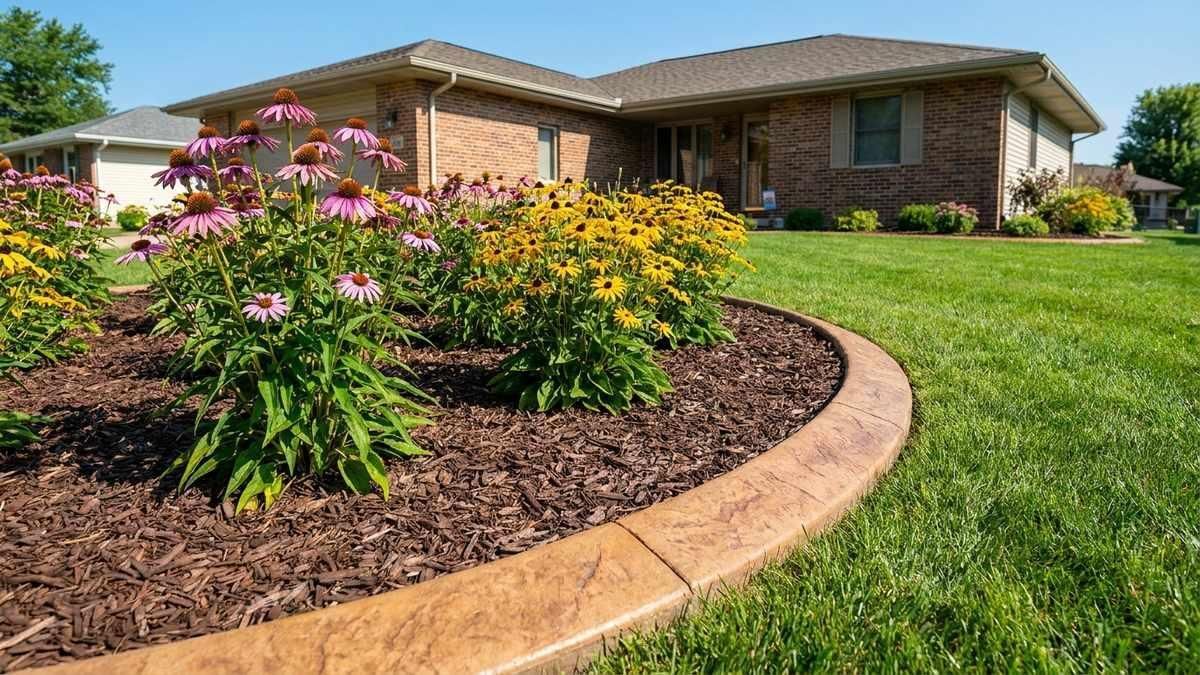
These Wisconsin native plants thrive inside concrete curbing beds. From coneflowers to little bluestem, these pairings reduce maintenance & add seasonal color.
By Seth Pajtash May 2, 2026
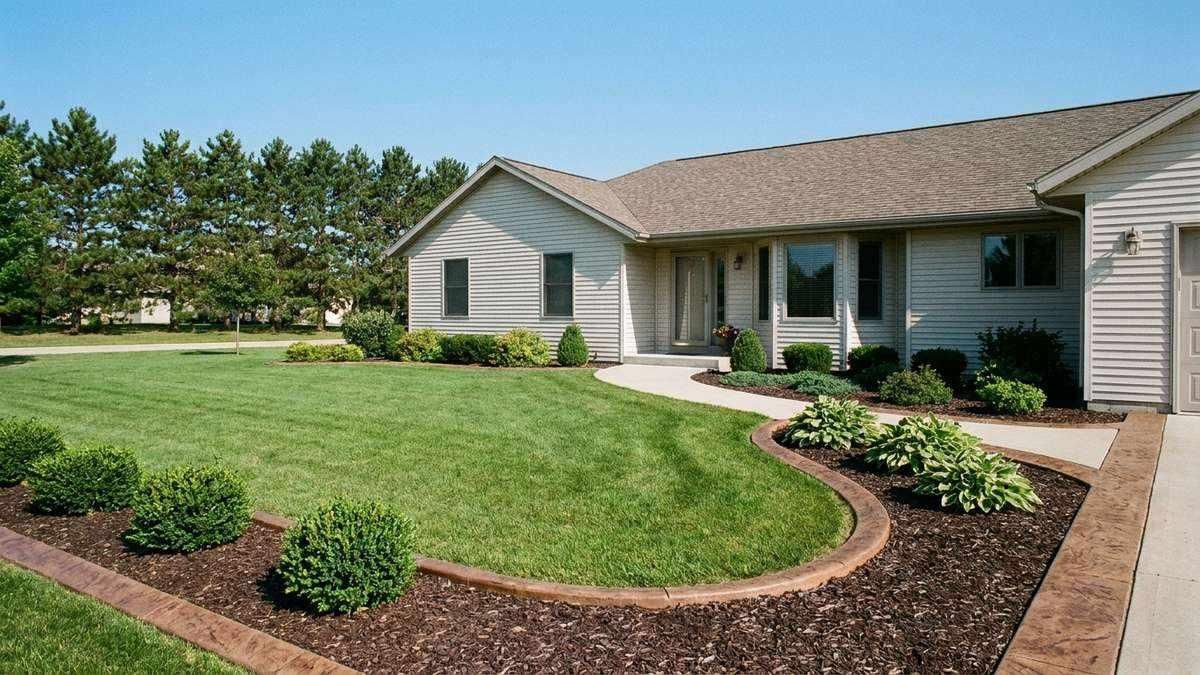
Hardscaping refers to the non-living elements of your landscape. Learn what counts, how concrete curbing fits, and why it matters for Wisconsin yards.
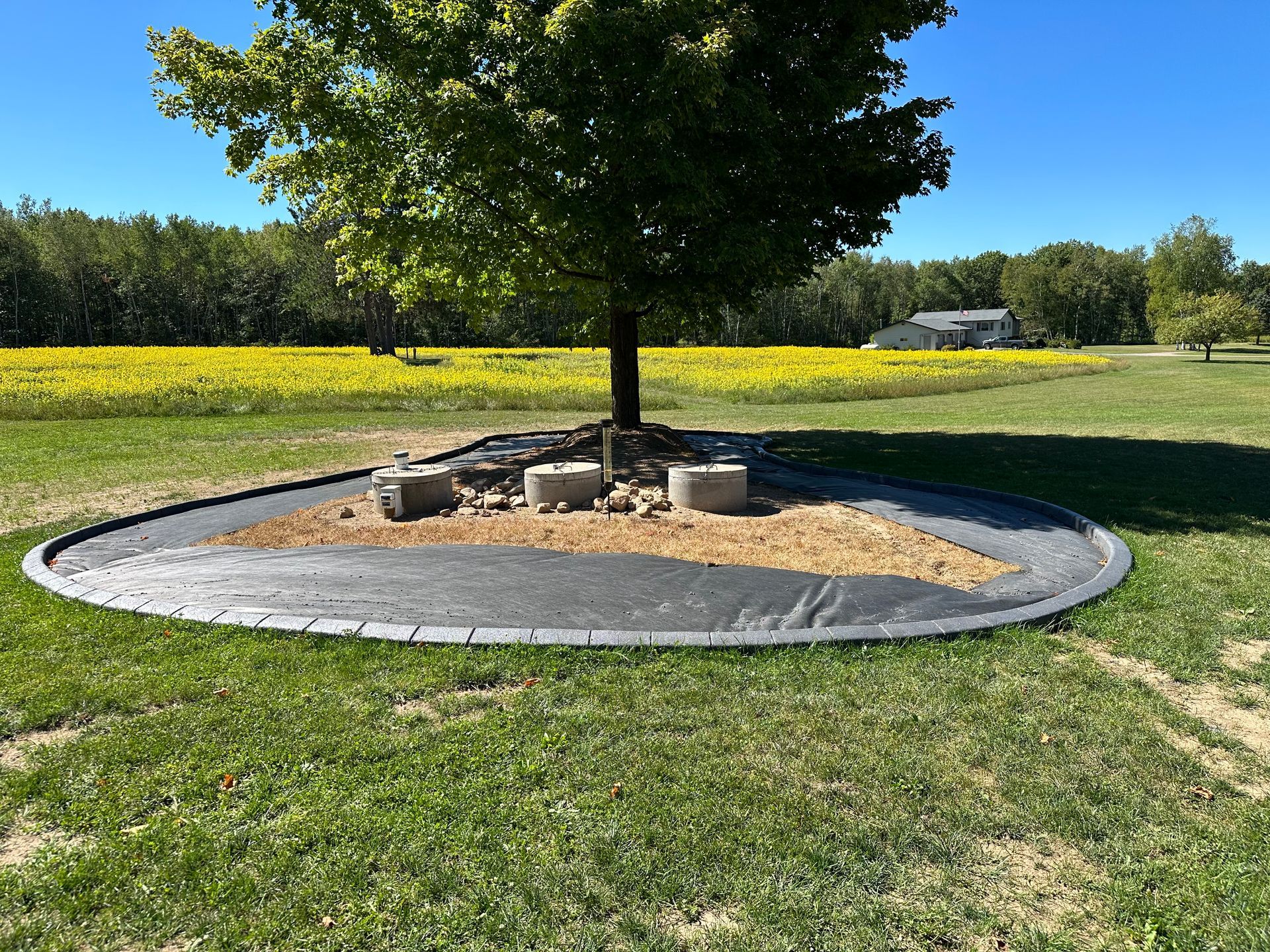
Young tree in a circular mulch bed with rocks, surrounded by grass in a sunny field
By Seth Pajtash April 29, 2026
Explore landscape border ideas for Central Wisconsin and Northwoods homes. Discover stone textures, color accents, and creative layouts built to last.
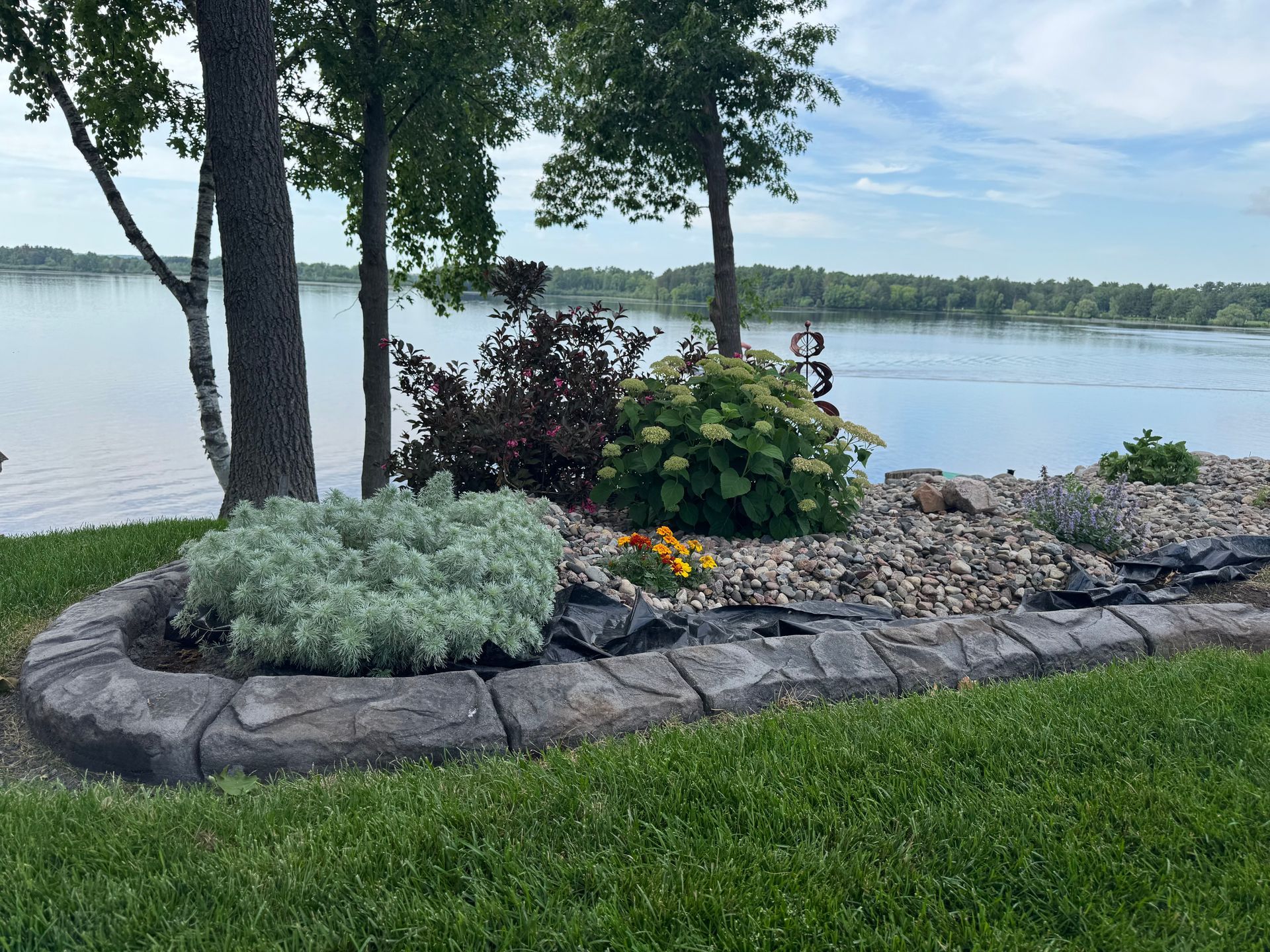
Landscaped lakeside garden with shrubs, flowers, stone edging, and trees overlooking calm water
By Seth Pajtash April 22, 2026
Explore concrete curbing ideas from rustic stone to clean-line brick patterns. See which styles are elevating Wisconsin landscapes in 2026.
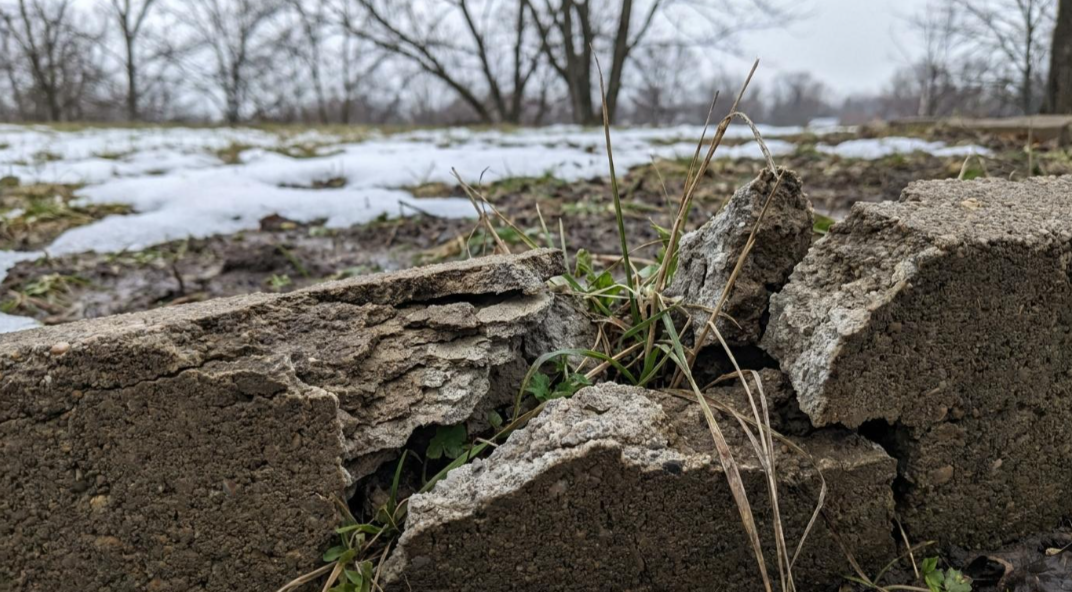
Cracked concrete slab with grass sprouting through, snowy field and bare trees in the background
By Seth Pajtash April 15, 2026
Thinking about DIY concrete landscape curbing? Compare the real costs, tools, and results of doing it yourself vs. hiring a pro in Wisconsin.
Show More