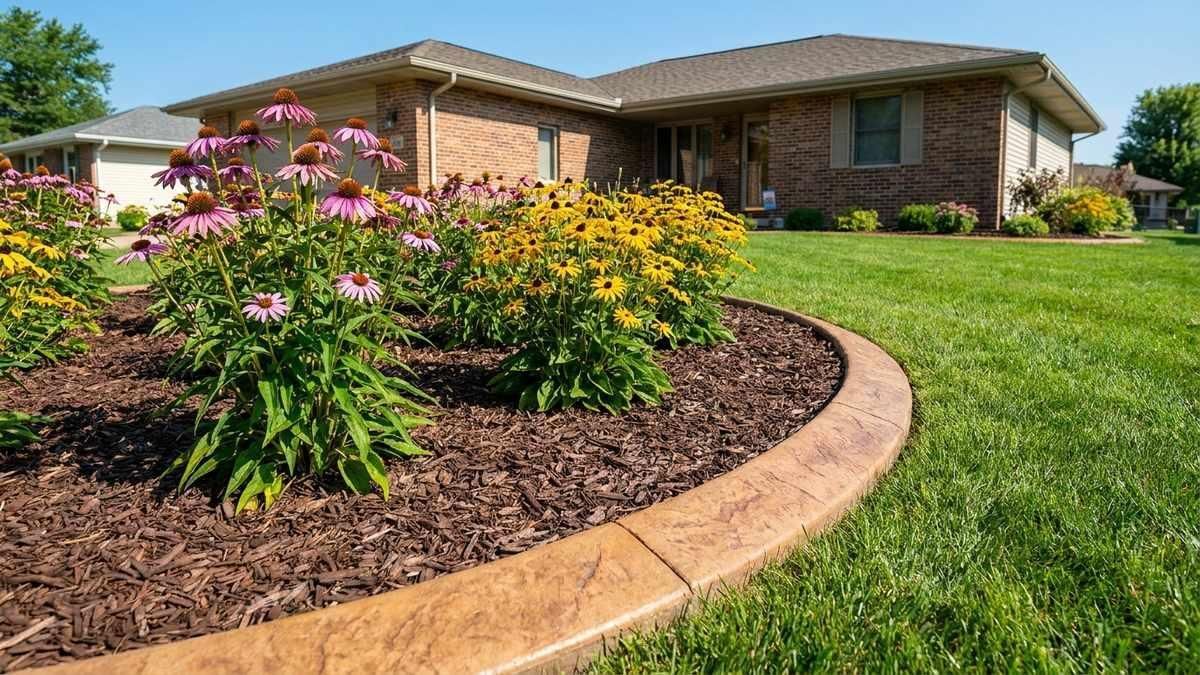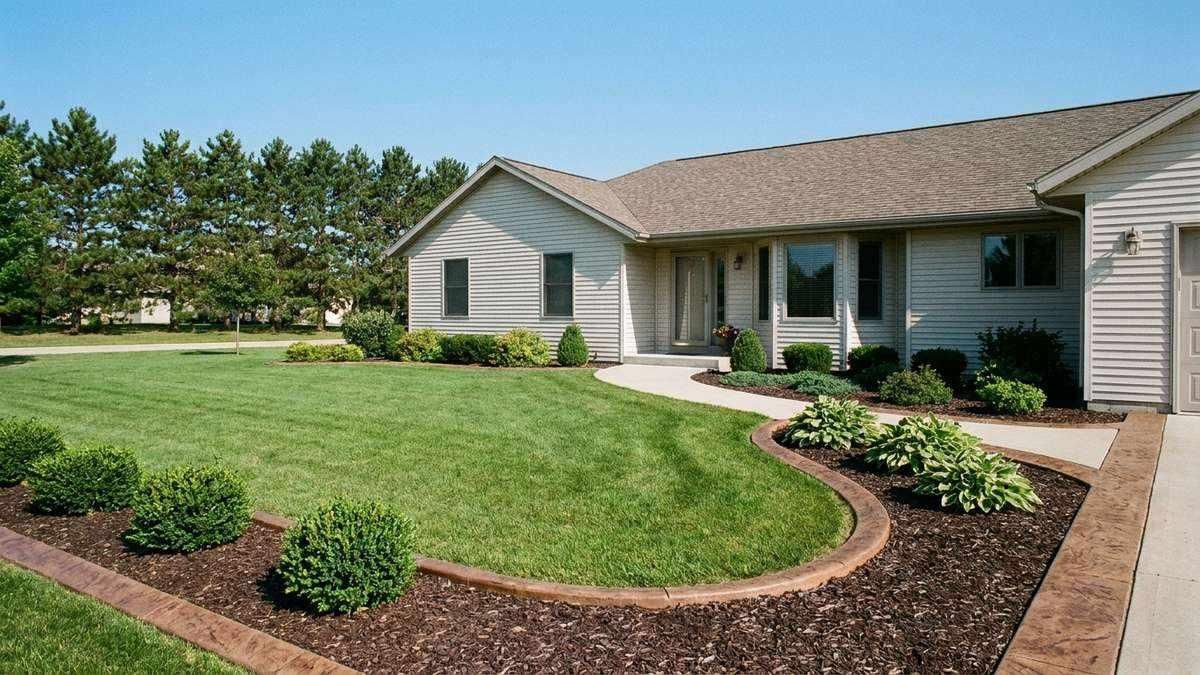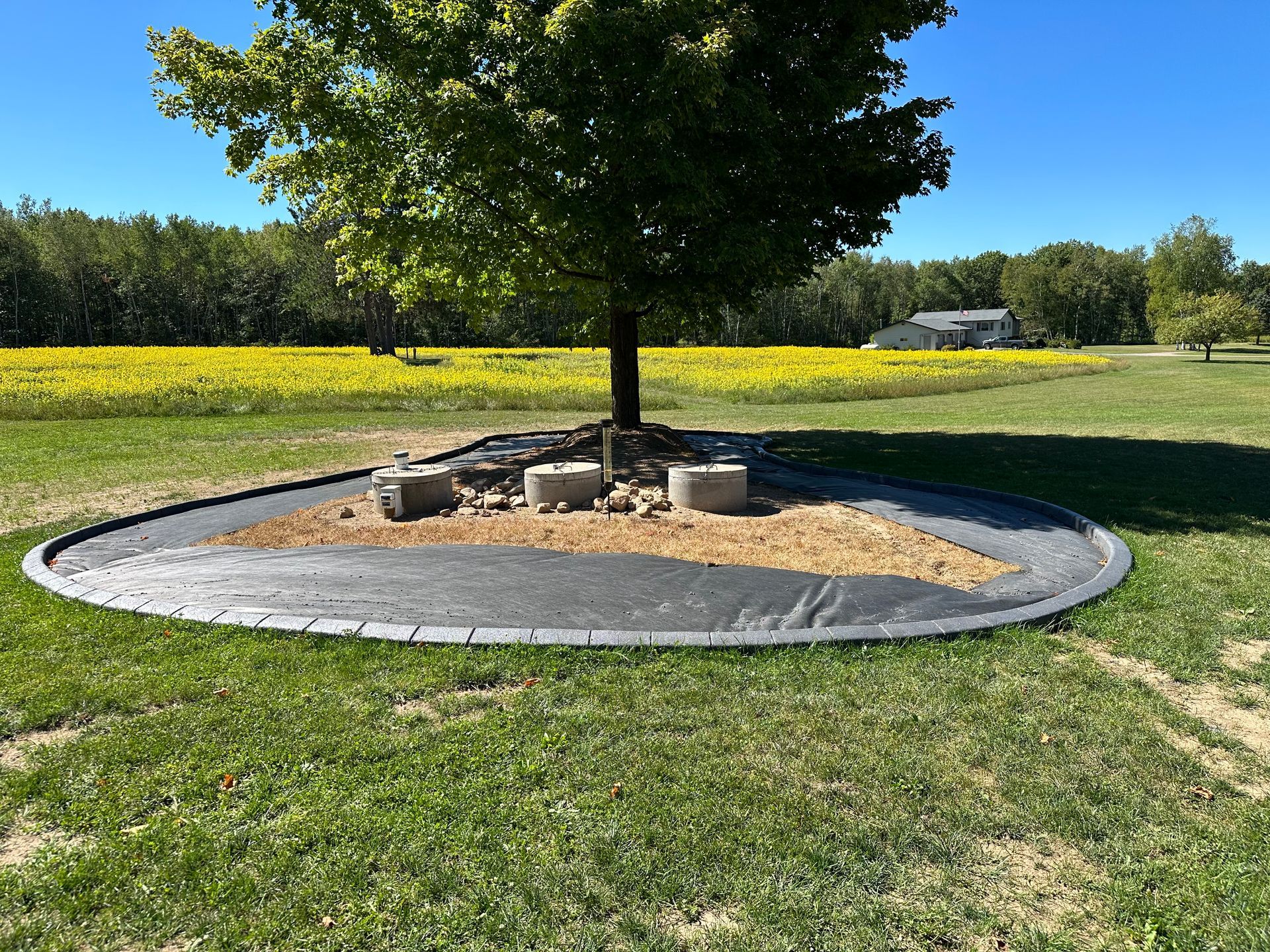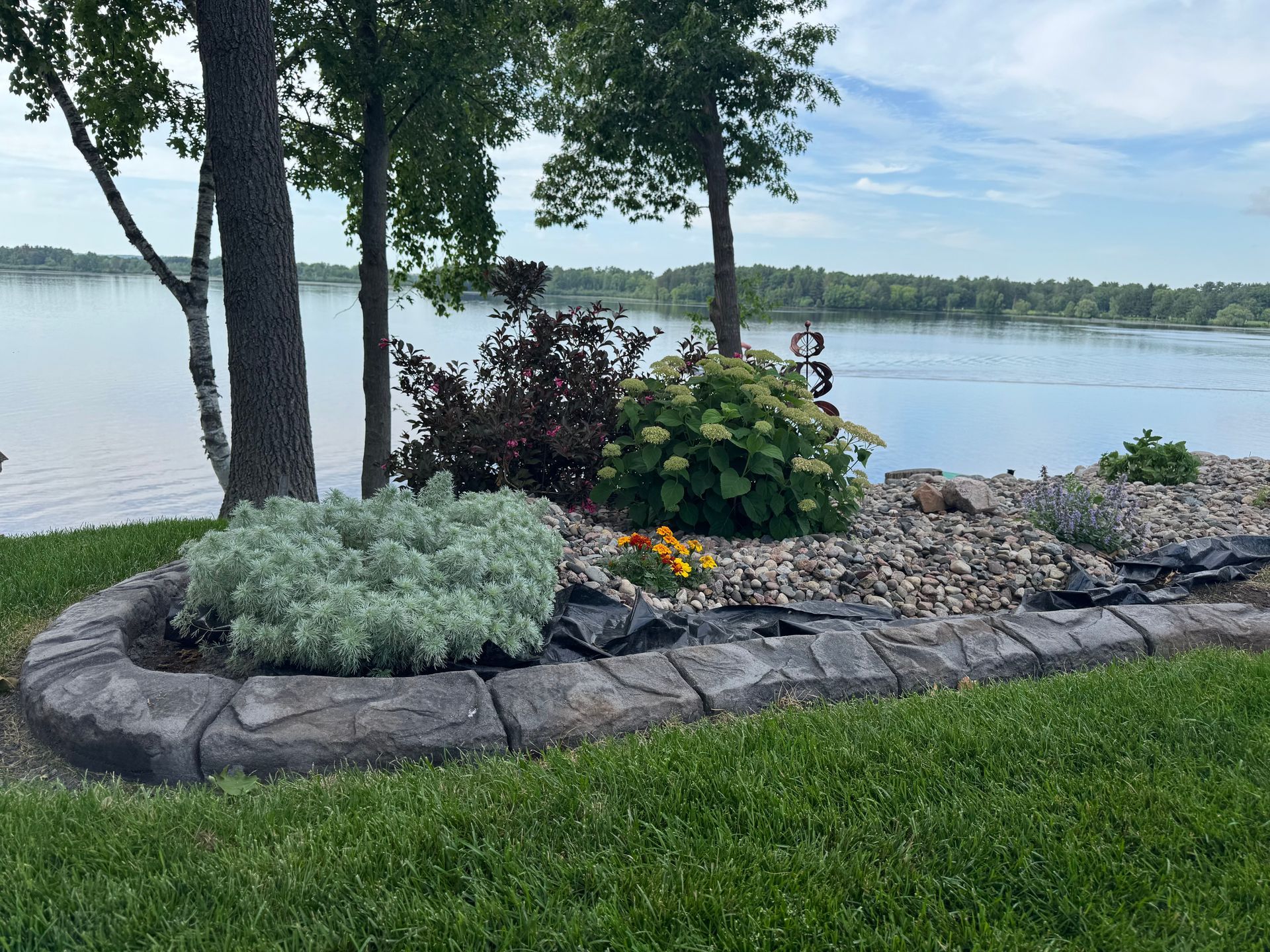
How To Seal Concrete Curbing: A Seasonal Guide for Wisconsin
How to seal concrete curbing depends on timing and product choice. In Wisconsin, the first poly sealer coat goes on five to seven days after installation, with a second coat later that same season. After the first year, reseal every two years to keep moisture from penetrating the concrete and triggering freeze-thaw damage.
Late spring is the window that matters most for this job. The ground needs to be fully thawed and daytime temperatures must steadily remain above 50°F before the sealer can bond correctly to the concrete surface. Elite Landscape Curbing handles resealing for clients across central and northern Wisconsin as part of its ongoing care program , returning on schedule so homeowners don't have to track the calendar themselves.
Why Sealing Protects Curbing in Freeze-Thaw Climates
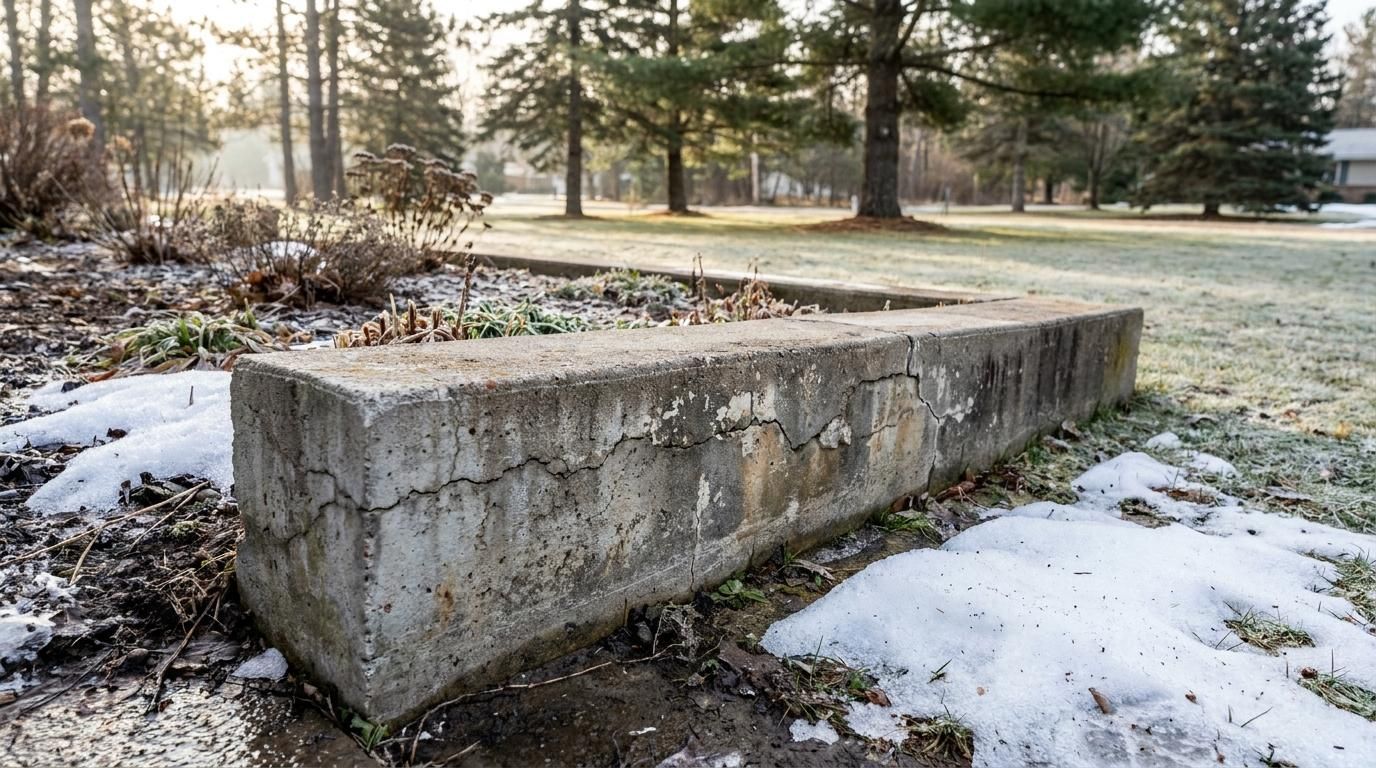
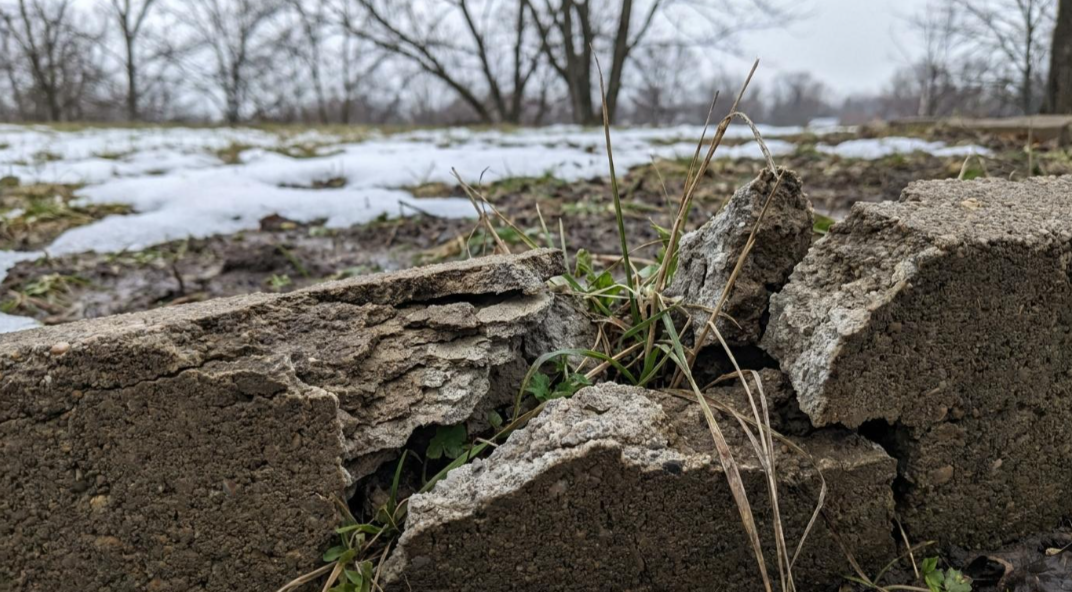
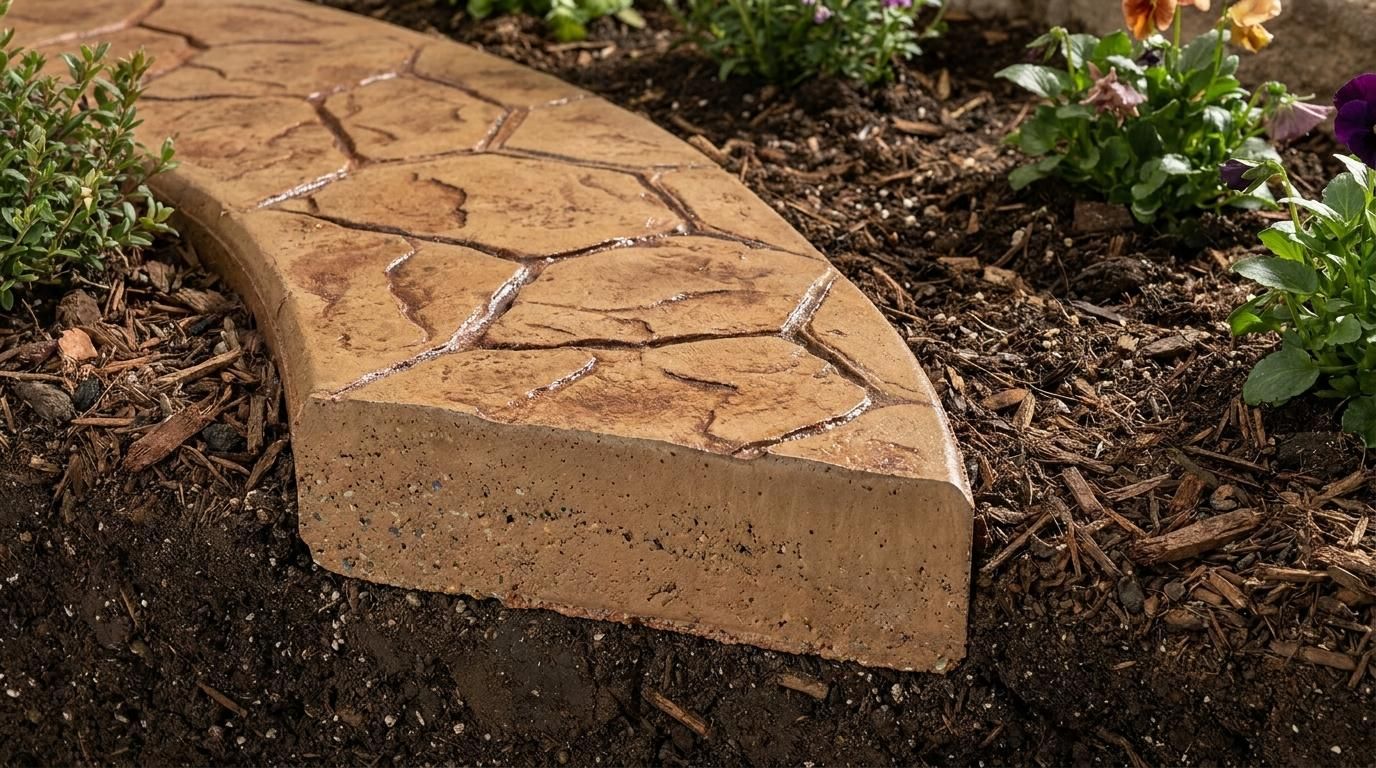
Unsealed concrete is porous. Water soaks into those surface pores, and when temperatures drop below freezing in northern Wisconsin, that trapped water expands by roughly 9%. Each cycle pushes existing cracks a little wider.
Over two or three unprotected winters, the surface begins to spall. Small flakes chip away from the stamped pattern, exposing fresh concrete to even more moisture. The damage accelerates season after season once it starts. In areas like Tomahawk , Merrill, and Rhinelander where hard freezes arrive early and linger, unprotected curbing can start showing surface deterioration within just a few seasons.
A poly sealer fills those surface pores and creates a barrier that repels water before it penetrates. The sealer doesn't make the concrete waterproof, but it reduces moisture absorption enough to break the freeze-thaw damage cycle. That's why a professional installer returns for a dedicated sealing visit after the concrete has cured.
When to Seal New and Existing Curbing
New curbing needs time to cure before sealer is applied. Sealing too early traps moisture inside the concrete and can cause whitening or adhesion failure.
First-Year Schedule
- First coat: five to seven days after installation, once the concrete has fully set
- Second coat: later the same season, before the first hard freeze arrives
- Both coats should go on when daytime temperatures are above 50°F and no rain is forecast for 24 hours
Ongoing Maintenance
- Reseal every two years after the first season
- Best timing: late April through early June, after snowmelt has dried and before summer heat peaks
- Fall resealing in September through early October also works if the spring window was missed
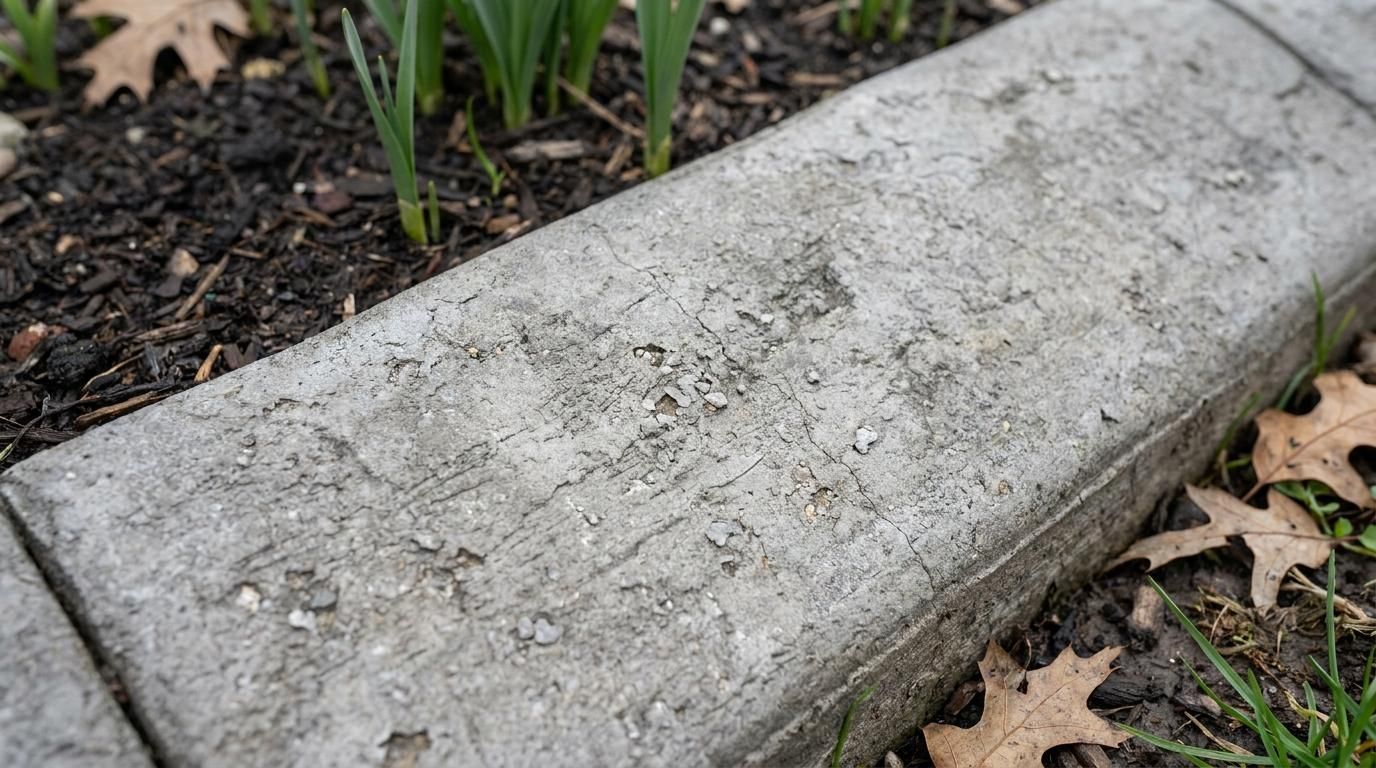
If curbing has gone more than two years without sealer, inspect the surface for spalling or flaking before resealing. Elite Landscape Curbing's guide on repairing concrete curbs can help you assess whether the surface needs addressing first.
What to Look for in a Curbing Sealer
Not every concrete sealer is appropriate for landscape curbing. The product needs to handle constant UV exposure, occasional foot traffic along garden edges, and repeated contact with wet mulch and soil.
Poly Sealers
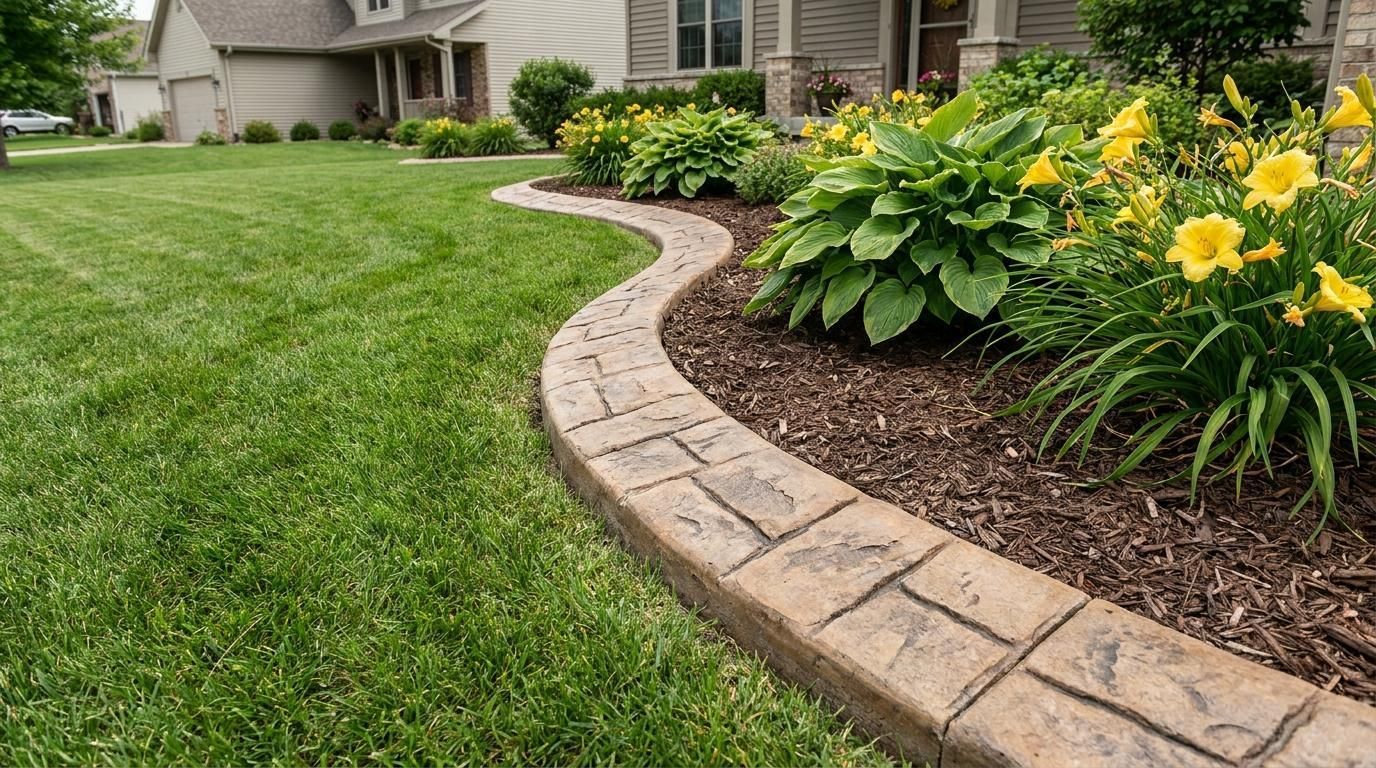
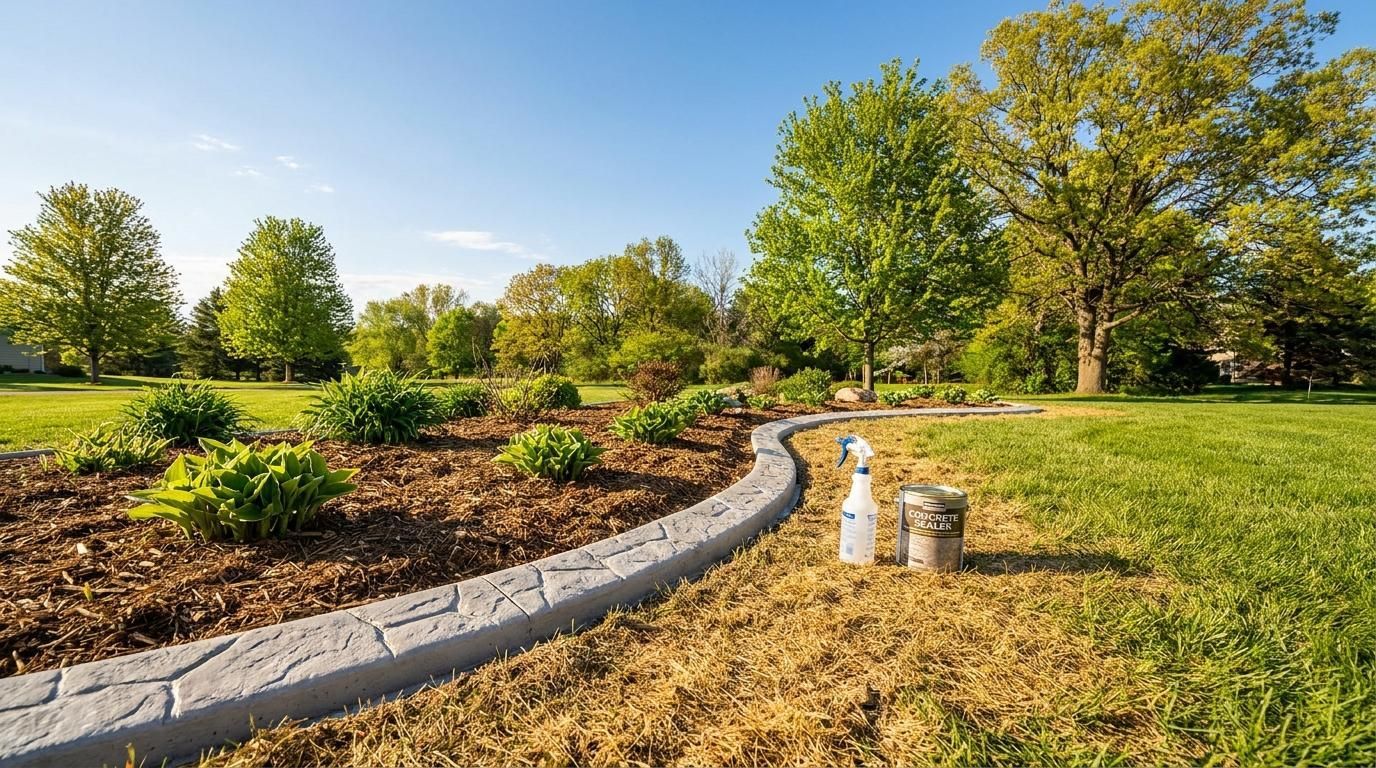
Poly sealers (polyurethane-based) are the standard choice for decorative concrete curbing in cold climates. They form a durable surface film that enhances the stamped pattern's color depth while blocking moisture from reaching the concrete pores underneath.
Penetrating Sealers
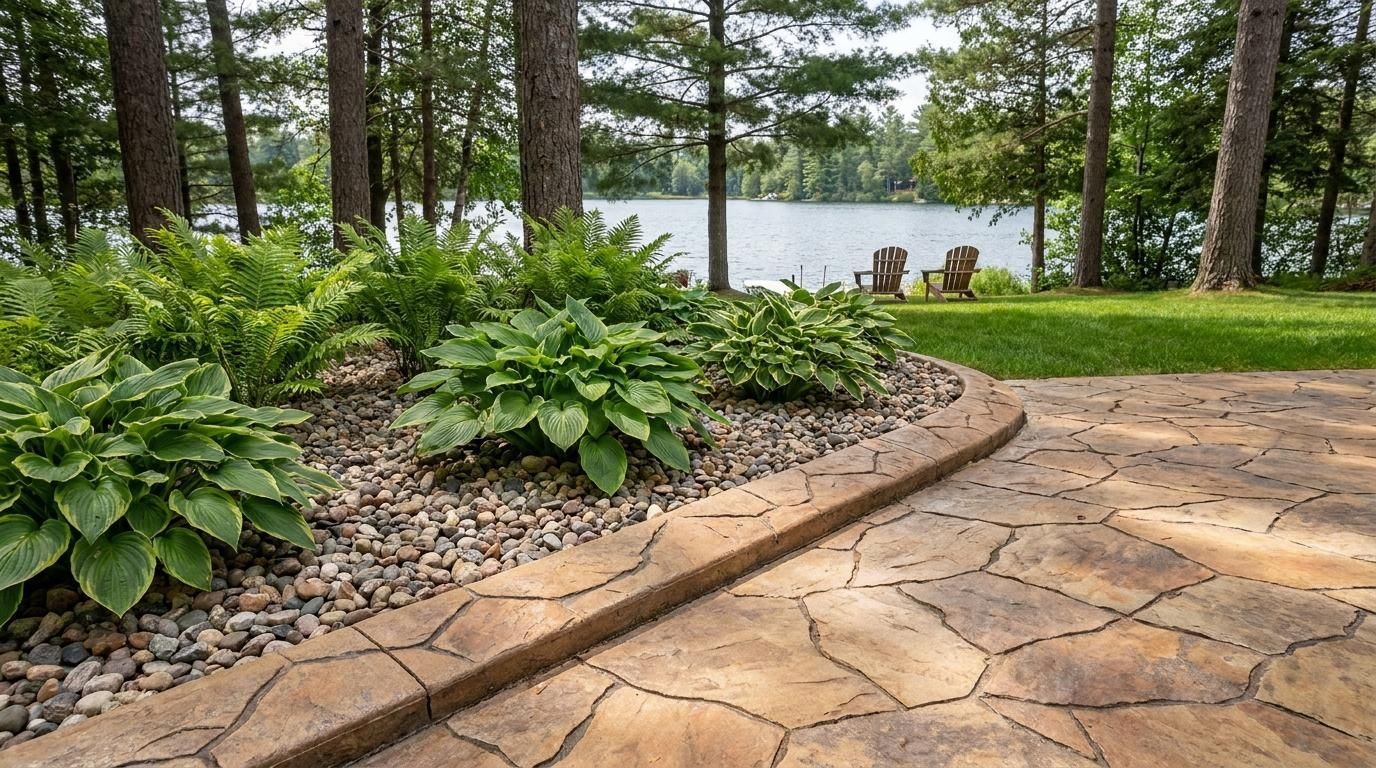
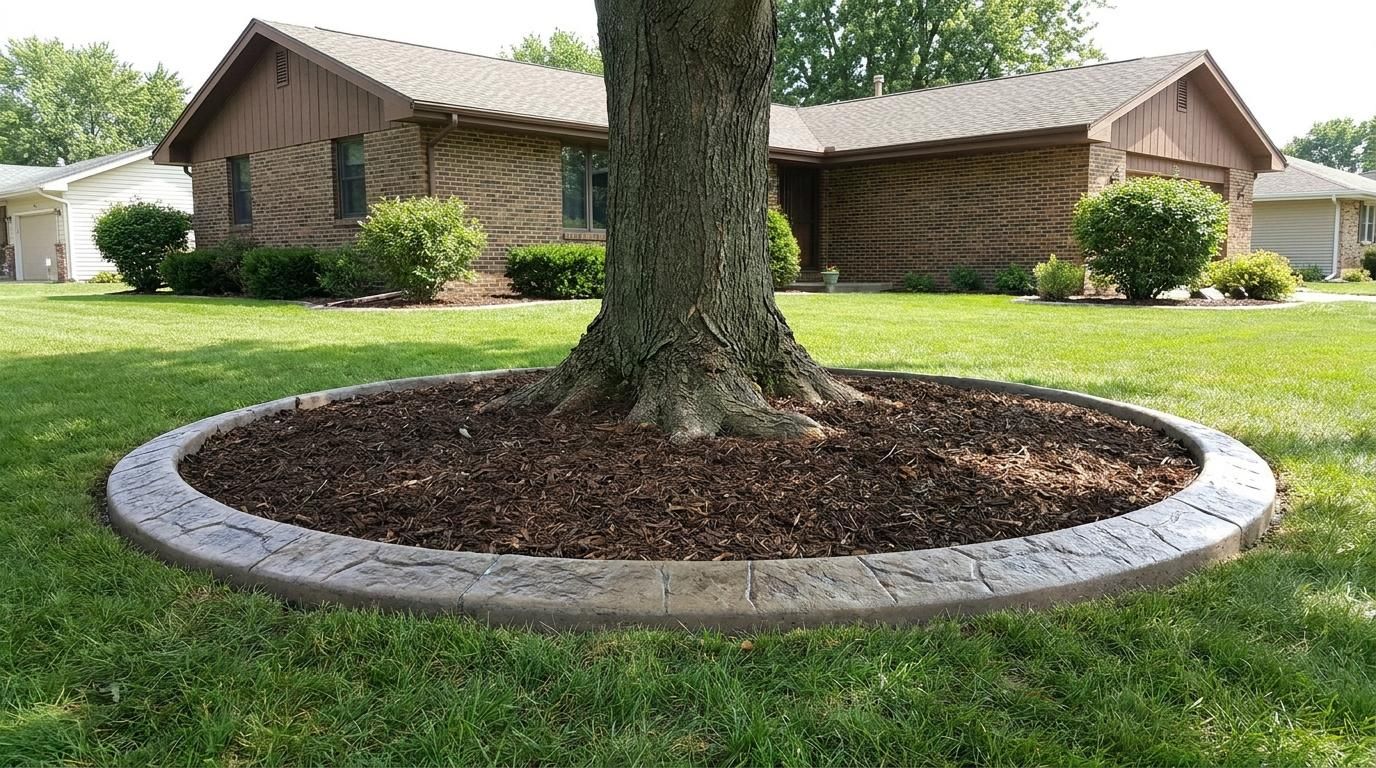
Penetrating silane or siloxane sealers work well on flat concrete like driveways, but they don't bring out the color in stamped patterns the way a film-forming sealer does. For curbing with integral color and accent release colors, a poly sealer preserves the two-tone look that makes the concrete resemble natural stone.
Acrylic Sealers to Avoid
Avoid basic acrylic sealers on outdoor curbing in Wisconsin. They break down faster under UV and lose adhesion after just one or two freeze-thaw seasons, leaving the surface exposed when it needs protection most.
Frequently Asked Questions
Can you seal concrete curbing yourself?
You can, but timing and product selection matter. Apply a poly sealer on a dry day above 50°F with no rain expected for 24 hours. Use a low-pressure sprayer or a roller designed for concrete surfaces. Over-applying creates a slippery film that peels, so follow the manufacturer's coverage rate closely.
How can you tell when curbing needs resealing?
Splash water on the surface. If it soaks in and darkens rather than beading up, the sealer has worn through and moisture is reaching the concrete pores. Other signs include dull or faded color in stamped patterns, a chalky white residue that appears after rain, and visible surface wear along high-contact edges. Reseal before the next freeze-thaw season begins.
Does sealing change the color of concrete curbing?
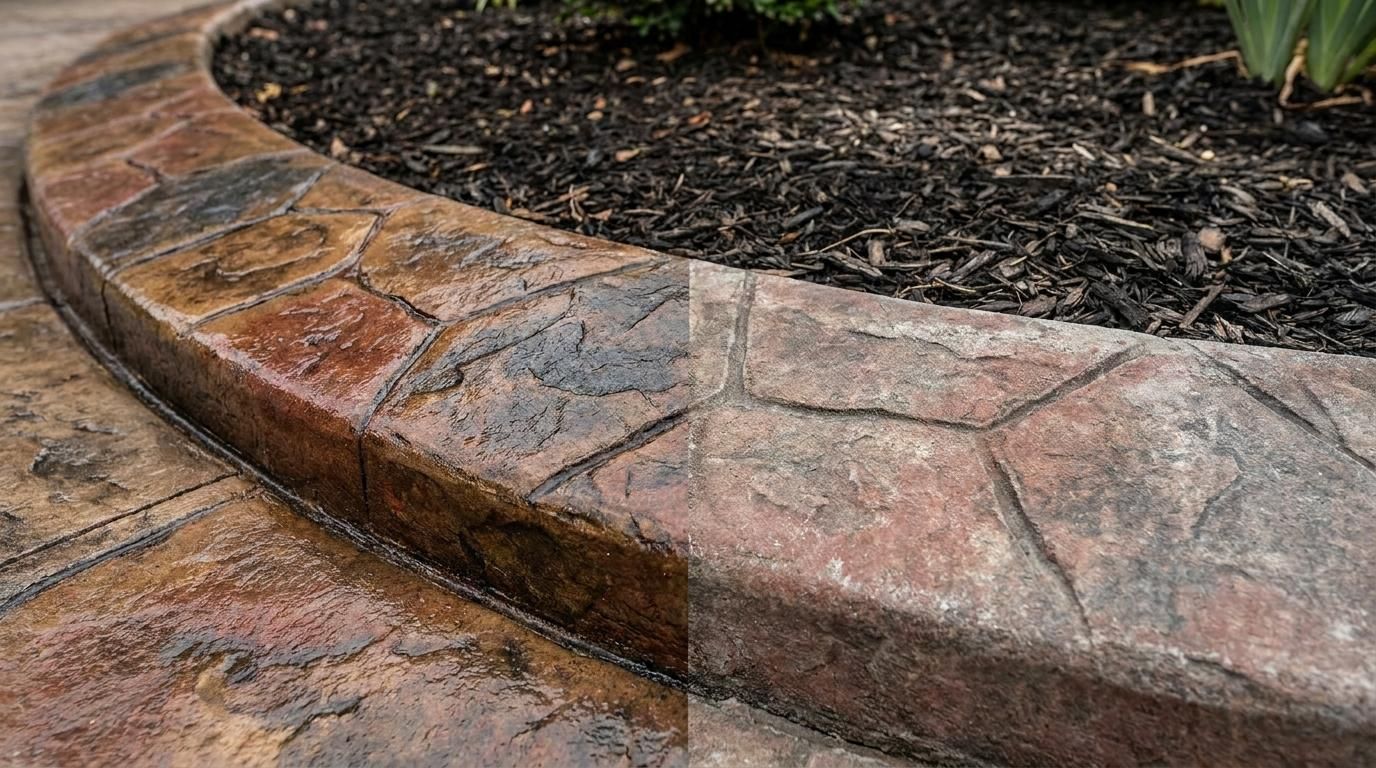
A poly sealer darkens and enriches the color slightly, similar to how a wet stone looks more vivid than a dry one. This effect enhances stamped patterns and makes the accent release colors more visible. The sheen fades gradually over two years as the sealer wears, which signals it's time to reapply.
Keep Your Curbing Sealed on Schedule
Sealing determines whether concrete curbing lasts closer to 10 years or 20 in Wisconsin's freeze-thaw climate. The schedule is straightforward: first coat within a week of installation, second coat the same season, then every two years going forward. Miss that rhythm and moisture damage begins compounding.
Contact Elite Landscape Curbing at (715) 204-4727 or request a free quote online to schedule a sealing visit or discuss a new curbing installation. Every project comes with a 2-year workmanship warranty and a detailed follow-up packet with written care instructions.