
How Long Does Concrete Curbing Last in Wisconsin's Freeze-Thaw Climate?

Seth Pajtash • May 18, 2026

How long does concrete curbing last in Wisconsin? With proper installation and regular sealing, concrete landscape curbing typically holds up for 15 to 20 years or more in the state's demanding freeze-thaw climate. The actual number depends on the concrete mix, installation quality, and how consistently the surface is resealed.

Most homeowners assume landscape edging wears out at the same rate regardless of material. Plastic borders crack within three to five Wisconsin winters, and steel corrodes once its galvanized coating fails. Elite Landscape Curbing installs continuous concrete borders across central and northern Wisconsin built for freeze-thaw conditions, backed by a 2-year workmanship warranty.

What Affects Concrete Curbing's Lifespan in Cold Climates?

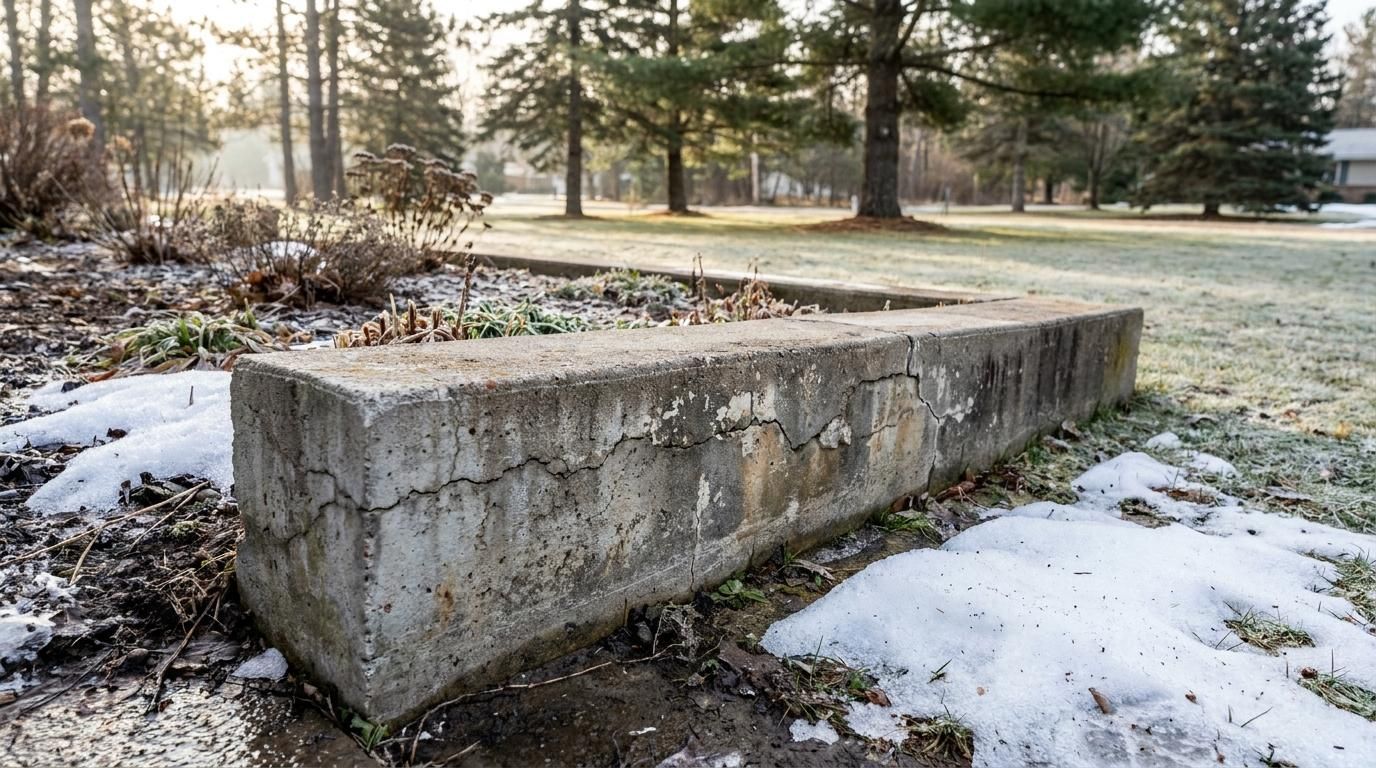
Northern Wisconsin's frost penetrates 40 to 60 inches deep in the coldest months. That puts enormous pressure on anything installed at or near ground level. Three factors determine whether curbing survives decades of that stress.

Concrete Mix

Air-entrained concrete contains microscopic bubbles that absorb expansion pressure when water inside the pores freezes. Without proper air entrainment, water expands roughly 9% as it turns to ice, widening hairline cracks with every cycle until the surface spalls.

Expansion Joints

Properly spaced joints flex with the soil instead of forcing the curb to crack under pressure. This is especially important in Lincoln County and Marathon County, where clay-heavy soils amplify frost heave. From Wausau to Rhinelander , Elite Landscape Curbing installs curbing with joint spacing and concrete mixes calibrated to each area's specific frost depth and soil conditions.

Sealer Application

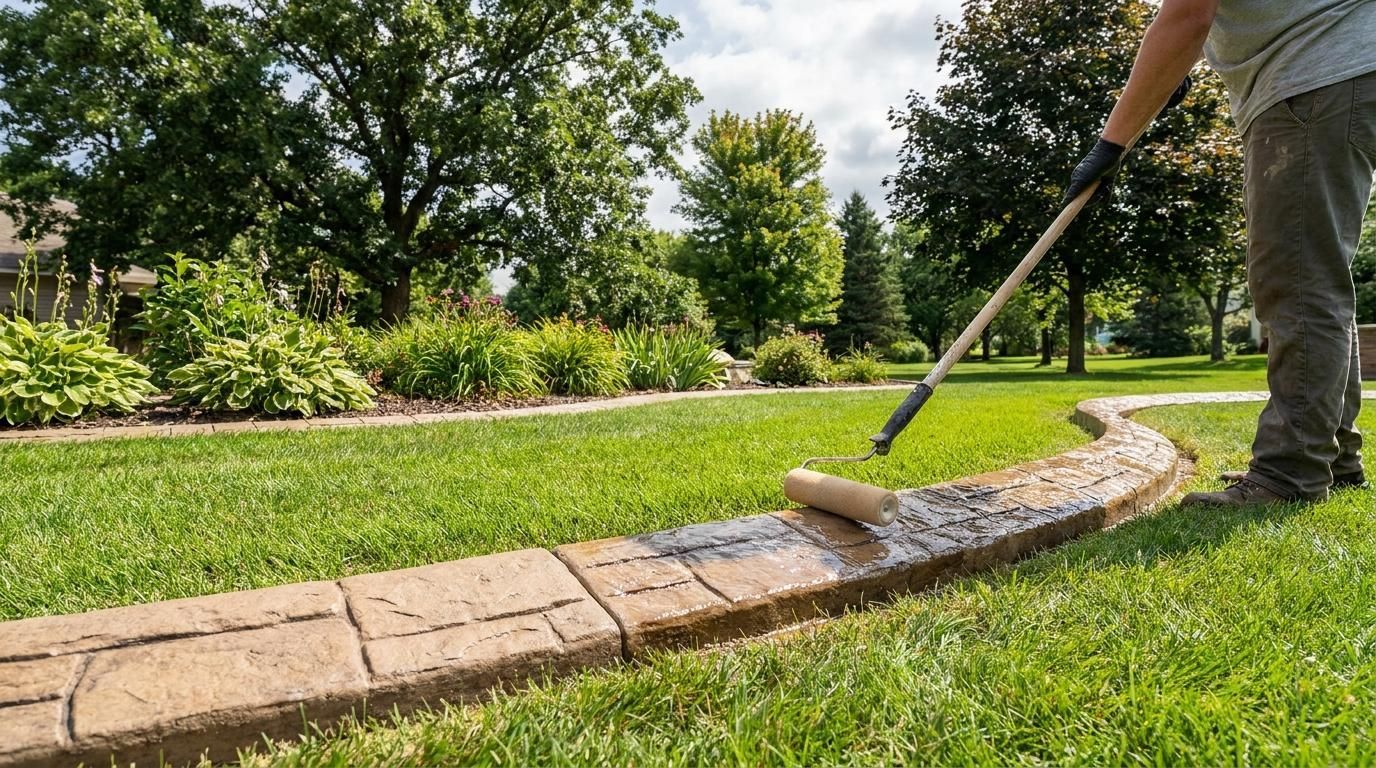
A poly sealer applied every two years keeps moisture from saturating the surface. Sealing creates a water-resistant barrier that prevents the freeze-thaw damage cycle from starting in the first place.

How Concrete Stacks Up Against Other Edging Materials

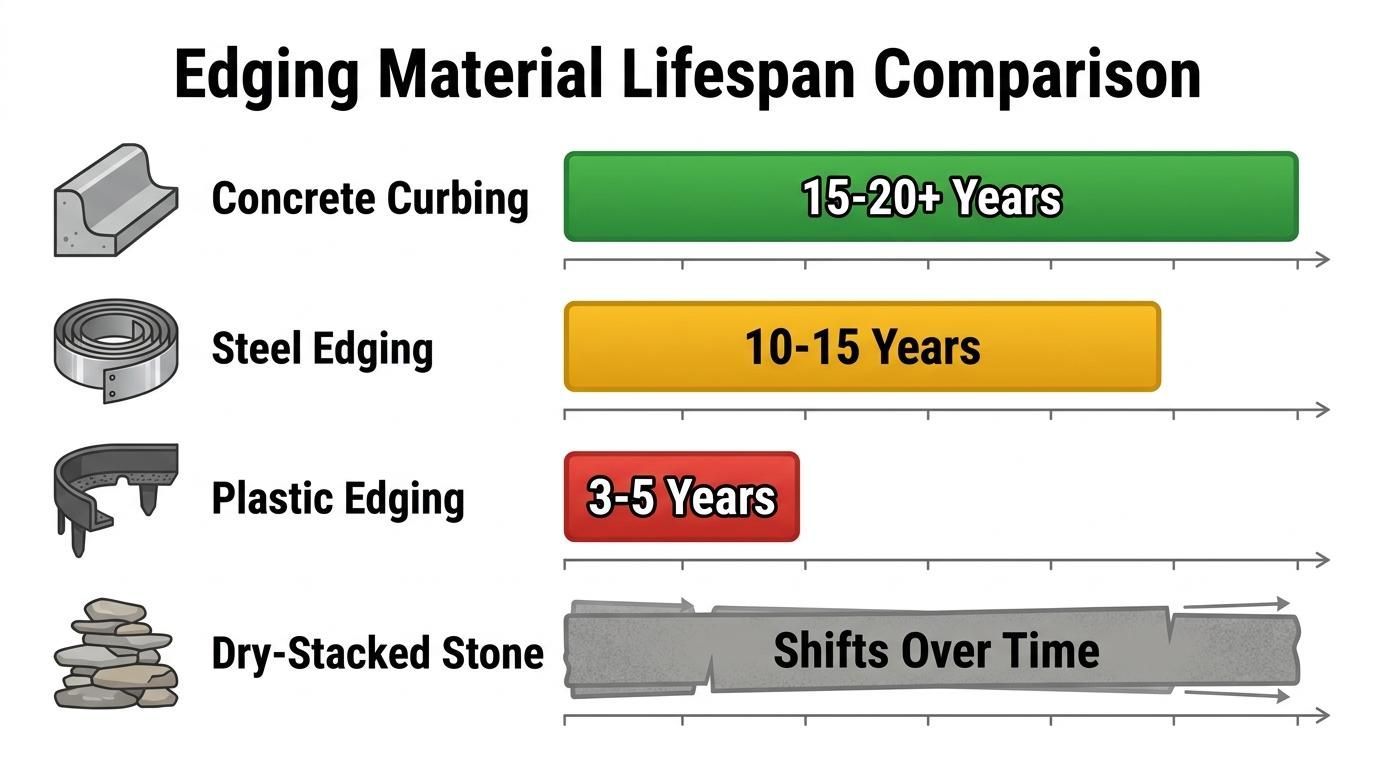
Not all edging survives a Wisconsin winter equally. Here's how the most common options compare over time:

  • Concrete curbing: 15 to 20+ years with professional installation and resealing every two years. One-time install with no annual replacement.
  • Plastic edging: three to five years before cracking, warping, or popping out of the ground during freeze-thaw cycles. Requires replacement every few seasons.
  • Steel edging: 10 to 15 years for standard galvanized steel, but corrodes faster in consistently wet soil and can heave during deep frost events.
  • Natural stone: lasts decades when mortared in place, but dry-stacked stone shifts and separates over Wisconsin winters, creating gaps where weeds establish.

 Concrete landscaping is the only option that creates a seamless, continuous border with no joints where grass or weeds push through. That characteristic alone eliminates the annual weeding and edging maintenance other materials require.

How to Get the Full 15-20 Years From Your Curbing

Concrete curbing doesn't fail overnight. Small issues compound when they're ignored across multiple freeze-thaw seasons.

 Reseal the surface every two years with a poly sealer. This blocks moisture from penetrating the concrete pores, which is the primary driver of spalling and surface flaking in cold climates. Elite Landscape Curbing returns to reseal client projects on a regular schedule as part of its ongoing care program.

 Keep soil and mulch graded below the top edge of the curb. When material builds up against the concrete, water wicks into the surface and sits there through freeze events.

 Address hairline cracks early. A crack that's cosmetic in June becomes structural after water enters it and expands through repeated freeze-thaw cycles over a Wisconsin winter. Elite Landscape Curbing's article on repairing a concrete curb explains when a repair is sufficient and when replacement makes more sense.

Frequently Asked Questions

Does concrete curbing crack in Wisconsin winters?

Hairline surface cracks can develop over time, especially in northern Wisconsin's harsh freeze-thaw climate. They don't necessarily mean the curbing has failed. Sealing every two years prevents moisture from entering those cracks and widening them. If cracks exceed a quarter inch or the curbing has physically shifted, schedule a professional inspection to determine whether repair or section replacement is needed.

Is concrete curbing worth the cost compared to plastic edging?

Over a 15-year window, concrete curbing typically costs less than buying and installing plastic edging three or four times. Plastic runs a few dollars per foot but rarely survives more than five years in Wisconsin before cracking or shifting out of position. Concrete is a one-time installation backed by Elite Landscape Curbing's 2-year workmanship warranty and a consistent resealing program.

How often does concrete curbing need maintenance?

Reseal the surface every two years and rinse it occasionally with a garden hose. That covers the full maintenance list. There are no stakes to re-anchor, no sections to replace each spring, and no seasonal removal or storage. The curbing stays in place year-round through snow, ice, and summer heat.

Built for Northern Wisconsin, Backed by a Warranty

Concrete curbing outlasts every common edging alternative in Wisconsin's climate when the installation is done right and the surface stays sealed. The 15- to 20-year lifespan starts with air-entrained concrete, properly spaced expansion joints, and a poly sealer applied on schedule.

Contact Elite Landscape Curbing at (715) 204-4727 or request a free quote online for curbing built to last throughout our northern Wisconsin winters. Every installation includes a 2-year workmanship warranty and a follow-up care packet with maintenance instructions.

By Seth Pajtash May 28, 2026
Explore 80+ concrete curbing colors from Elite Landscape Curbing. Integral pigments and release accents for Wisconsin homes, businesses, and lake properties.
By Seth Pajtash May 25, 2026
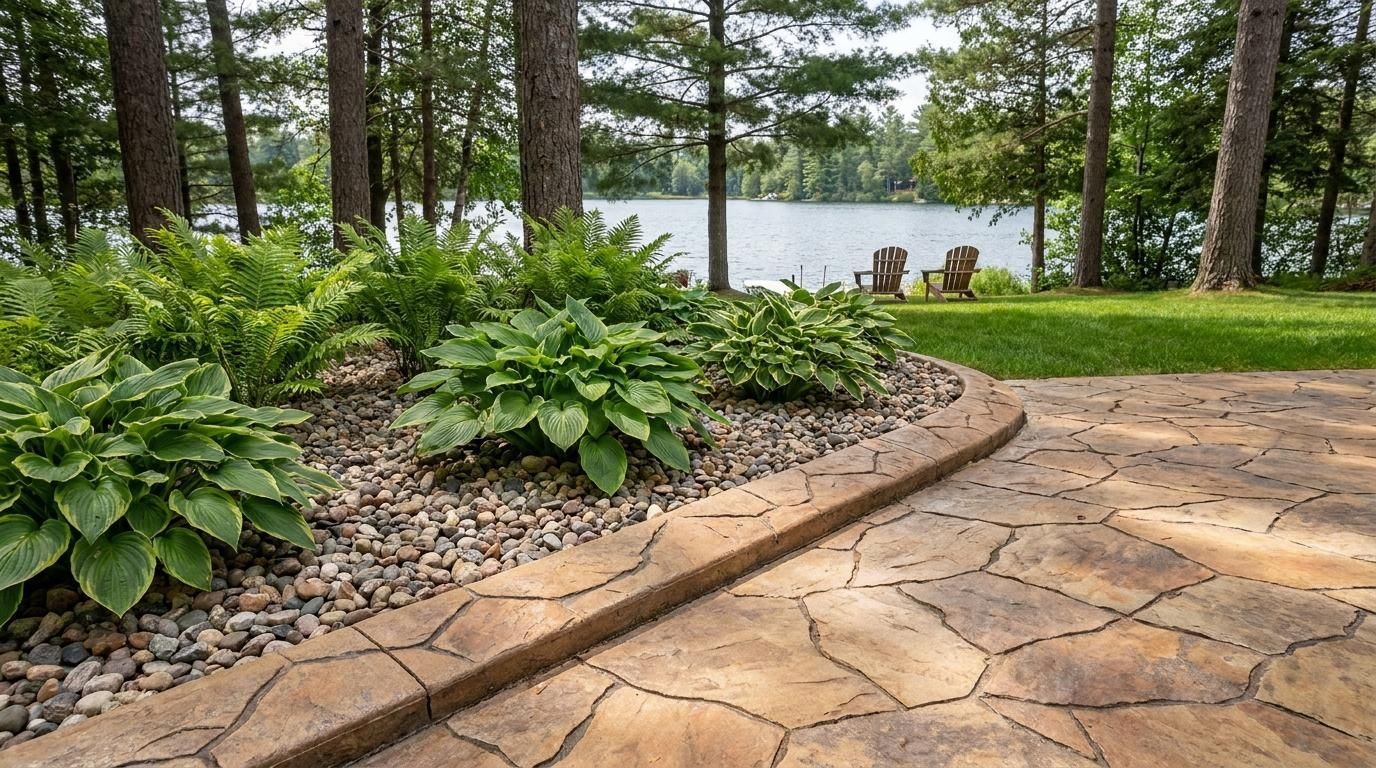
Explore landscape edging ideas for Wisconsin lake houses. Concrete curbing in stone & wood-grain patterns survives freeze-thaw winters & fits local aesthetics.
By Seth Pajtash May 21, 2026
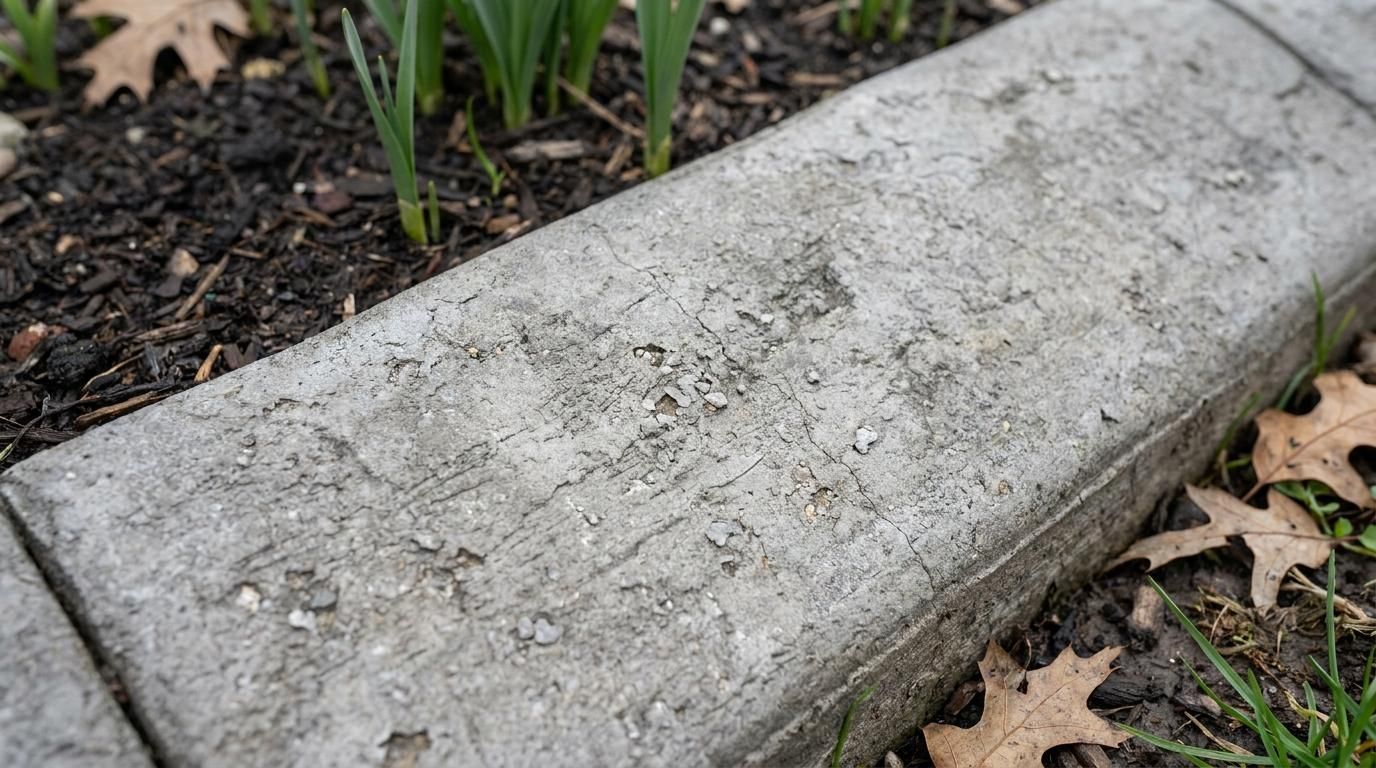
Learn when and how to seal concrete curbing in Wisconsin. Seasonal timing, sealer types, and a care schedule to protect your investment from freeze-thaw damage.
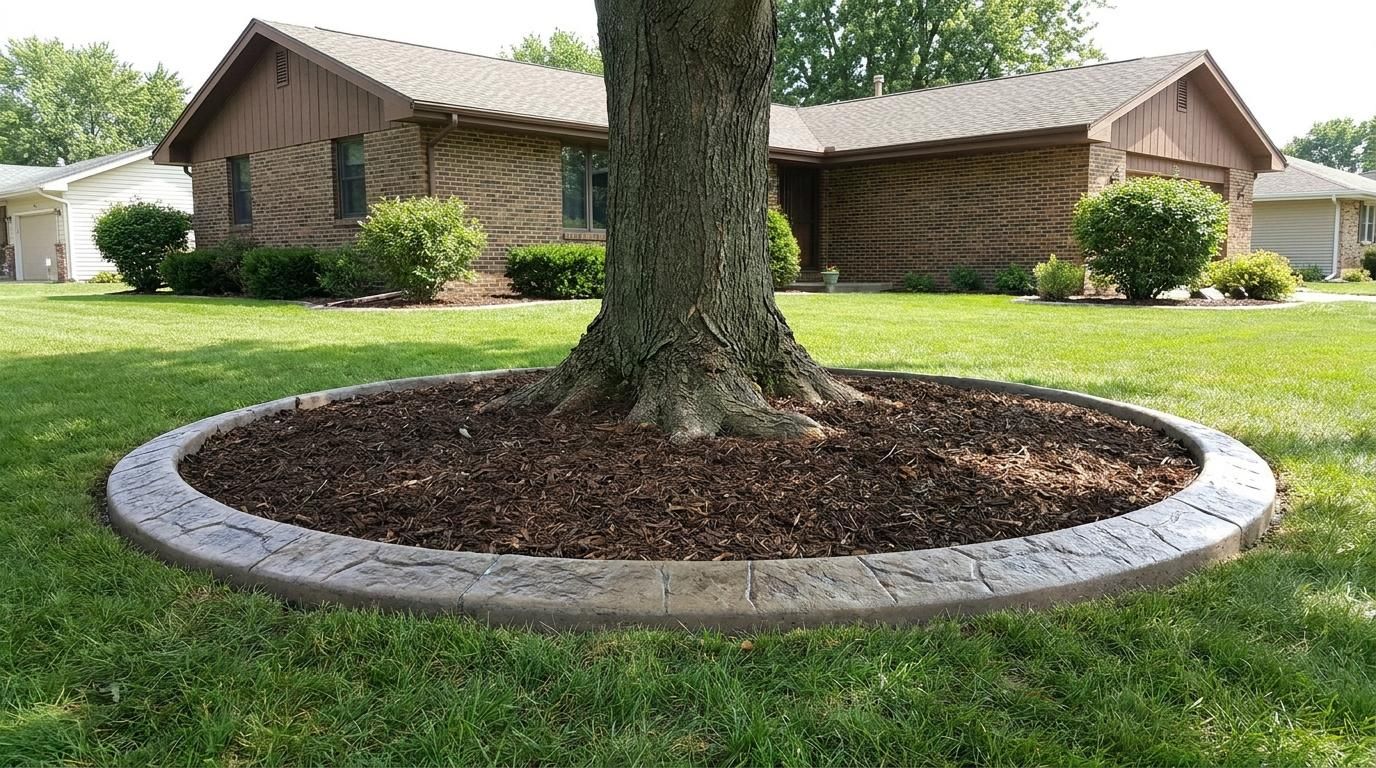
By Seth Pajtash May 15, 2026
Learn how to install concrete curbing around trees in Wisconsin. These five tips cover spacing, stamp patterns, drainage, & root protection for lasting results.
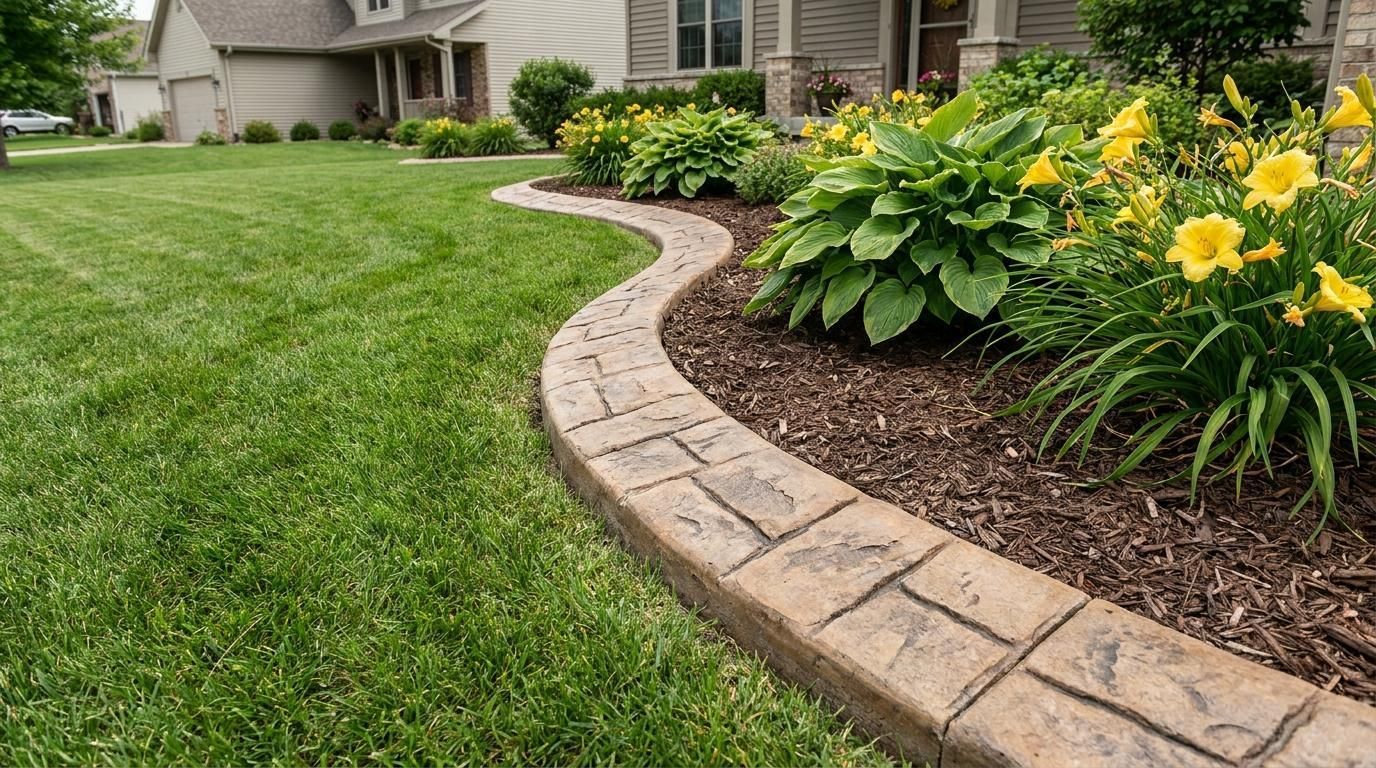
By Seth Pajtash May 10, 2026
Explore 5 concrete border styles for garden beds built for Wisconsin weather. From flagstone to wood grain, find patterns that last 15 to 20 years.
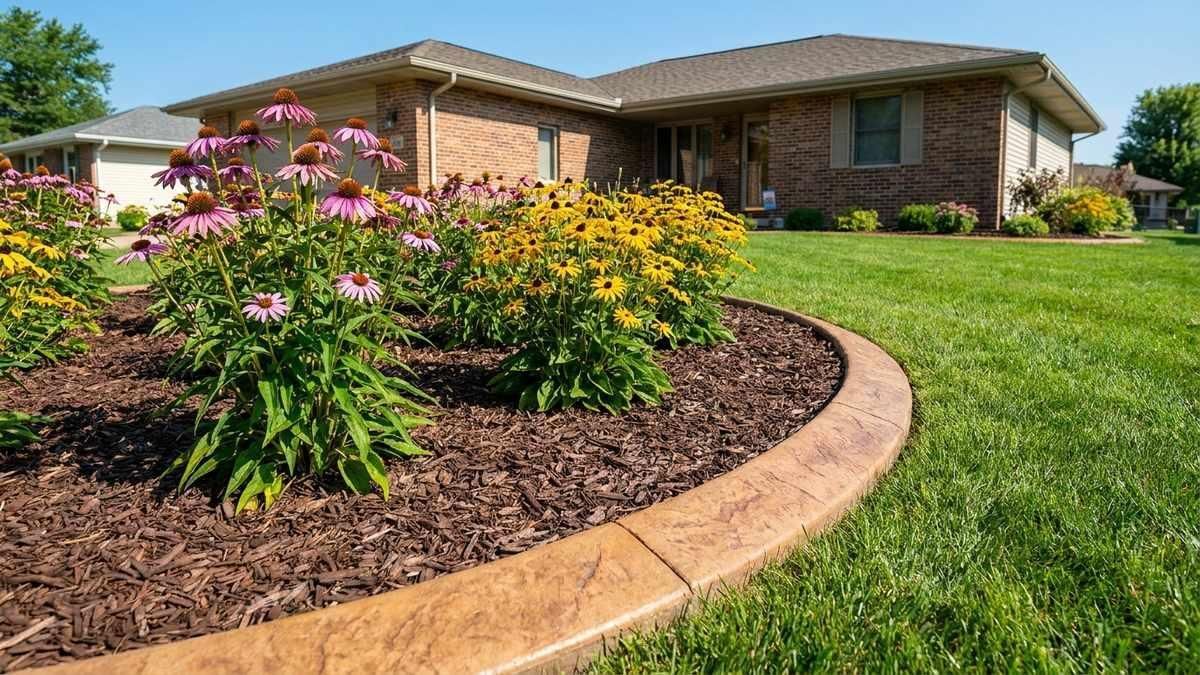
By Seth Pajtash May 6, 2026
These Wisconsin native plants thrive inside concrete curbing beds. From coneflowers to little bluestem, these pairings reduce maintenance & add seasonal color.
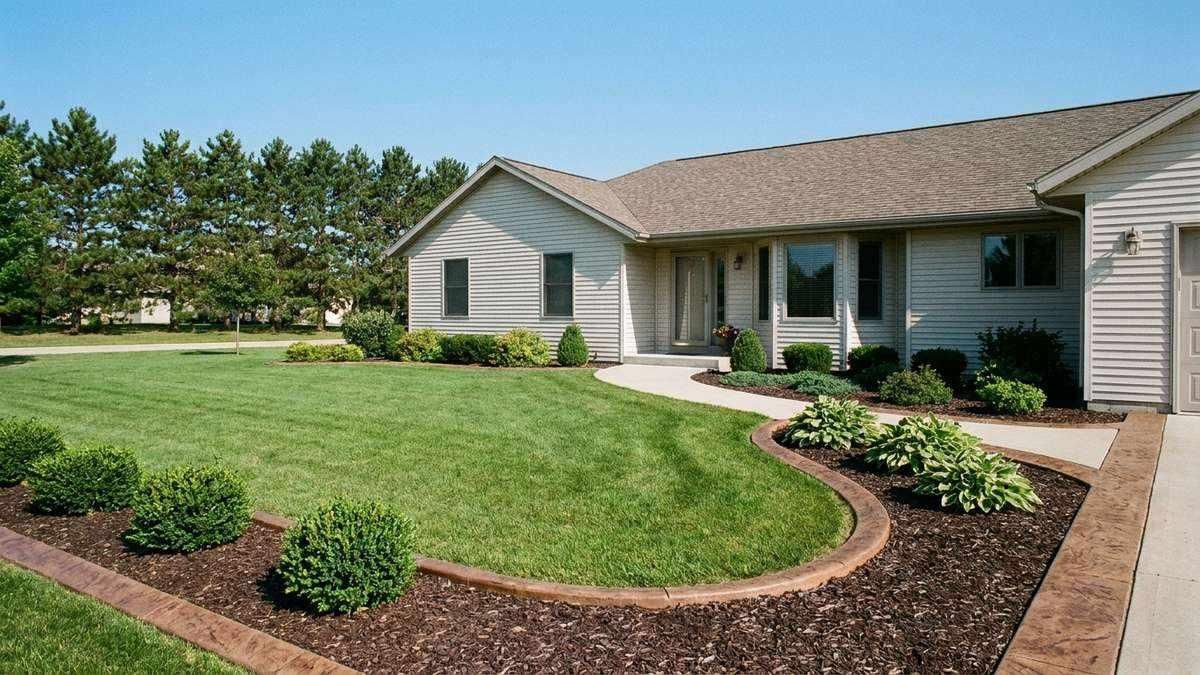
By Seth Pajtash May 2, 2026
Hardscaping refers to the non-living elements of your landscape. Learn what counts, how concrete curbing fits, and why it matters for Wisconsin yards.
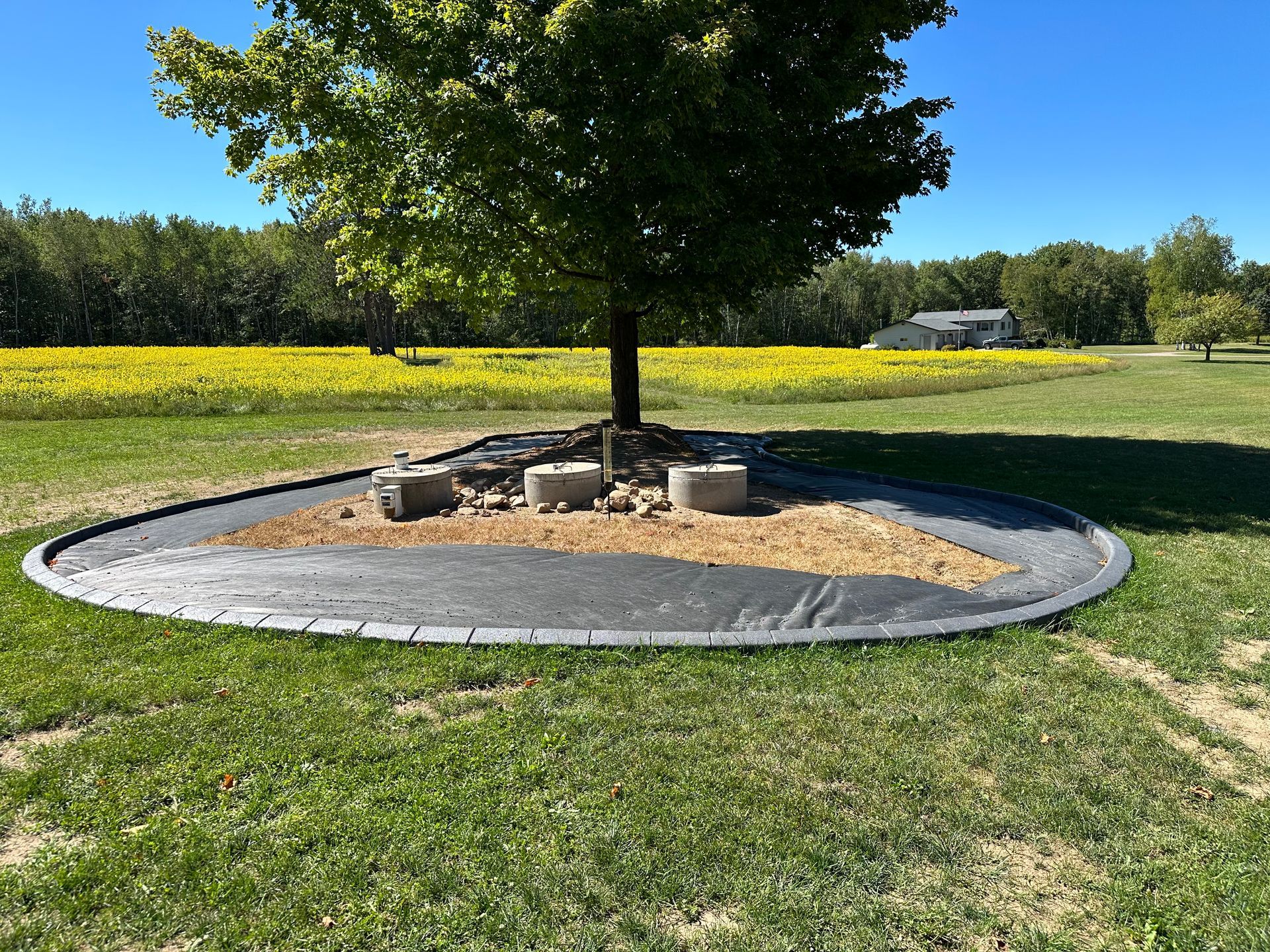
Young tree in a circular mulch bed with rocks, surrounded by grass in a sunny field
By Seth Pajtash April 29, 2026
Explore landscape border ideas for Central Wisconsin and Northwoods homes. Discover stone textures, color accents, and creative layouts built to last.
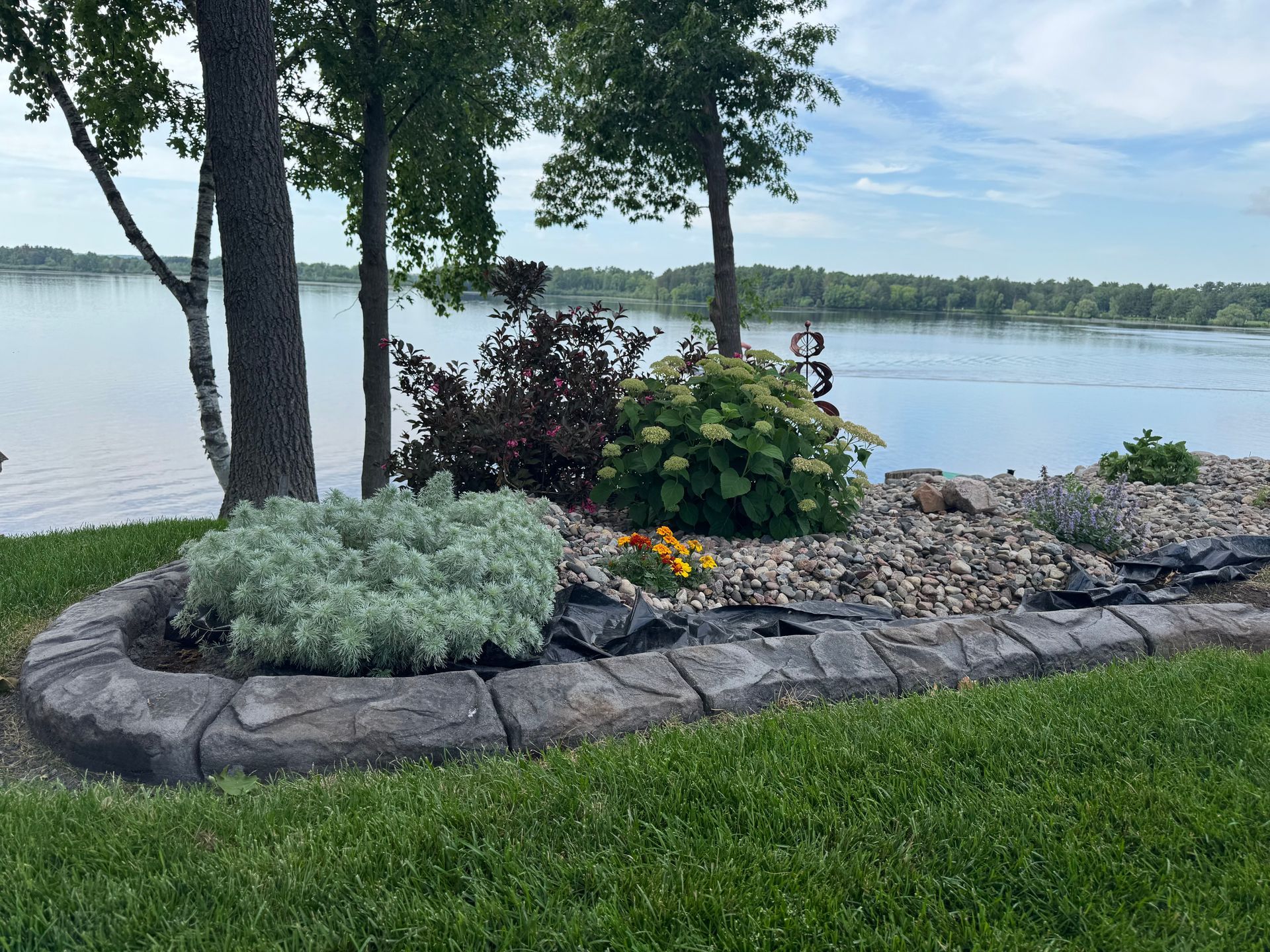
Landscaped lakeside garden with shrubs, flowers, stone edging, and trees overlooking calm water
By Seth Pajtash April 22, 2026
Explore concrete curbing ideas from rustic stone to clean-line brick patterns. See which styles are elevating Wisconsin landscapes in 2026.
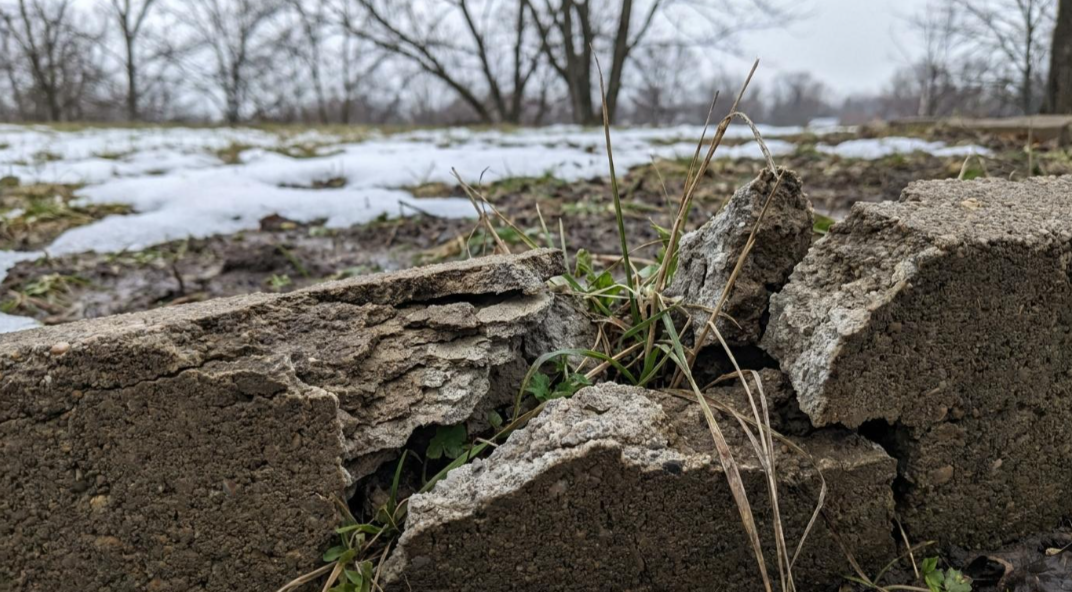
Cracked concrete slab with grass sprouting through, snowy field and bare trees in the background
By Seth Pajtash April 15, 2026
Thinking about DIY concrete landscape curbing? Compare the real costs, tools, and results of doing it yourself vs. hiring a pro in Wisconsin.

Show More