What Is Hardscaping? A Wisconsin Homeowner's Guide to Concrete Curbing and More
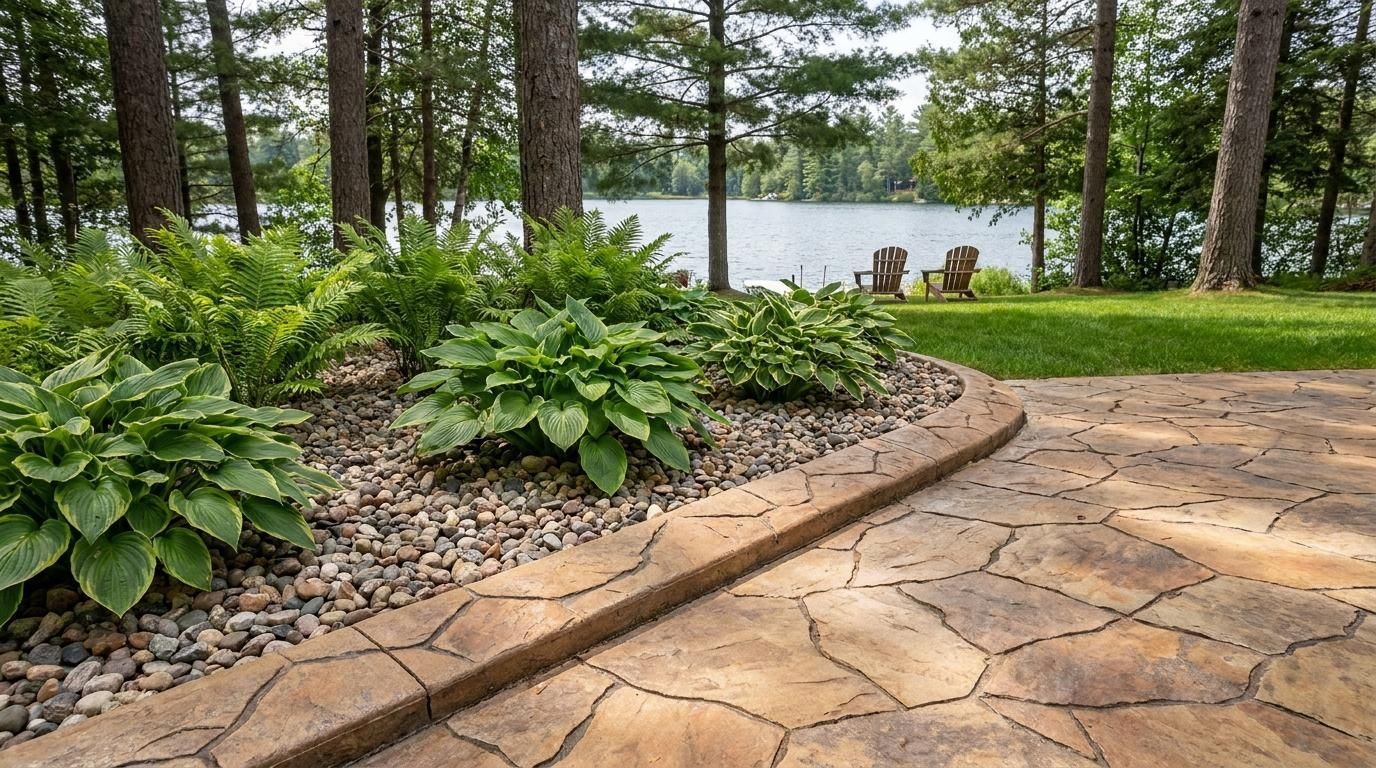
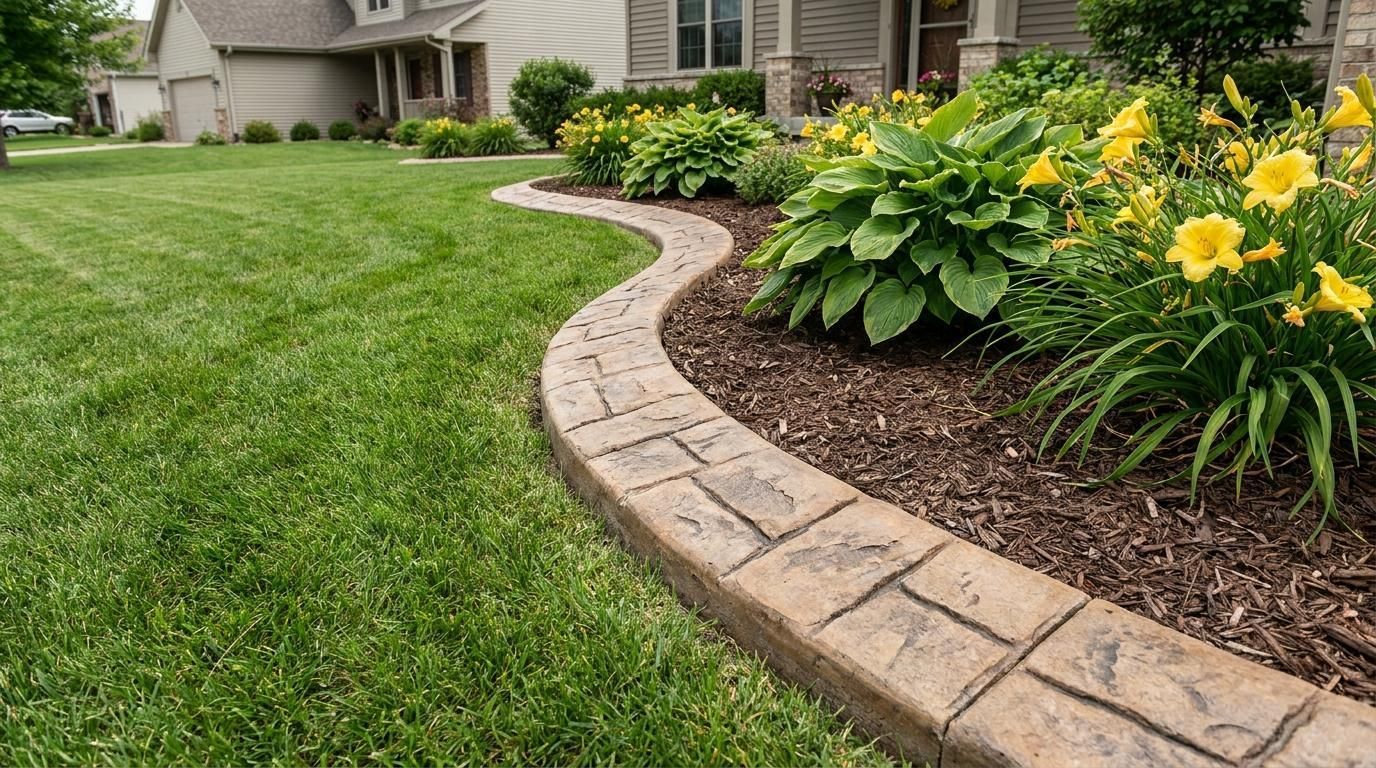
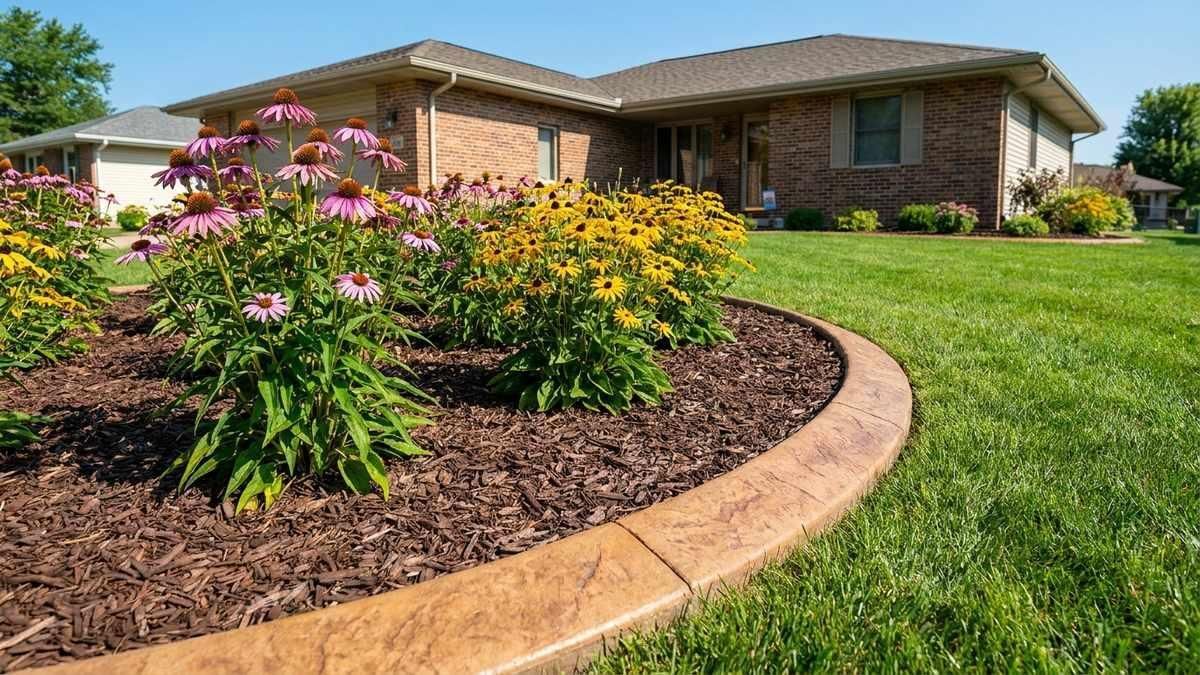
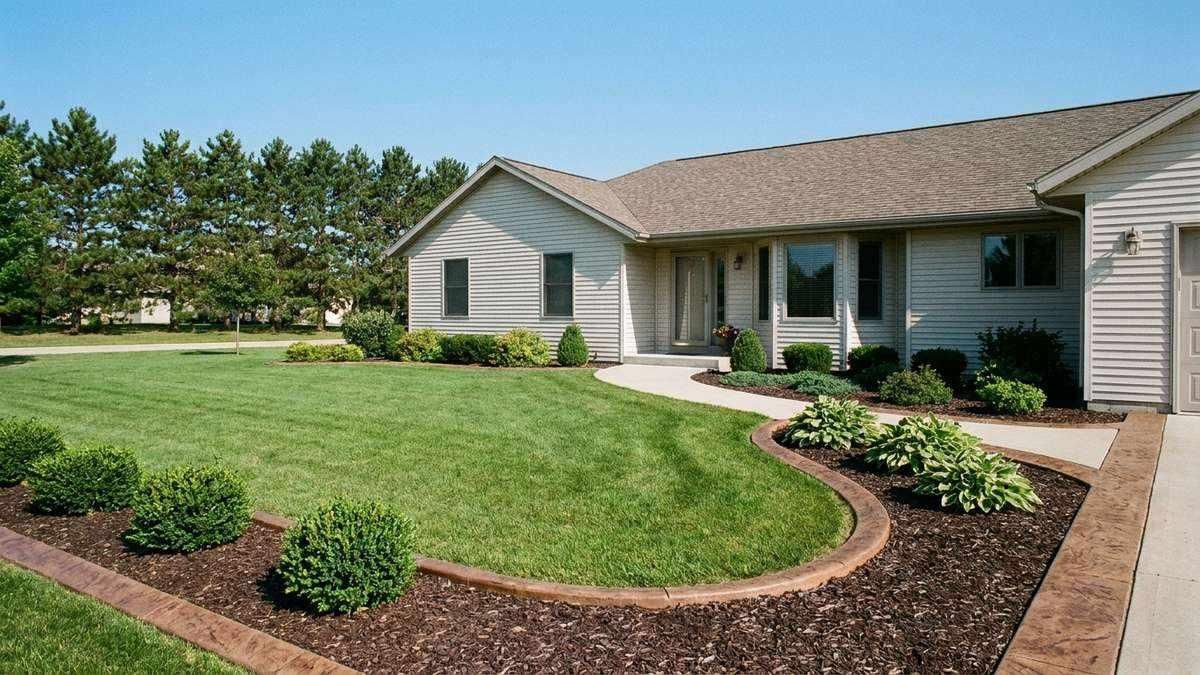
Hardscaping refers to the non-living, structural elements of a landscape: patios, walkways, retaining walls, and concrete curbing. These features form the permanent framework of your outdoor space and protect softer elements like flower beds and lawns. Most homeowners hear "hardscaping" and picture a full patio build or retaining wall project. What they overlook is the border: continuous concrete curbing that holds mulch in place, blocks grass from spreading, and outlasts plastic edging by a decade or more in Wisconsin's freeze-thaw climate.
Elite Landscape Curbing installs decorative concrete curbing across central and northern Wisconsin, built specifically for the freeze-thaw cycling, frost heave, and seasonal snowmelt that crack standard edging within a few seasons. The sections below cover what counts as hardscaping in a residential landscape, where concrete curbing fits in a Wisconsin yard, and what makes it last 15 to 20 years throughout Northwoods winters.
What Counts as Hardscaping in a Residential Landscape
Hardscaping includes any built, non-living structure in your outdoor space. The most common residential examples include:
- Patios and walkways
- Retaining walls
- Driveways and parking pads
- Fire pits and outdoor fireplaces
- Pergolas and outdoor kitchens
- Concrete landscape curbing and edging
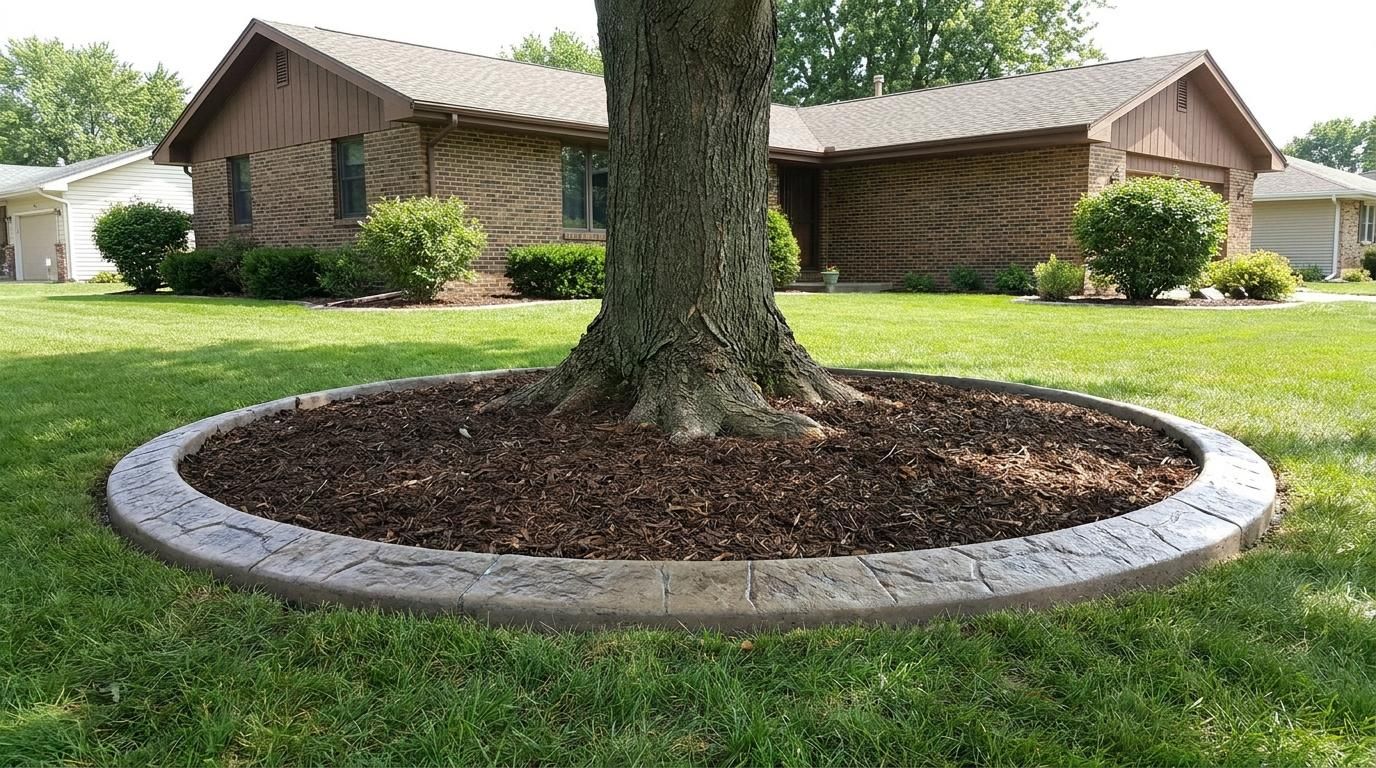
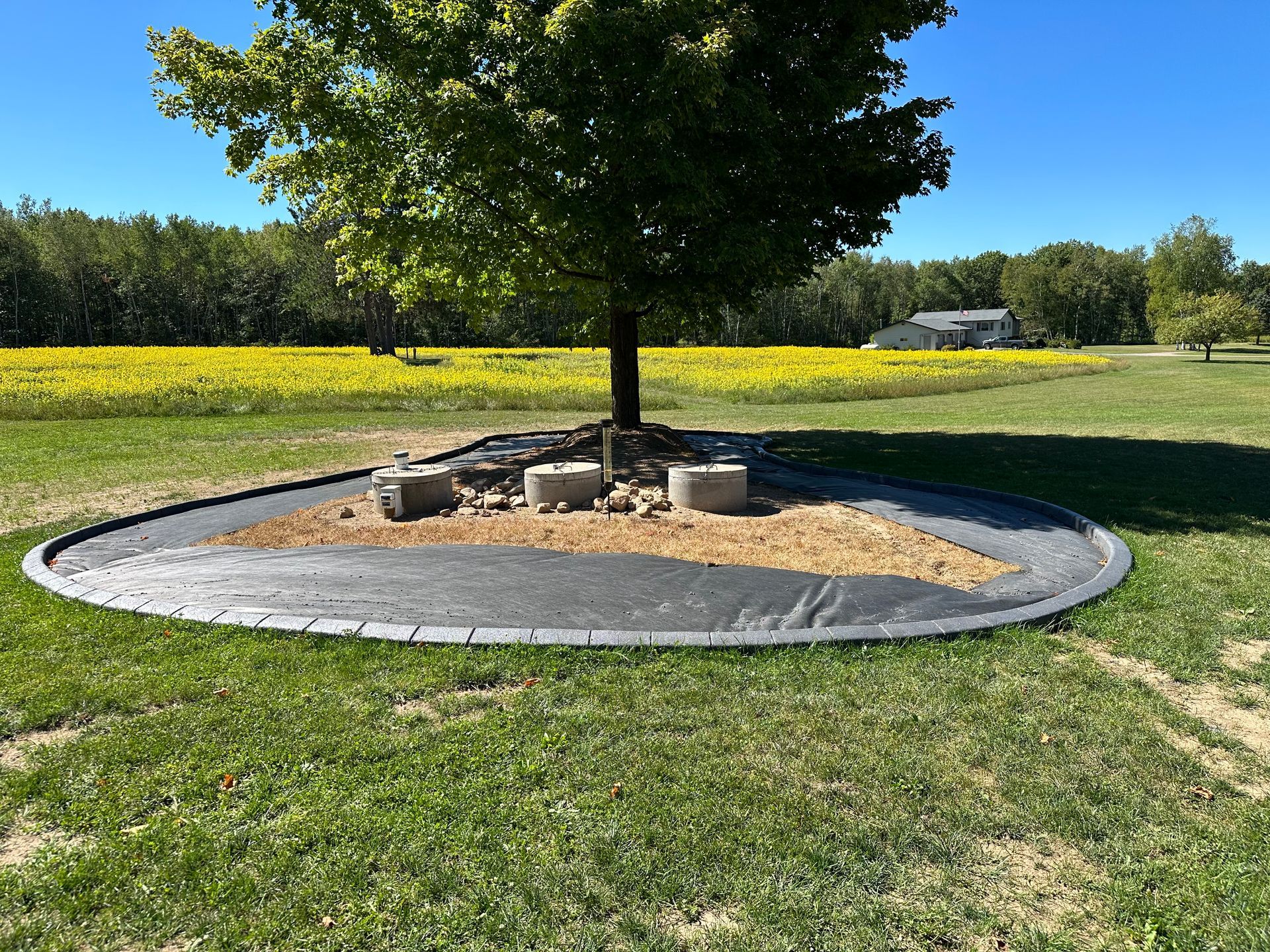
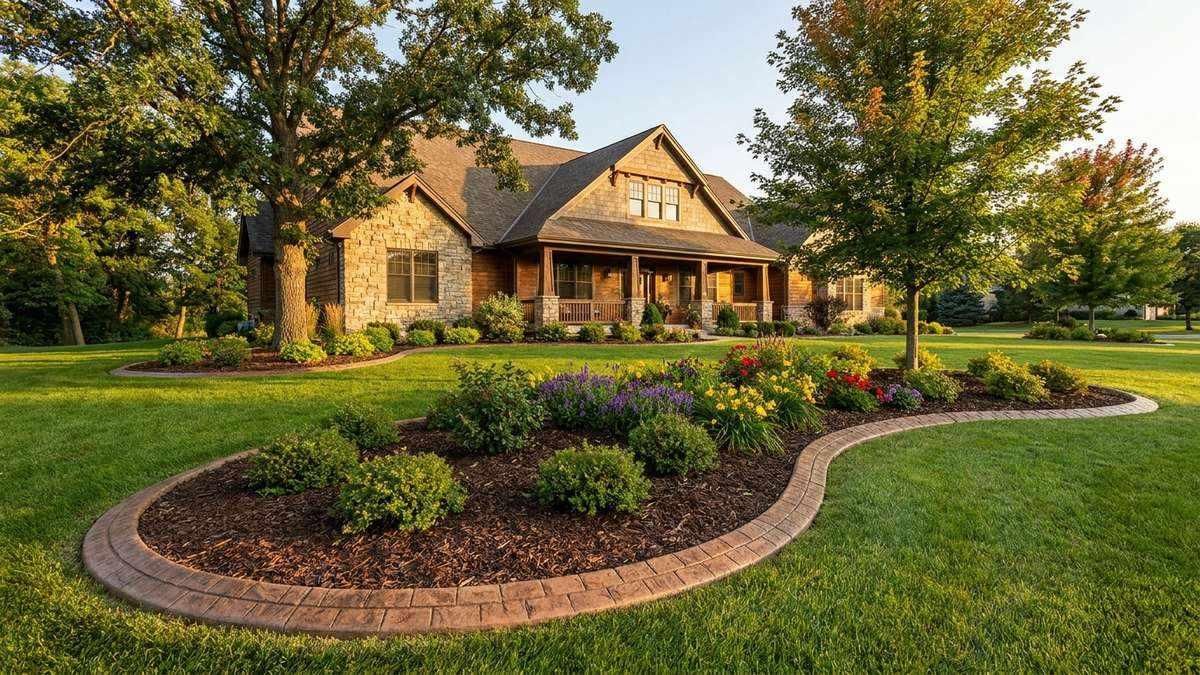
Each element is typically handled by a different type of contractor. Masons build retaining walls. Deck builders construct decks and pergolas. For concrete landscape curbing, a contractor uses a specialized extrusion machine to install continuous borders directly on the property, shaped to follow any curve, tree ring, or bed line without joints or seams.
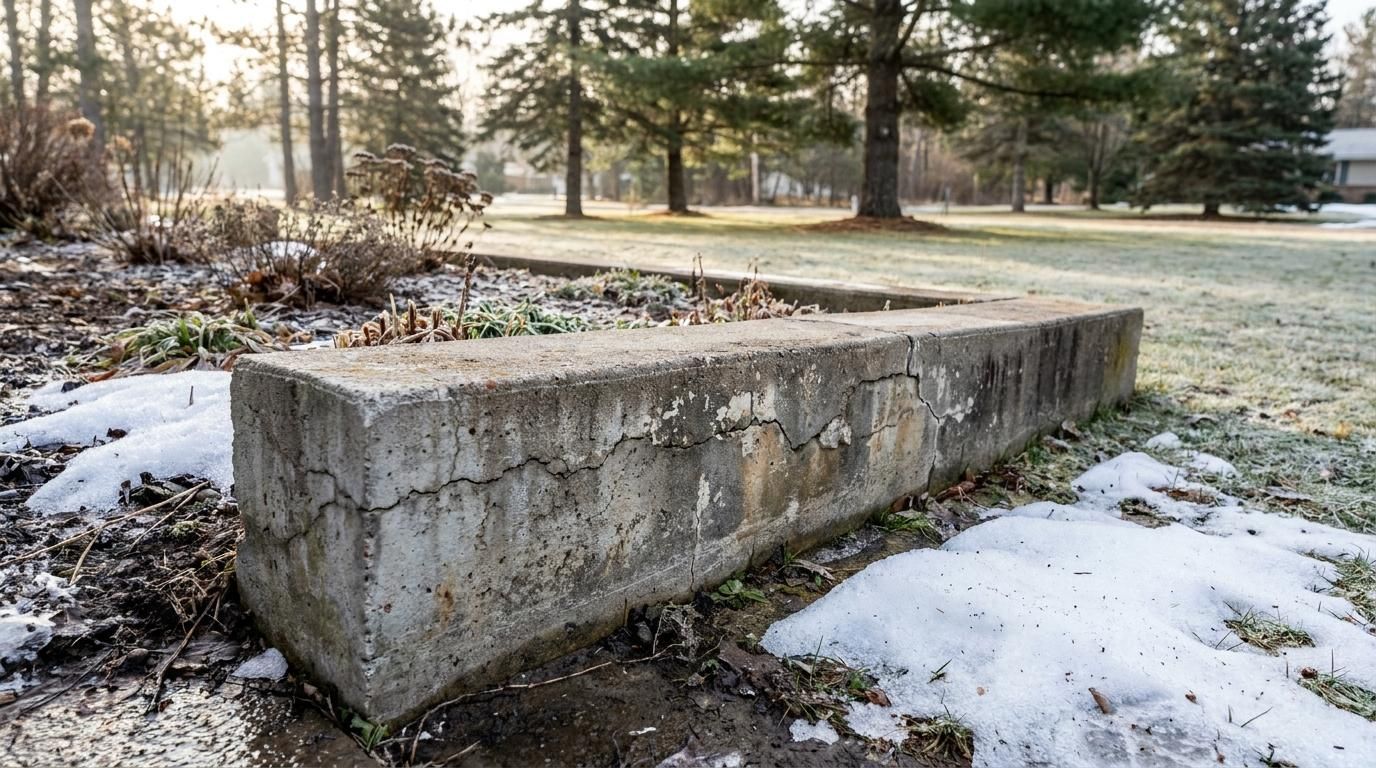
In Wisconsin, every hardscape element needs to survive freeze-thaw cycling, heavy snowmelt, and seasonal frost heave. Materials not built for these conditions crack, shift, or break down within a few winters. Softscaping is the living complement: grass, trees, shrubs, flowers, and the mulch or rock that fills garden beds between hardscape borders. Most finished landscapes rely on both to create a complete outdoor space.
Where Concrete Curbing Fits in a Wisconsin Hardscape
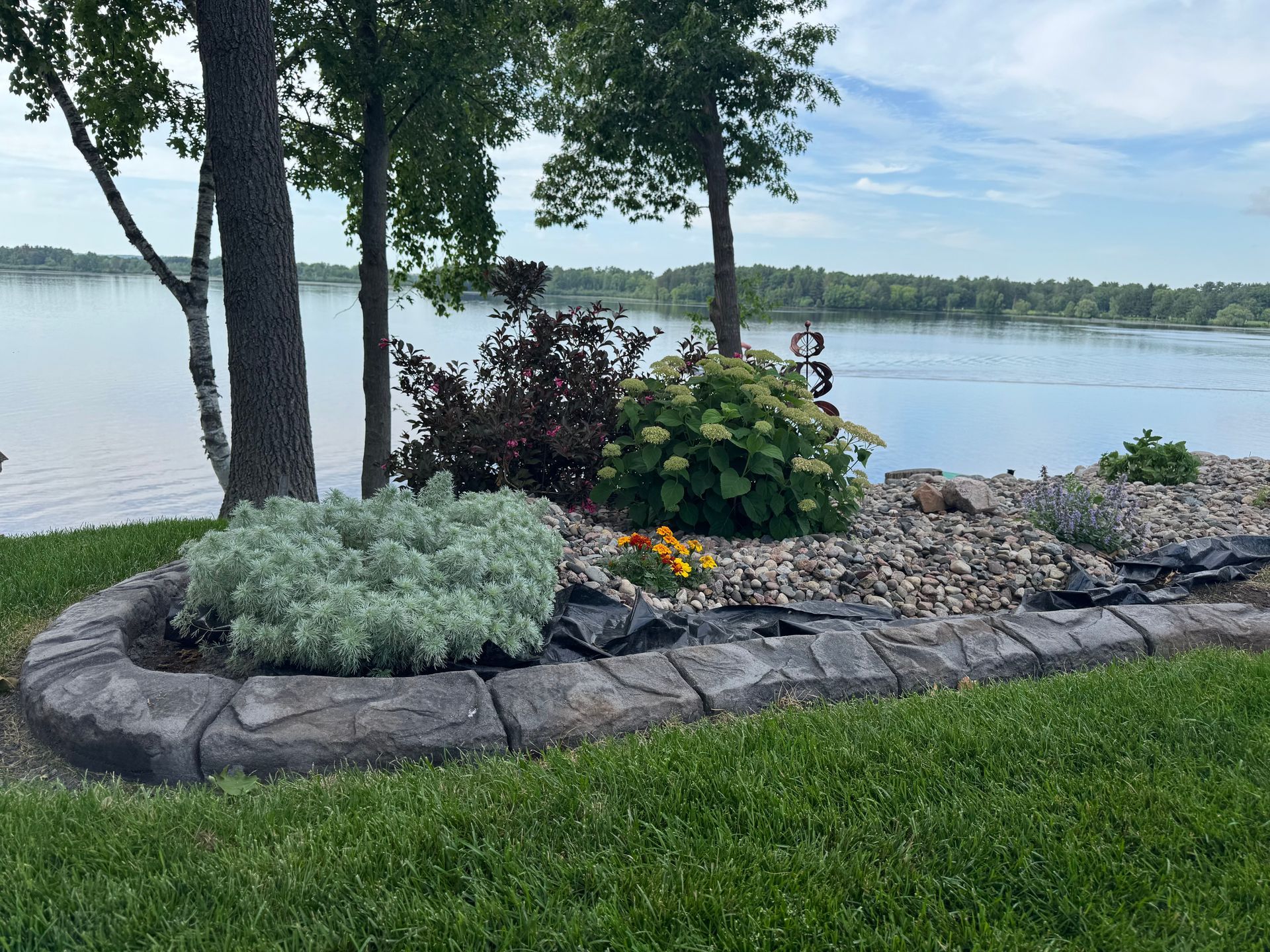
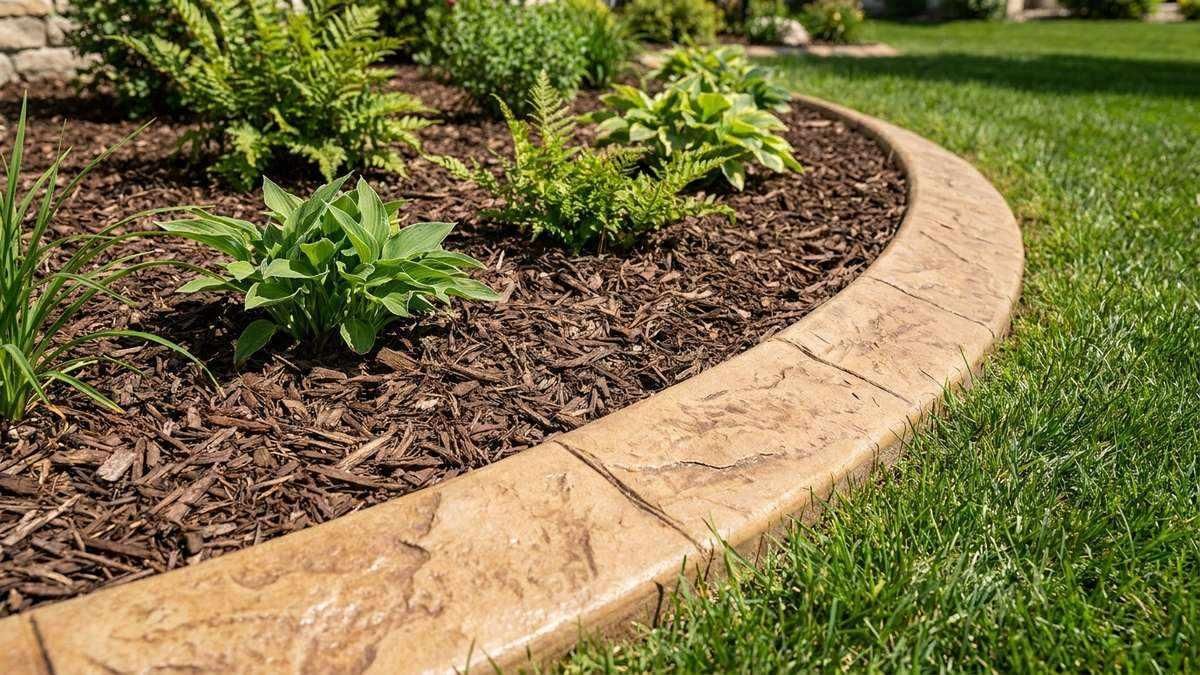
Concrete landscape curbing is one of the few hardscape elements that directly reduces yard maintenance. It holds mulch and rock inside garden beds, blocks grass from spreading into planted areas, and removes the need for seasonal hand-edging along bed perimeters.
Why Material Choice Matters in Wisconsin
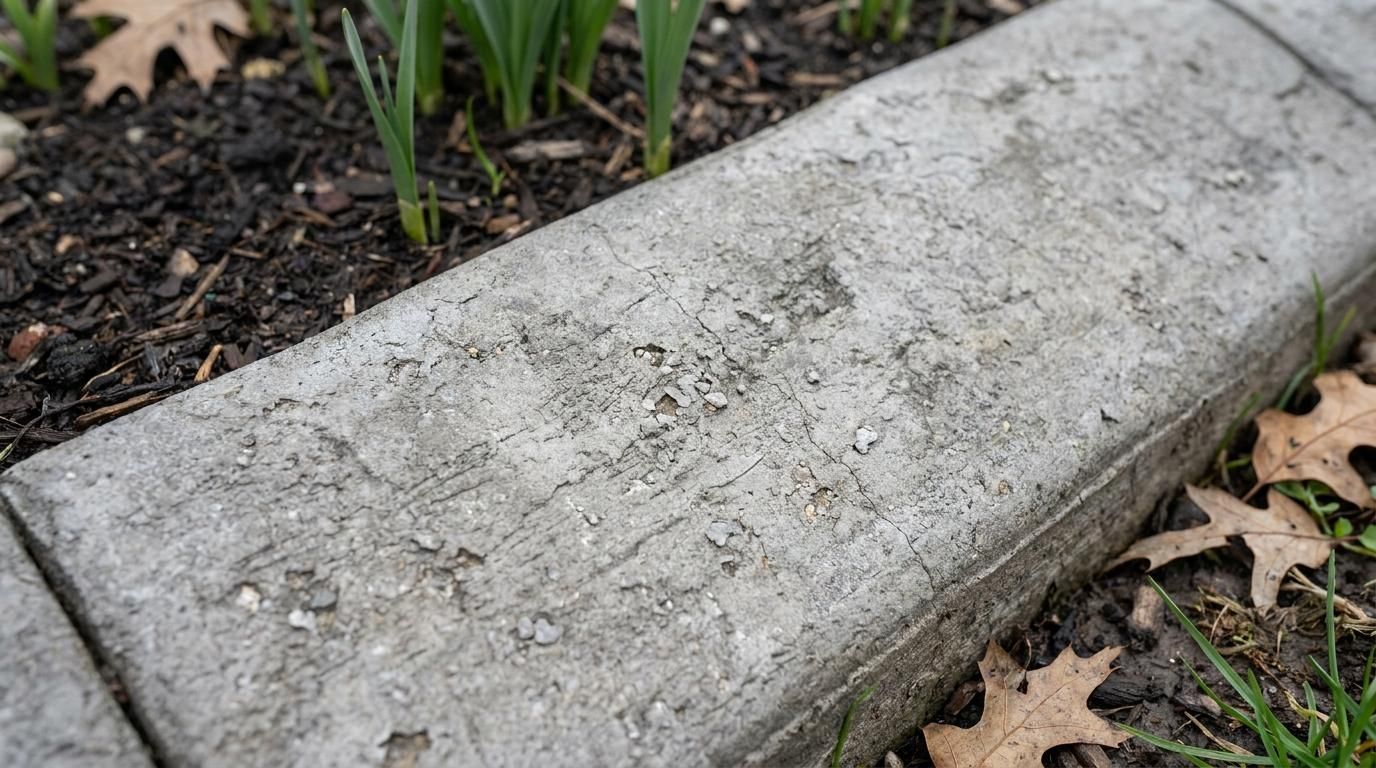
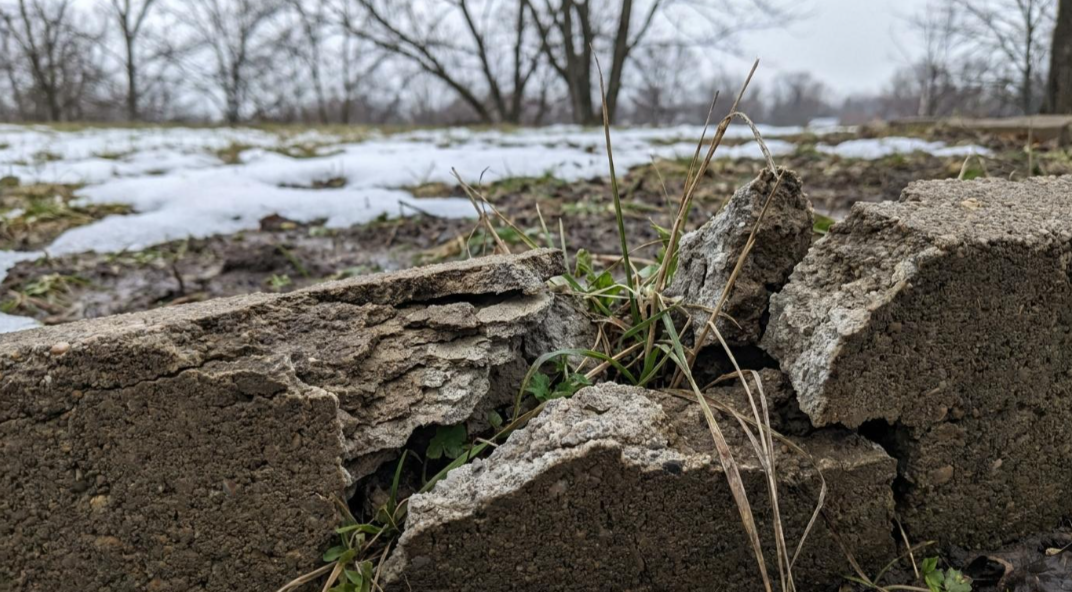
In northern Wisconsin, material durability separates the edging that lasts from the edging you replace every few years. Freeze-thaw cycles crack plastic within a few seasons. Metal shifts as frost heaves the soil each spring. Professionally installed concrete curbing, built with the right mix and expansion joints, lasts 15 to 20 years even in the Northwoods.
Design Range Built for the Region
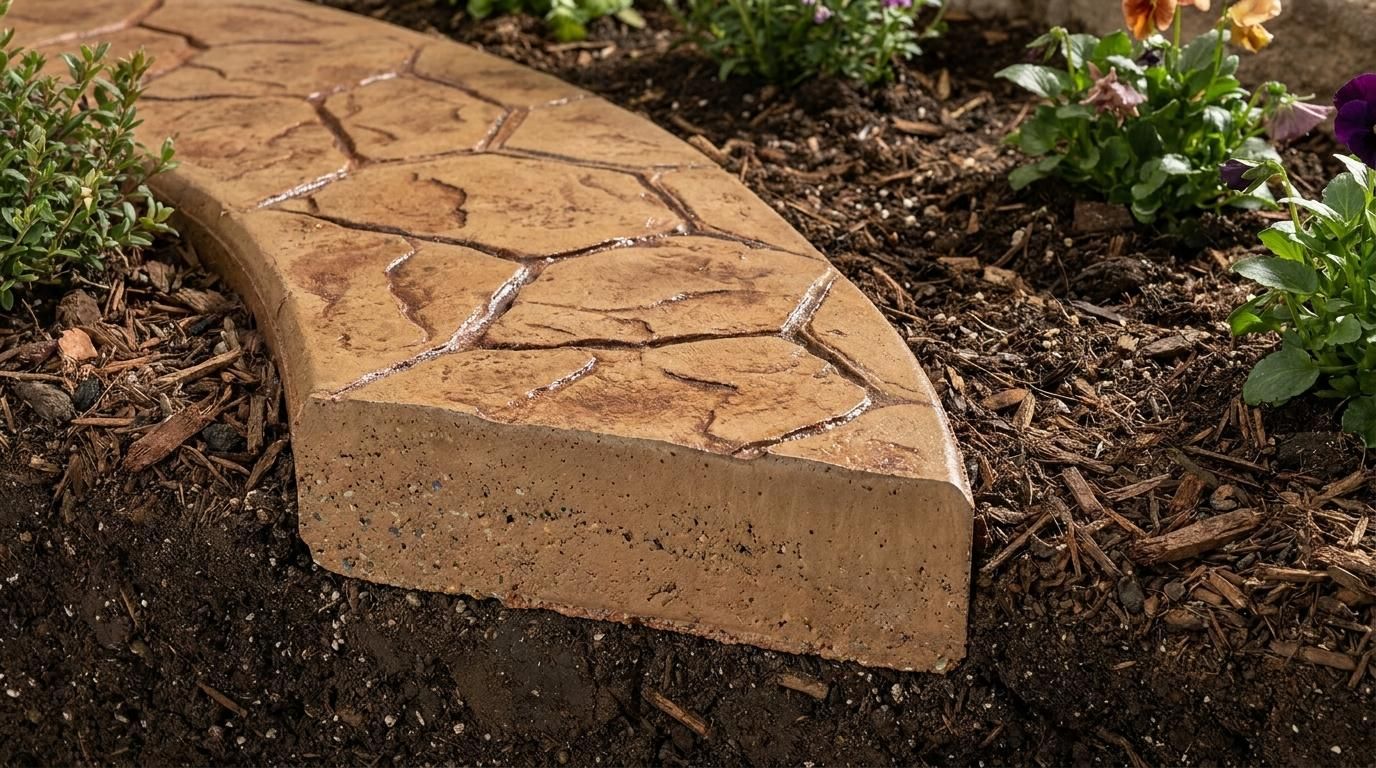
Elite Landscape Curbing offers over 12 custom textures and more than 24 colors, including advanced concrete curbing styles inspired by Wisconsin landscapes like Door Peninsula Floor and Fox River Valley. Installation takes one day for most residential properties, with a return visit about a week later for the initial poly sealer coat. Rock and mulch can be installed alongside the curbing on the same visit.
Frequently Asked Questions
Does concrete curbing count as hardscaping or softscaping?
Concrete curbing is hardscaping. It's a non-living, structural element installed to define the edges of landscape beds, walkway borders, and tree rings. Once in place, curbing becomes the permanent boundary between the built features of your yard and the living elements around them. Unlike plastic or metal edging, it requires no seasonal replacement or resetting after winter.
How long does a hardscape project like concrete curbing take?
Most residential curbing installations finish in a single day across central and northern Wisconsin communities like Wausau, Stevens Point , and Rhinelander. Elite Landscape Curbing returns five to seven days later to apply the first poly sealer coat, and a second coat is recommended before the end of that first season. After the first year, resealing every two years keeps the surface protected through freeze-thaw cycles and the colors looking fresh.
Can concrete curbing be added to a yard that already has landscaping?
Concrete curbing can be installed around existing garden beds, tree rings, and borders without removing the current landscape. The Harpten extrusion machine follows the natural shape of each bed and curves around trees and established features already in place. Ground preparation involves cutting a narrow strip of sod along the planned border line.
Your Property Starts With the Right Borders
Hardscaping gives your landscape permanent structure. Concrete curbing is one of the most accessible and durable places to start building that framework. It protects beds from grass encroachment, keeps mulch and rock contained where they belong, and holds up through 15 to 20 years of Wisconsin freeze-thaw cycles without cracking, shifting, or lifting.
Wisconsin's installation season runs April through mid-October, so scheduling early secures a spot before summer demand fills the calendar. For a free quote on decorative concrete curbing for your home or business, contact Elite Landscape Curbing at (715) 204-4727 .