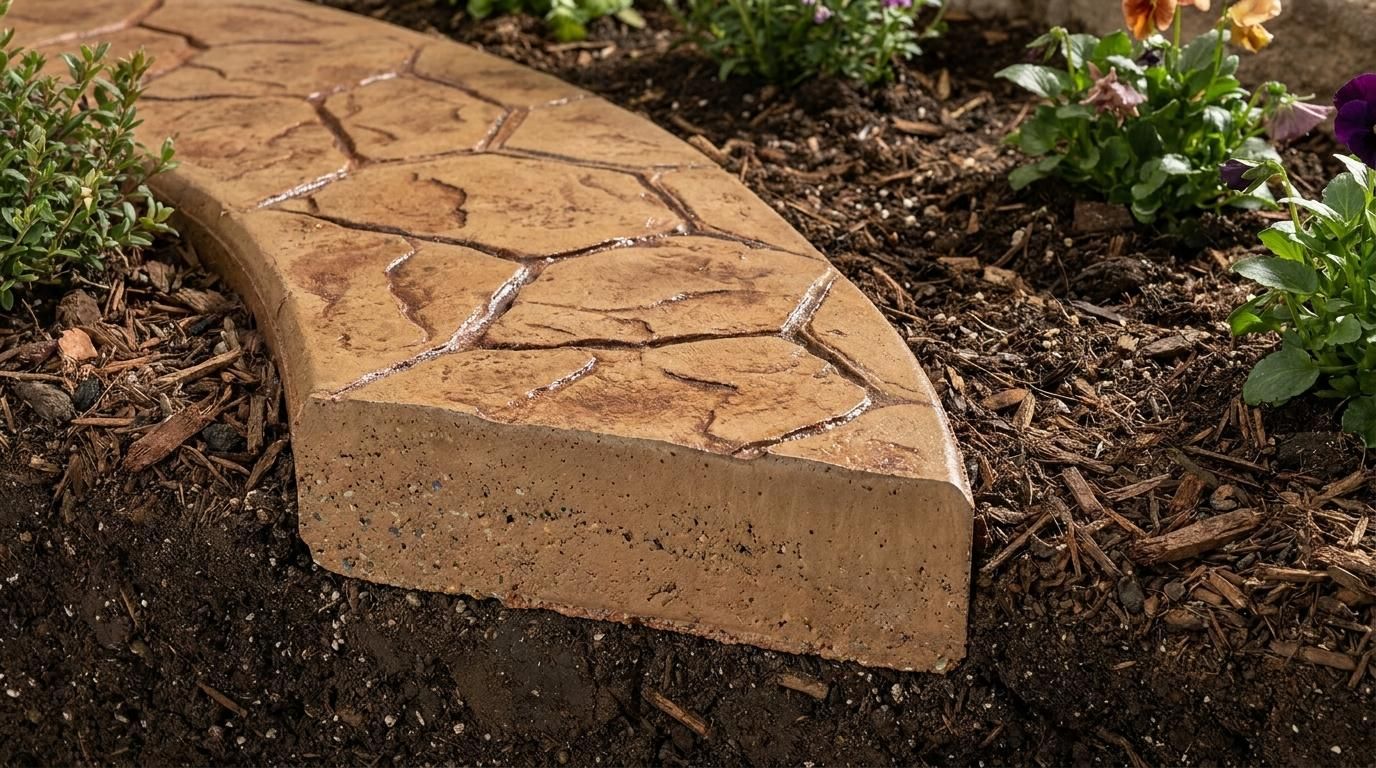
5 Landscape Edging Ideas for Wisconsin Lake Houses and Northwoods Cabins

Seth Pajtash • May 25, 2026

The best landscape edging ideas for Wisconsin lake houses and Northwoods cabins start with materials that survive freeze-thaw winters while matching the natural surroundings. Concrete curbing in stone and wood-grain patterns is the most common permanent option for lakefront properties because it handles frost heave, spring runoff, and seasonal neglect without requiring annual replacement.

Properties along the Wisconsin River and the Minocqua chain face a challenge suburban yards don't: sandy soil that shifts during spring thaw, heavy pine shade, and shoreline runoff that washes out loose edging materials. Elite Landscape Curbing serves lakefront homeowners across the Northwoods with decorative concrete borders designed for these specific conditions.

1. Stone-Stamped Borders Along Shoreline Garden Beds

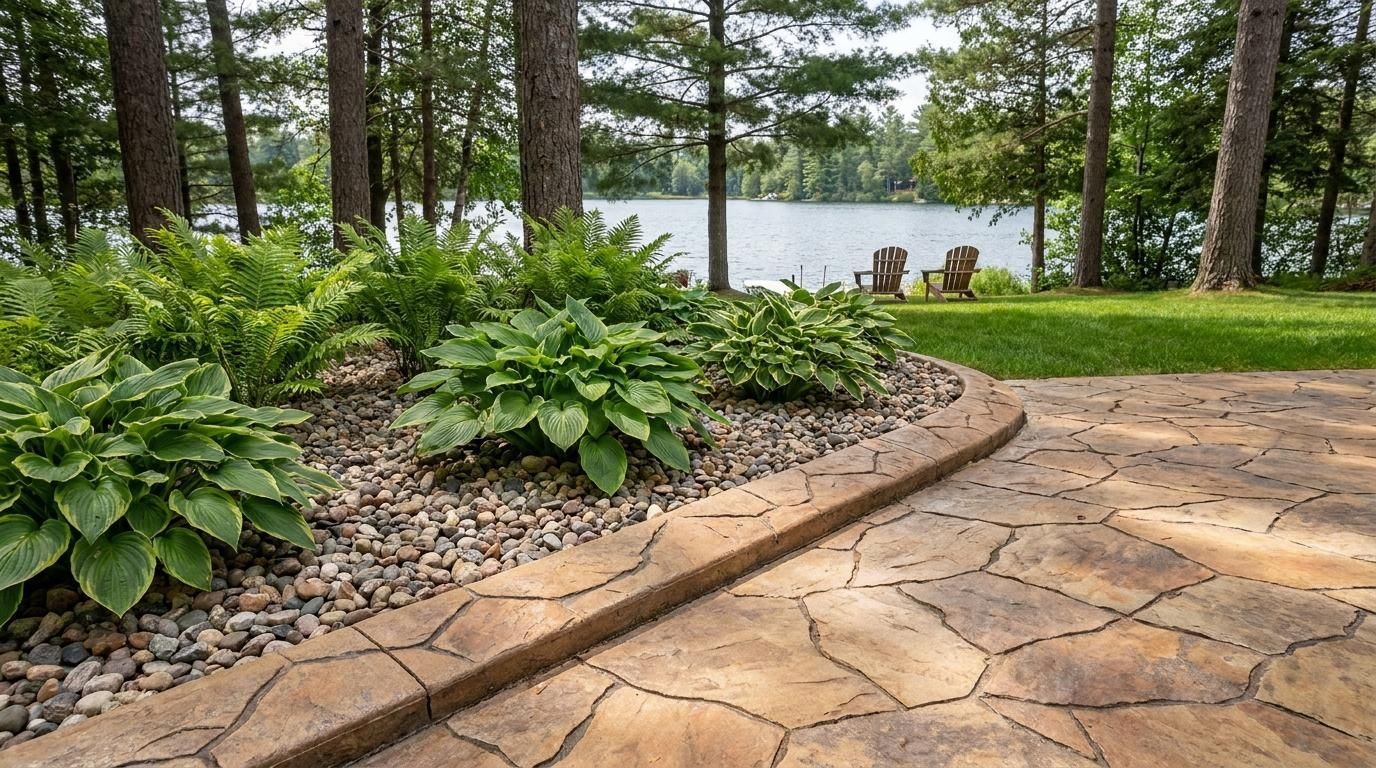
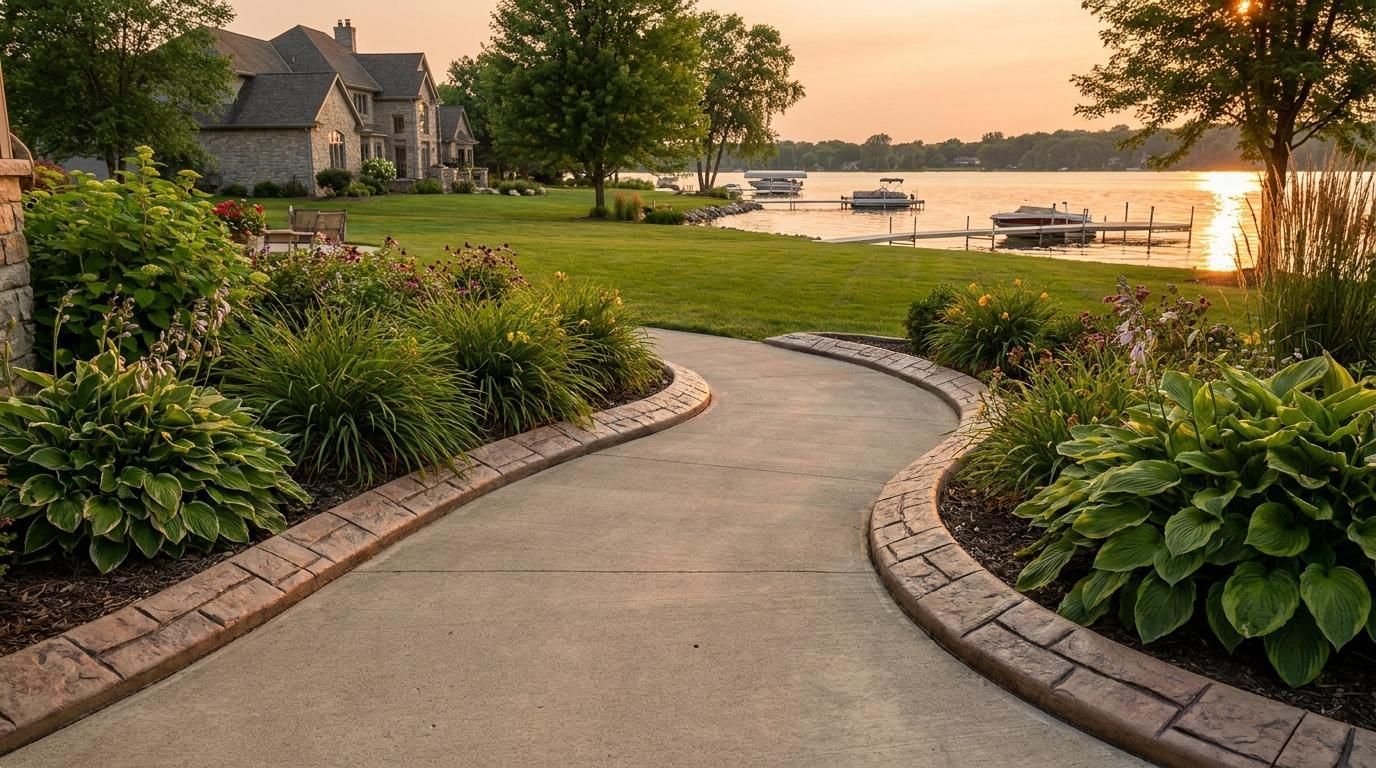
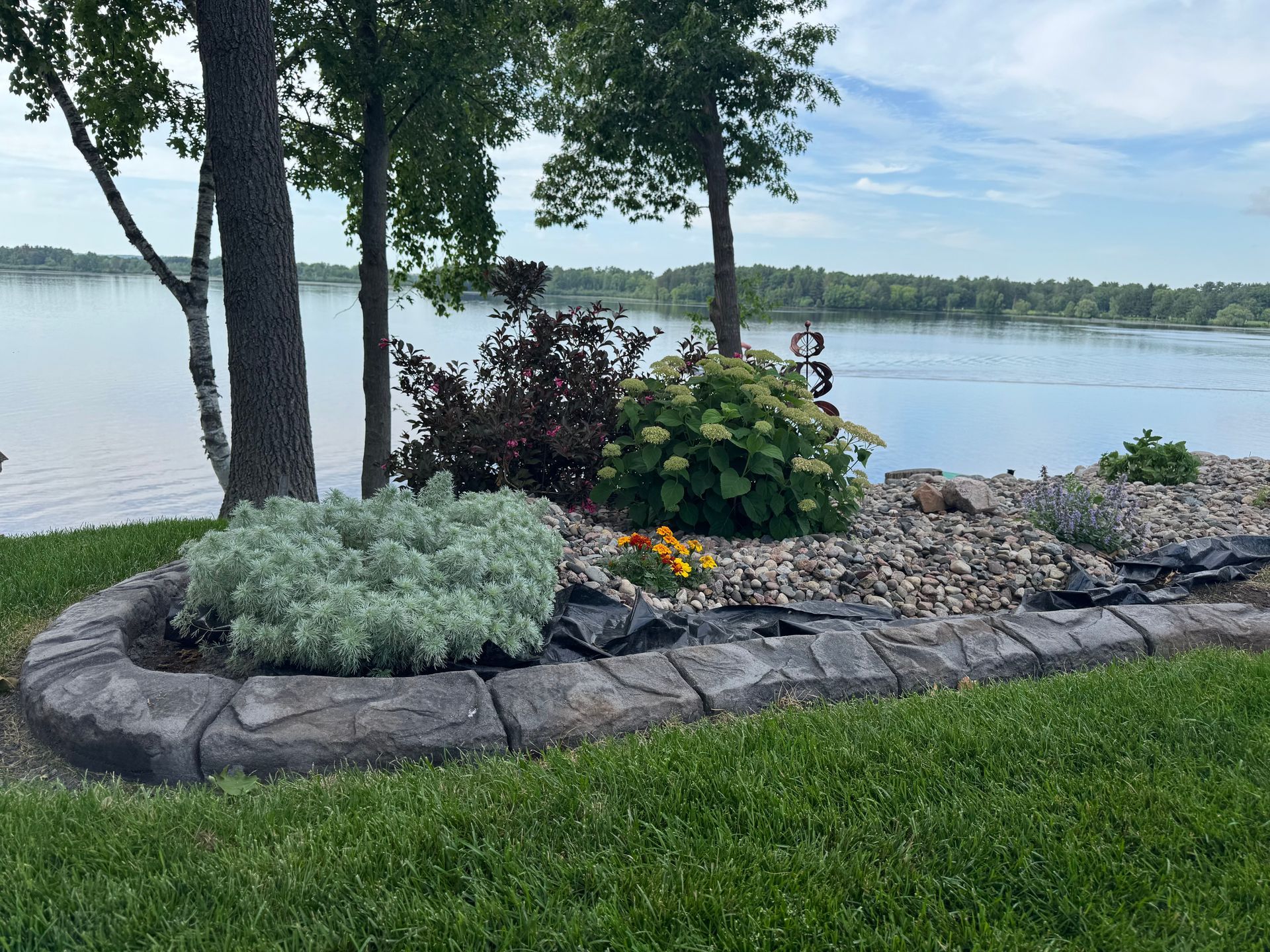
Flagstone and random rock stamp patterns blend with the natural aesthetics of lakefront properties. The texture mimics the fieldstone and granite common along northern Wisconsin shorelines, so the curbing looks like it belongs rather than something imported from a suburban catalog.

Earth-tone integral colors like Cedar, Bark, and Sand complement the woods-and-water palette of the Northwoods. These borders contain mulch and rock through spring runoff season when wind and snowmelt push loose materials downslope toward the water. Browse Elite Landscape Curbing's project gallery to see stamped stone borders installed on lakefront and residential properties across the region.

2. Curved Tree Rings With Northwoods Color Palettes

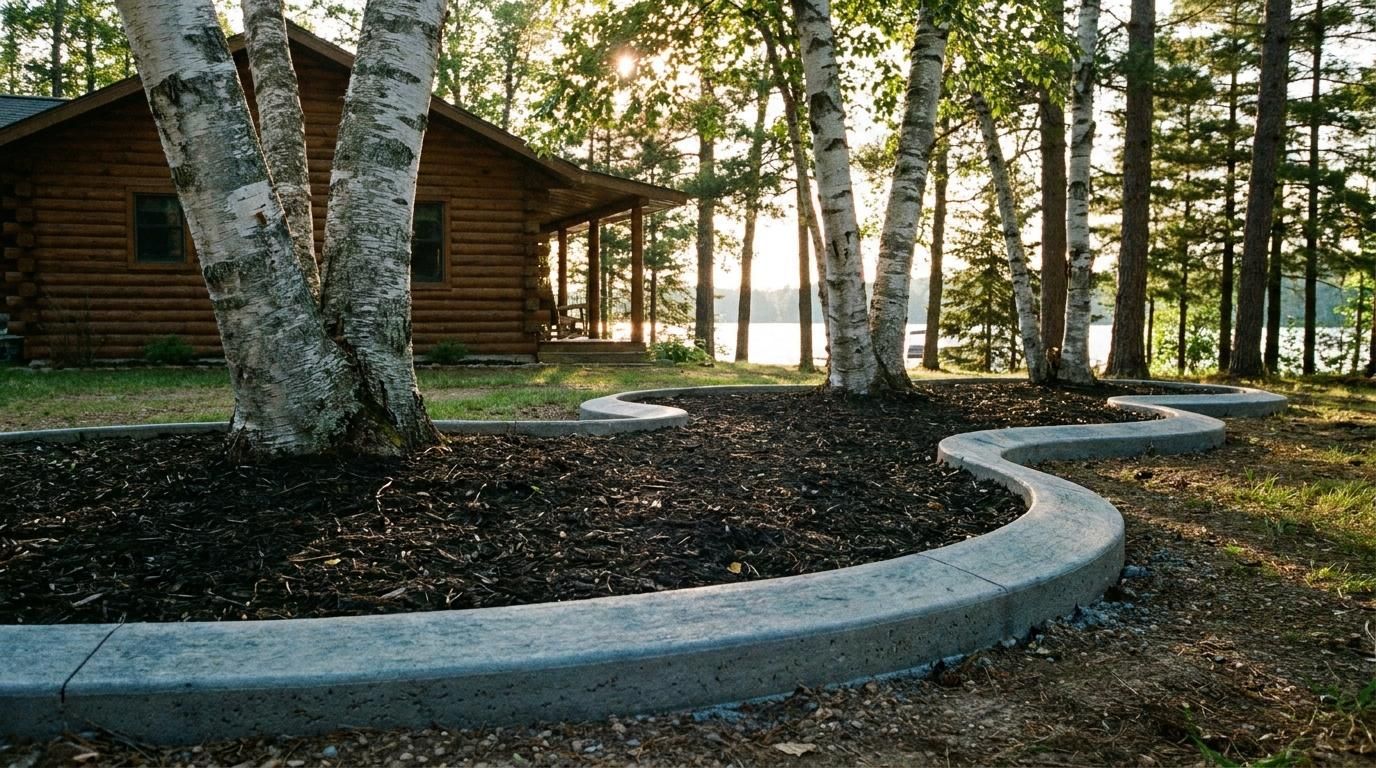
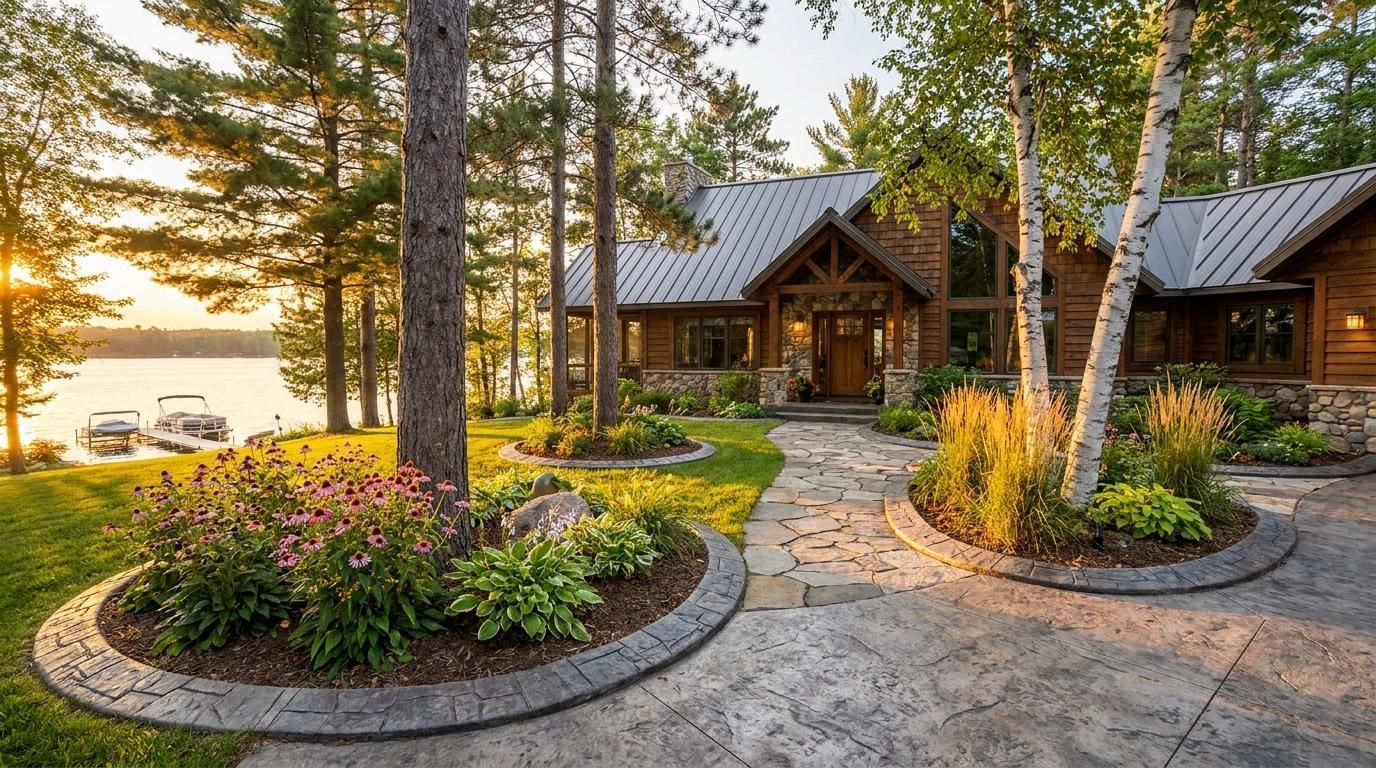
Mature white pines, birches, and maples define the Northwoods landscape. Curved tree ring borders frame these trees while protecting root zones from mower damage and mulch erosion.

Pool Blue and Dover Blue release accent colors give tree rings a subtle cool tone that echoes the lake visible from most Northwoods yards. Paired with a Slate or Smoke integral base, the two-tone effect adds depth without competing with the natural surroundings. Organic oval shapes work better than perfect circles on wooded lots where tree spacing is irregular.

3. Mower-Friendly Borders Between Lawn and Pathways

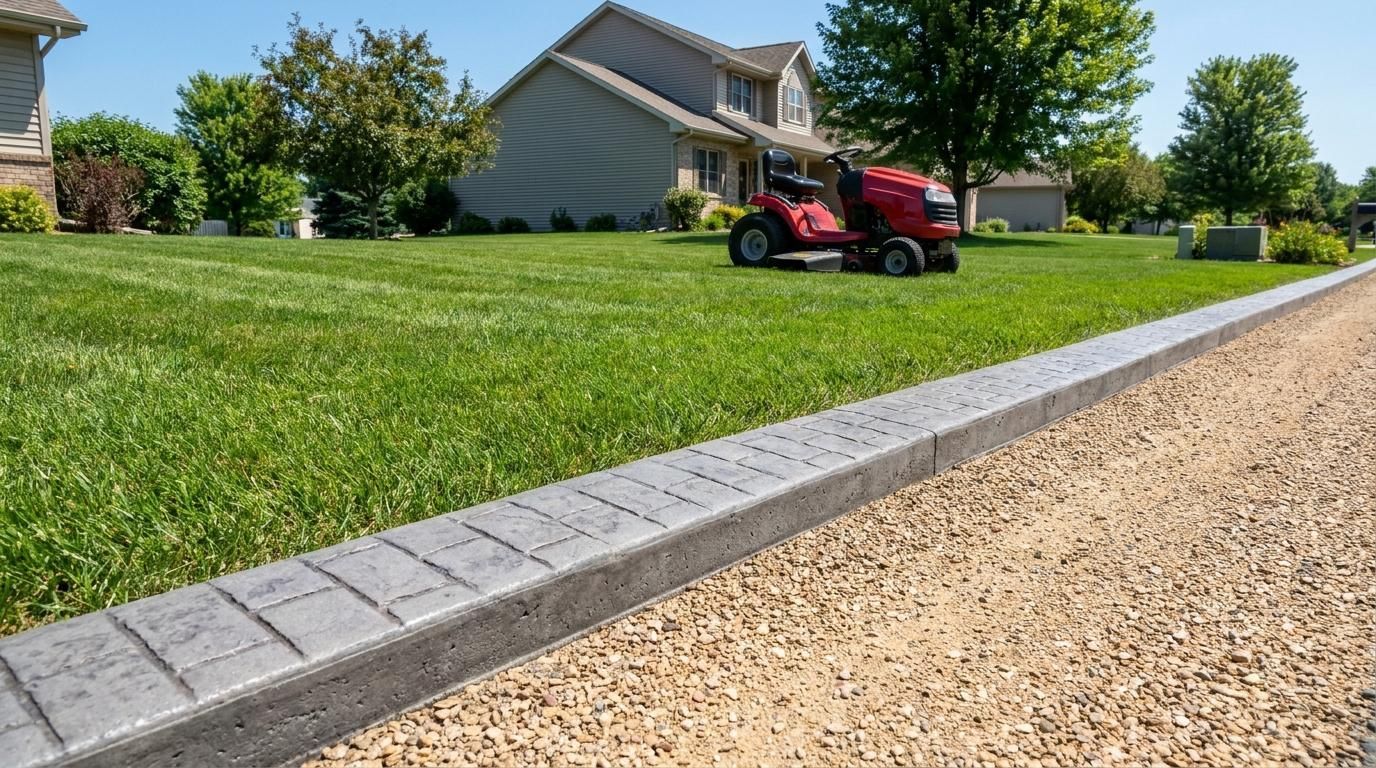
Seasonal lake homeowners want a property that looks sharp without hours of hand-edging every weekend. A continuous concrete border between the lawn and gravel pathways, fire pit areas, or dock approaches creates a clean edge that the mower wheel follows naturally.

Soldier Course and H Brick patterns provide a structured, geometric look that contrasts with the organic shapes of the surrounding landscape. The curbing eliminates the gap where grass invades gravel and gravel migrates onto the lawn. For properties accessed only on weekends, this means less cleanup time and more time on the water.

4. Wood-Grain Curbing Around Cabin Perennial Gardens

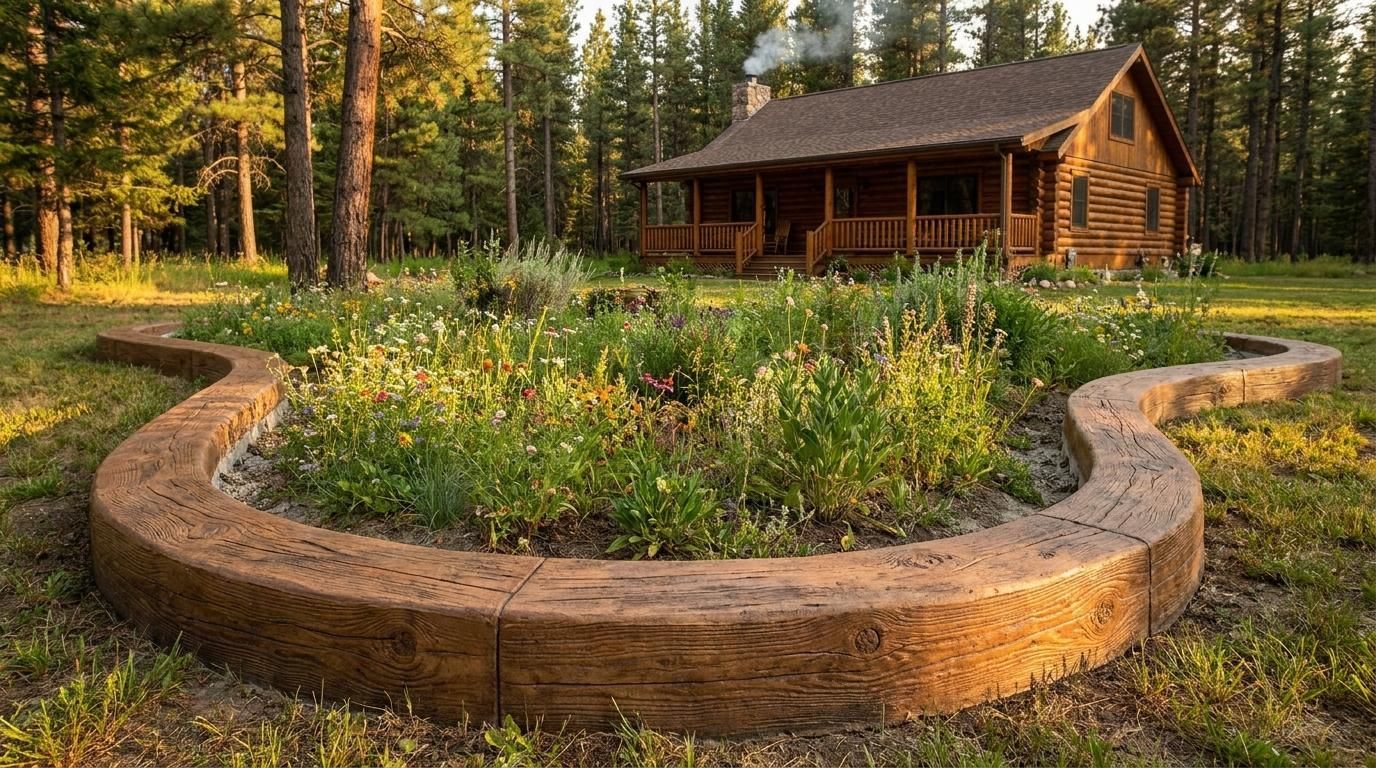
The Wood Grain stamp pattern looks like timber edging but won't rot, split, or attract carpenter ants the way real wood does in Wisconsin's damp Northwoods climate. For log cabins and rustic lake homes, it's a design match that lasts 15 to 20 years instead of three to five.

The Hand Hewn Wood advanced stamp takes the look further with a rough-cut texture that resembles hand-split cedar rails. Paired with warm integral colors like Leather or Rawhide, these borders frame perennial gardens and native plantings without looking out of place against a timber-frame exterior.

5. Dual-Tone Borders for Waterfront Curb Appeal

Elite Landscape Curbing's color system pairs 49 integral colors with 34 release accent colors, creating a two-tone depth that makes stamped concrete look like natural stone. The integral color runs through the entire concrete mix while the release accent sits on the surface, highlighting the stamp pattern's texture.

For waterfront properties, Sandstone base with Copper Brown accent creates a warm, natural look. Slate base with Pool Blue accent picks up the lake tones visible from the yard. These combinations work across the Northwoods service area from Eagle River to Rhinelander to Three Lakes, where outdoor aesthetics drive property value.

Frequently Asked Questions

What landscape edging works best near water?

Concrete curbing handles lakefront conditions better than plastic or metal alternatives. It won't shift in sandy soil, crack from frost heave the way thin plastic does, or corrode from constant moisture exposure. The continuous, seamless design also prevents mulch and rock from washing toward the shoreline during spring runoff.

Can concrete curbing be installed on sloped lakefront lots?

Yes. Elite Landscape Curbing's installation process relies on the Harpten extrusion machine, which follows the natural grade of sloped terrain. It lays a continuous border that adjusts to elevation changes without joints or breaks. Drainage gaps can be built into the low side of any slope to prevent water from pooling behind the curb.

How do seasonal homeowners maintain curbing at a lake property?

Rinse the surface with a garden hose when you open the property in spring and reseal every two years. There are no stakes to reset, no sections to replace after winter, and no seasonal storage. The curbing stays in place through Wisconsin's freeze-thaw cycles year-round, occupied or not.

Design Your Lakefront Landscape This Summer

The right edging transforms a lakefront yard from a maintenance chore into a finished landscape that holds its shape through every Wisconsin season. Stone stamps, wood-grain patterns, and dual-tone color combinations let the curbing match the property rather than stand apart from it.

Contact Elite Landscape Curbing at (715) 204-4727 or request a free quote online to plan your lake house or cabin curbing project before the summer installation season fills. Every project includes a 2-year workmanship warranty and a follow-up packet with care instructions.

By Seth Pajtash May 28, 2026
Explore 80+ concrete curbing colors from Elite Landscape Curbing. Integral pigments and release accents for Wisconsin homes, businesses, and lake properties.
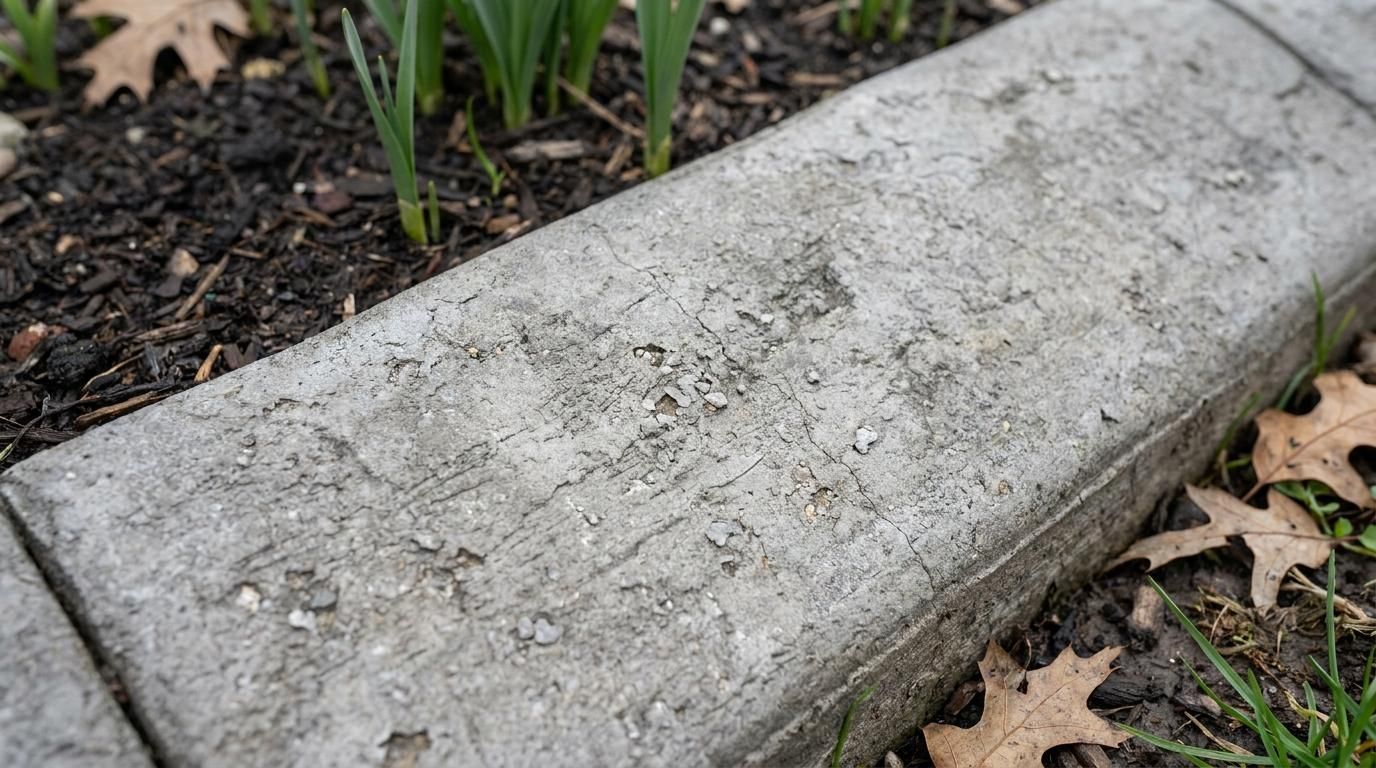
By Seth Pajtash May 21, 2026
Learn when and how to seal concrete curbing in Wisconsin. Seasonal timing, sealer types, and a care schedule to protect your investment from freeze-thaw damage.
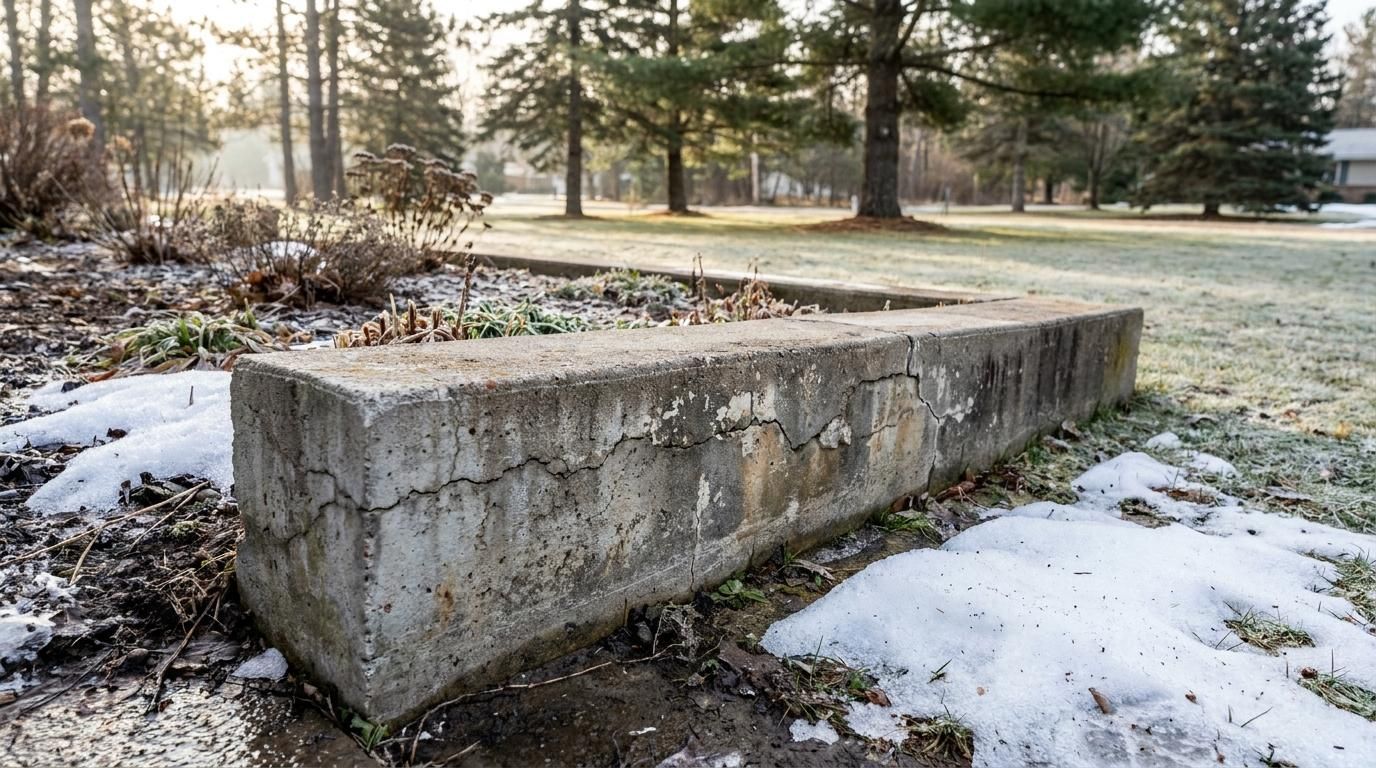
By Seth Pajtash May 18, 2026
Concrete curbing lasts 15-20+ years in Wisconsin with proper installation and sealing. Learn what affects its lifespan and how to protect your investment.
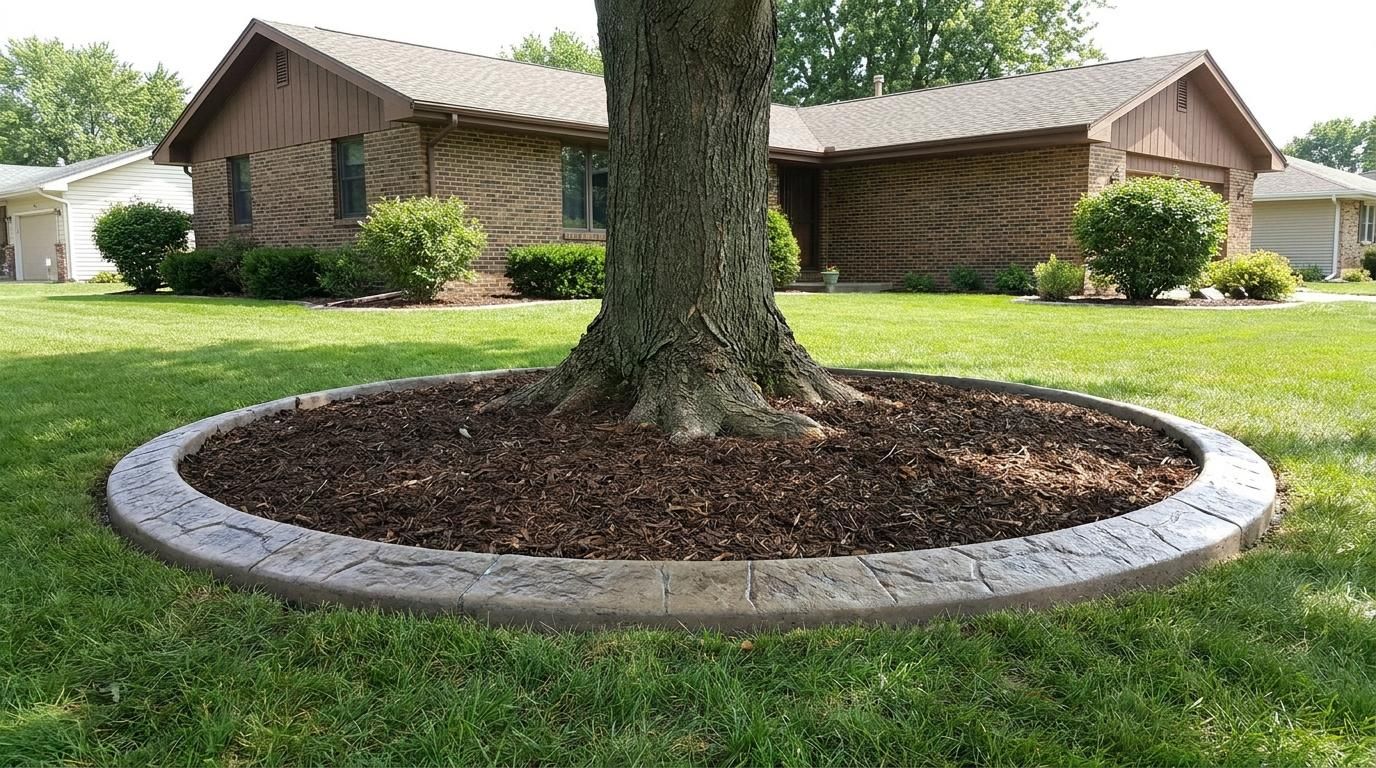
By Seth Pajtash May 15, 2026
Learn how to install concrete curbing around trees in Wisconsin. These five tips cover spacing, stamp patterns, drainage, & root protection for lasting results.
By Seth Pajtash May 10, 2026
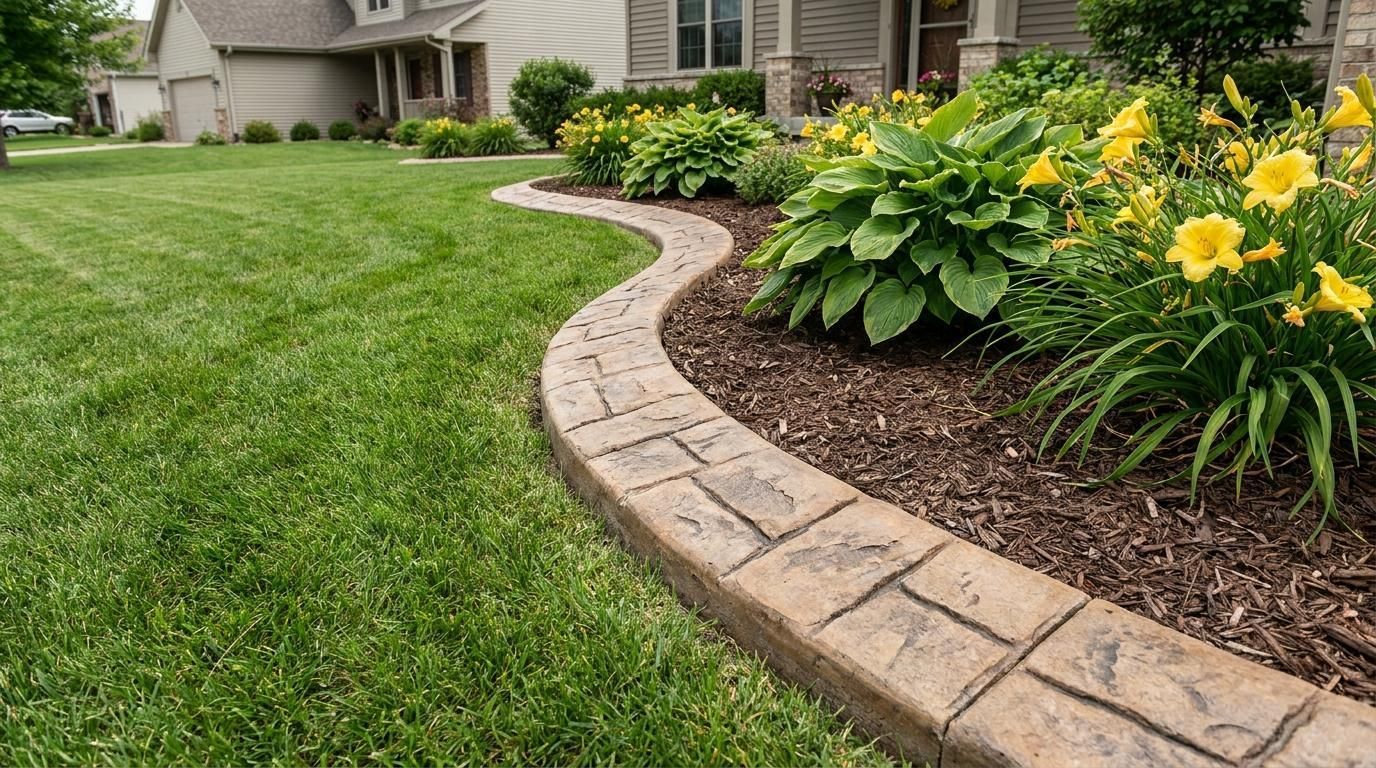
Explore 5 concrete border styles for garden beds built for Wisconsin weather. From flagstone to wood grain, find patterns that last 15 to 20 years.
By Seth Pajtash May 6, 2026
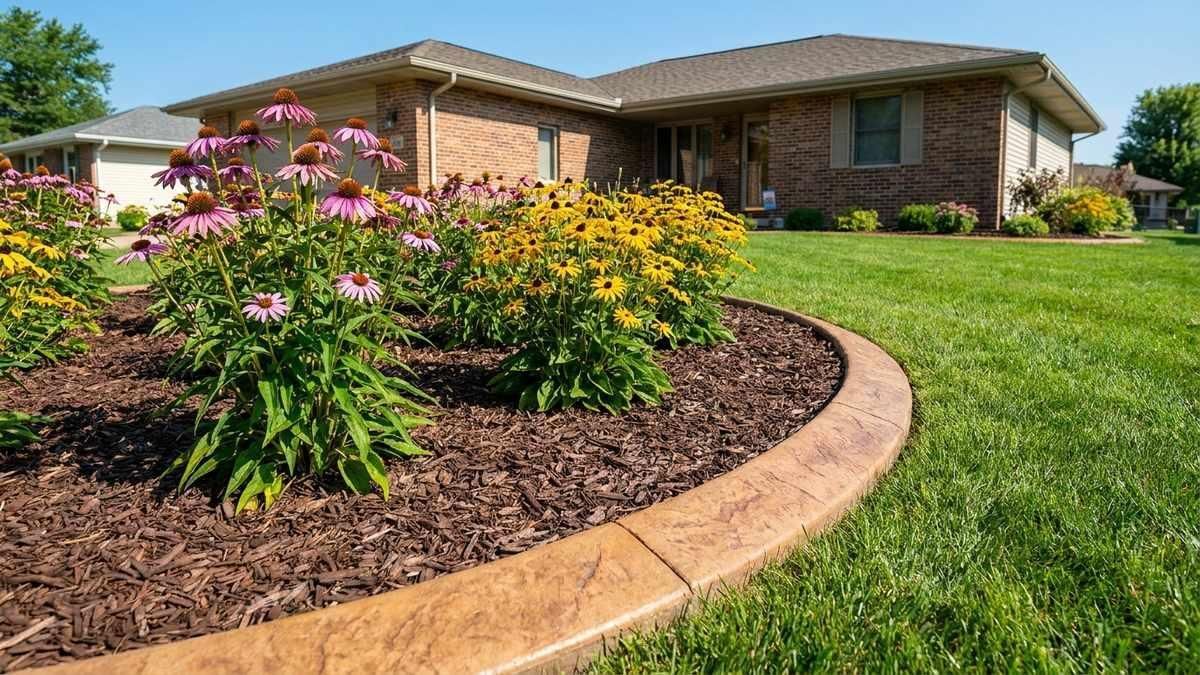
These Wisconsin native plants thrive inside concrete curbing beds. From coneflowers to little bluestem, these pairings reduce maintenance & add seasonal color.
By Seth Pajtash May 2, 2026
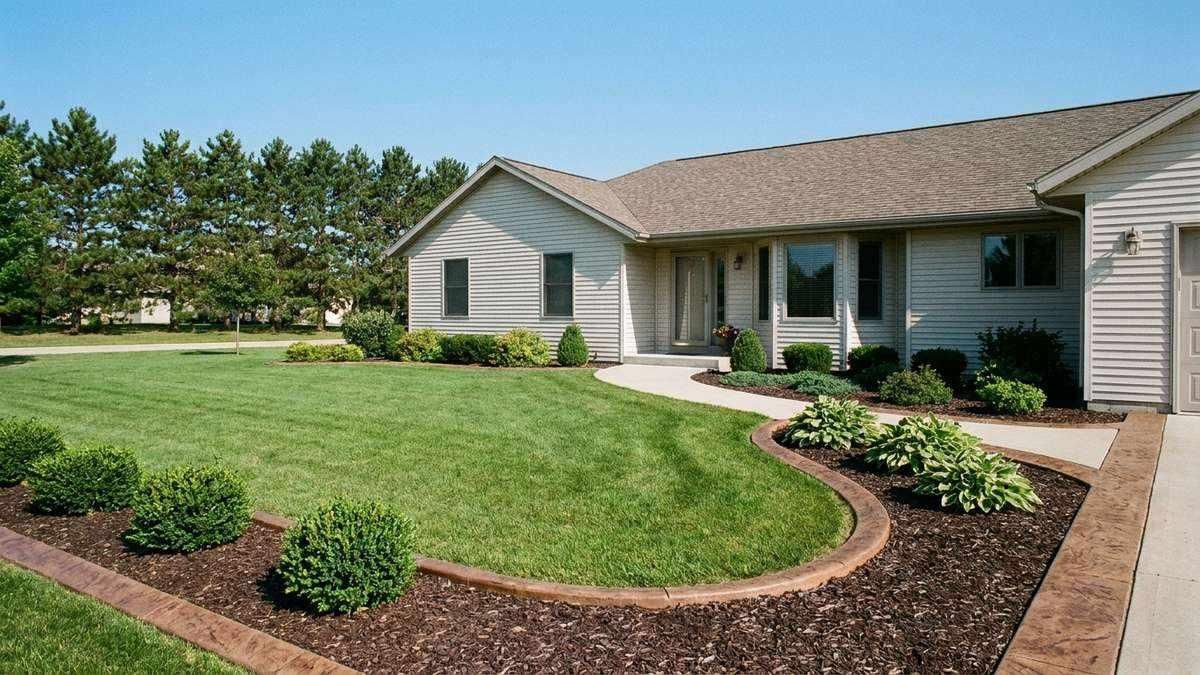
Hardscaping refers to the non-living elements of your landscape. Learn what counts, how concrete curbing fits, and why it matters for Wisconsin yards.
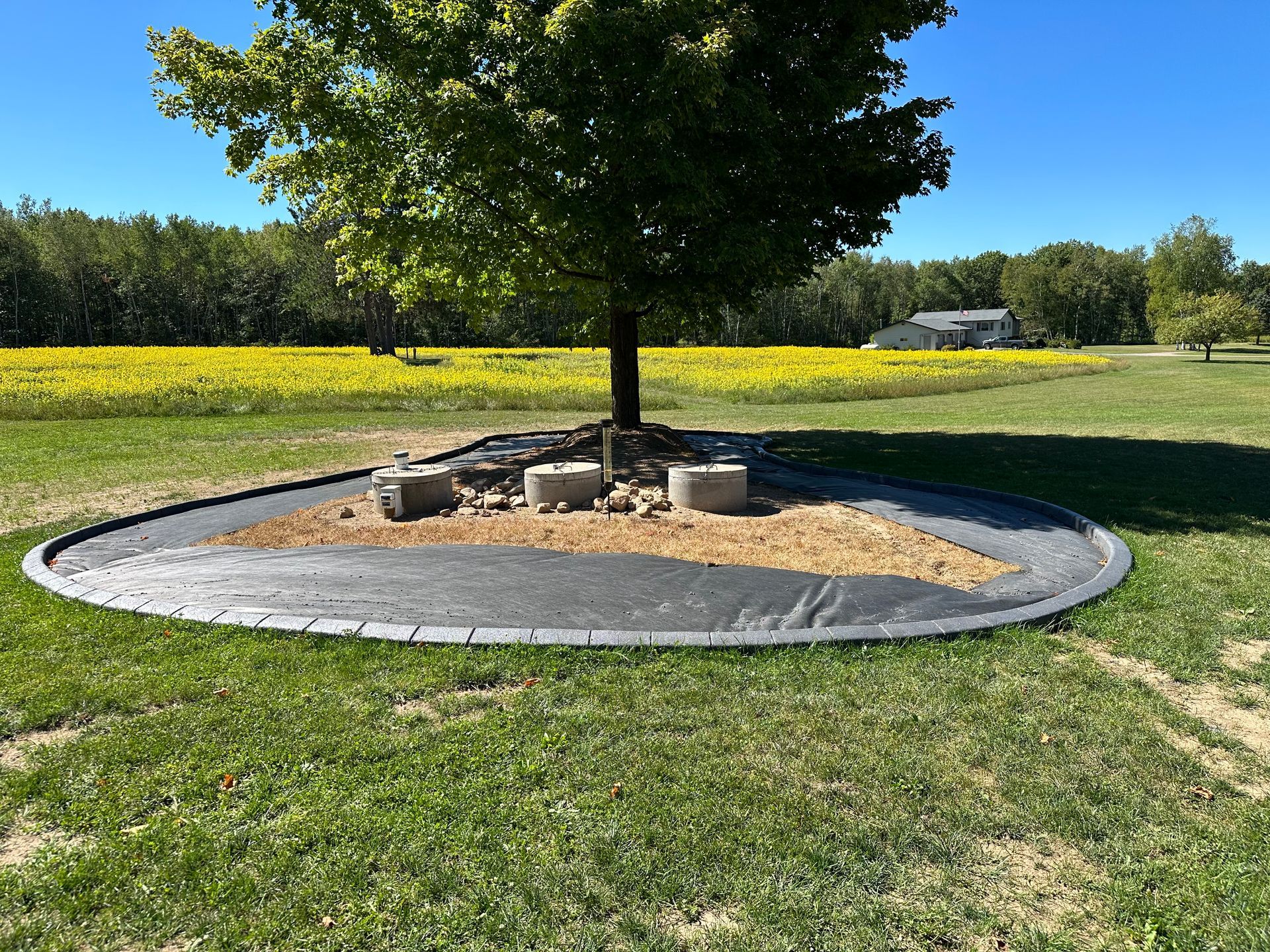
Young tree in a circular mulch bed with rocks, surrounded by grass in a sunny field
By Seth Pajtash April 29, 2026
Explore landscape border ideas for Central Wisconsin and Northwoods homes. Discover stone textures, color accents, and creative layouts built to last.
Landscaped lakeside garden with shrubs, flowers, stone edging, and trees overlooking calm water
By Seth Pajtash April 22, 2026
Explore concrete curbing ideas from rustic stone to clean-line brick patterns. See which styles are elevating Wisconsin landscapes in 2026.
Cracked concrete slab with grass sprouting through, snowy field and bare trees in the background
By Seth Pajtash April 15, 2026
Thinking about DIY concrete landscape curbing? Compare the real costs, tools, and results of doing it yourself vs. hiring a pro in Wisconsin.
Show More