Wisconsin Native Plants That Pair Beautifully With Concrete Landscape Curbing

Seth Pajtash • May 6, 2026

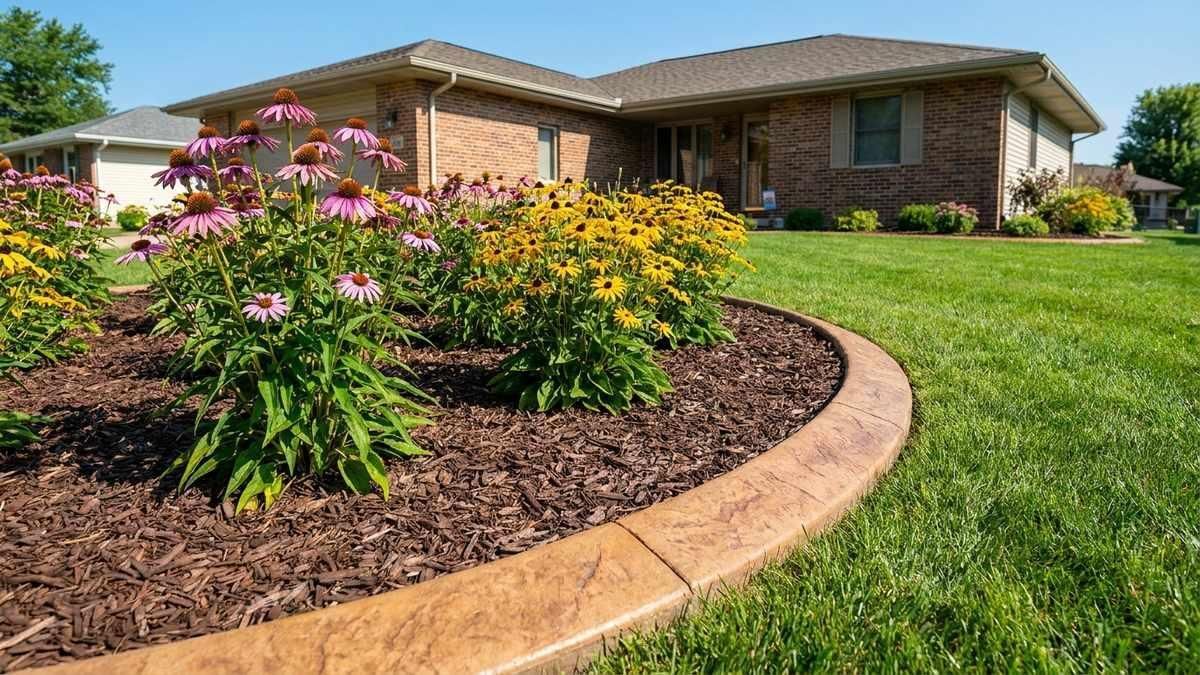
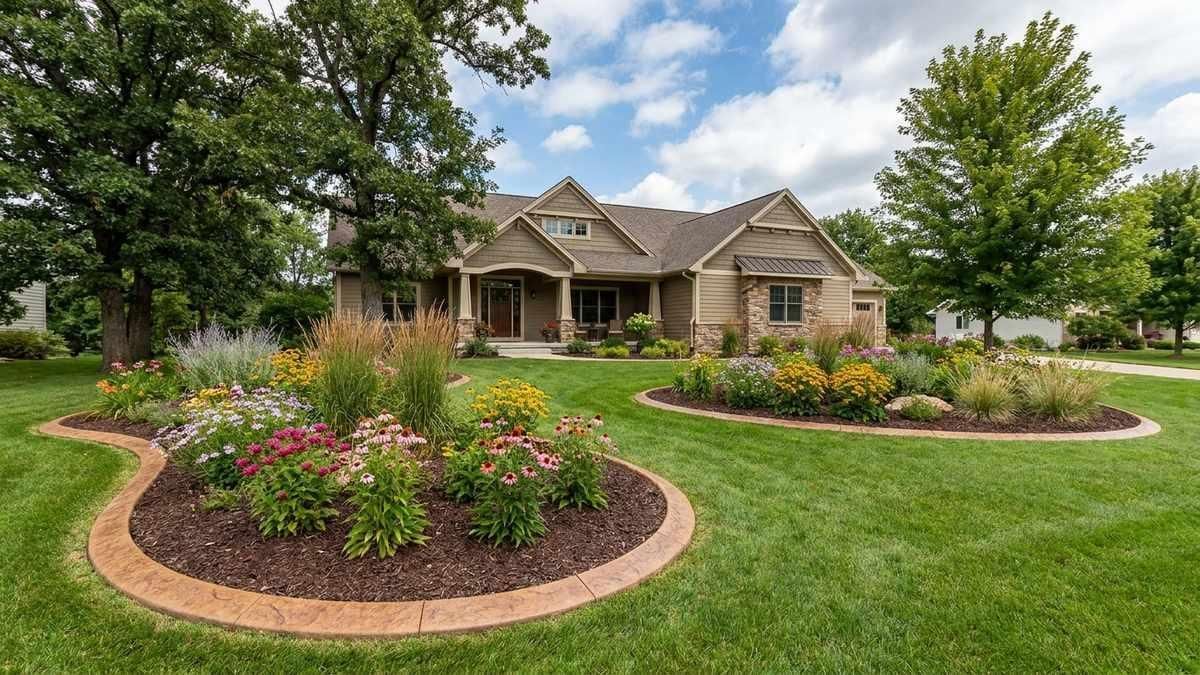
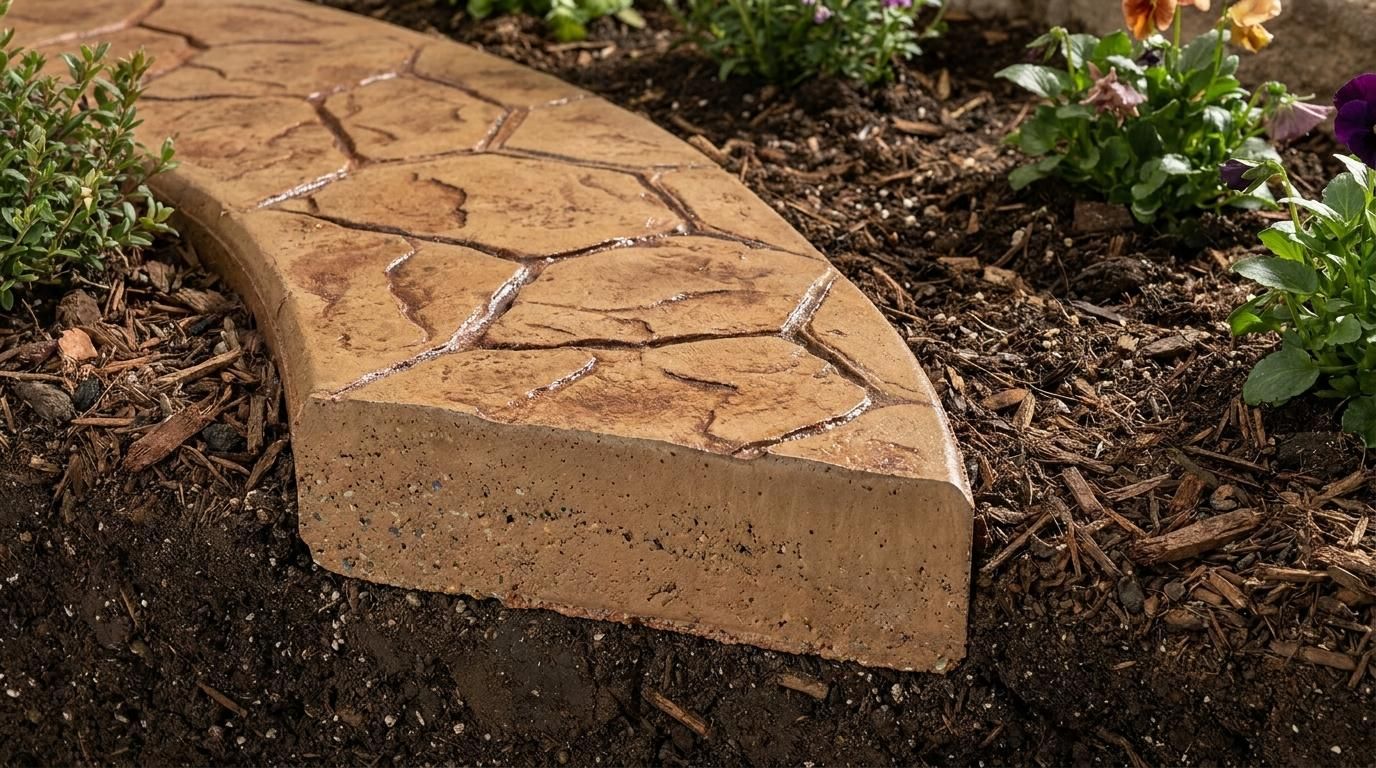
Wisconsin native plants like purple coneflower, black-eyed Susan, and little bluestem thrive inside garden beds framed by concrete landscape curbing. Pairing native species with permanent concrete borders creates beds that stay sharp through every season. The curbing handles structural work like grass control and mulch containment, while the plants fill the bed with deep root systems that suppress weeds from the inside.

Elite Landscape Curbing installs decorative curbing across central and northern Wisconsin, often from late May through early June when most native perennials go in the ground. The sections below cover why native plants and concrete curbing work together, which Wisconsin natives thrive inside curbed beds, and how to time both projects in a single season.

Why Native Plants and Concrete Curbing Work Together

Native plants evolved in Wisconsin's soil and climate, which means they handle freeze-thaw cycling, clay-heavy ground, and variable rainfall without the constant watering and amending that non-native ornamentals require. When these plants grow inside beds framed by concrete curbing, the combination solves two maintenance problems at once.

The curbing keeps grass from creeping into the bed and holds mulch in place through spring snowmelt. The native plants fill the bed with deep root systems that stabilize soil, reduce erosion, and suppress weeds from the inside. Together, the hardscape border and the native planting create a bed that largely takes care of itself after the first growing season.

For more layout and style options for your garden beds, this guide to creative garden curbing ideas covers designs that work well across central Wisconsin and the Northwoods.

Native Plants That Thrive Inside Concrete-Bordered Beds

The plants below are rated for Wisconsin hardiness zones 3 through 5 and grow well in the contained beds that concrete curbing creates. These recommendations assume full to partial sun, which covers most front and side yard beds across communities like Minocqua, Eagle River , and Antigo in northern Wisconsin, and Merrill and Medford in the central region.

Full Sun Perennials

Purple coneflower (Echinacea purpurea) grows two to four feet tall, blooms midsummer, and handles dry conditions once established. Black-eyed Susan (Rudbeckia hirta) fills beds with gold blooms from July through September. Butterfly weed (Asclepias tuberosa) adds bright orange flowers and attracts pollinators without spreading aggressively into the surrounding lawn.

Ornamental Grasses

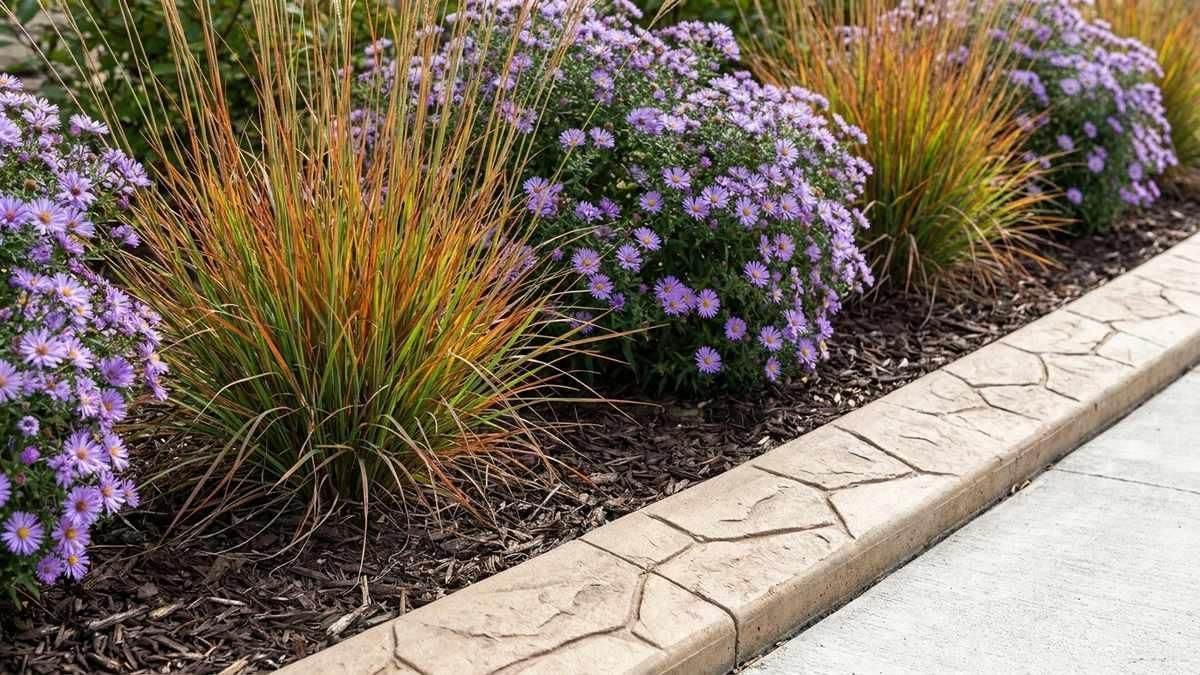
Little bluestem (Schizachyrium scoparium) turns blue-green in summer and copper-red in fall, adding visual interest long after the flowers fade. Switchgrass (Panicum virgatum) provides height and movement at the back of a curbed bed. Both grasses are deep-rooted and drought-tolerant once established.

Low-Growing Border Plants

Wild geranium (Geranium maculatum) works well planted near the front edge of a curbed bed, blooming pink to lavender in spring. Pasque flower is one of the earliest bloomers in zone 3, bringing color to beds before most plants break dormancy. Read our blog post on low-maintenance front yard landscaping for strategies that reduce upkeep without sacrificing curb appeal.

Frequently Asked Questions

Do native plants need mulch inside concrete-bordered beds?

Mulch helps native plants establish during their first season by holding soil moisture and suppressing competing weeds. Two to three inches of hardwood mulch or rock inside the curbed bed is enough. After the first year, the plants' own root systems handle most weed suppression on their own. Elite Landscape Curbing installs rock and mulch alongside curbing on the same visit.

Can native grasses grow next to concrete curbing without cracking it?

Native grasses like little bluestem and switchgrass have fibrous root systems, not the taproot structures that generate lateral pressure against hardscape materials. Elite Landscape Curbing builds expansion joints into every installation, which accommodates seasonal ground movement from freeze-thaw cycling without cracking. Planting grasses at least six inches from the curb face adds an extra safety margin.

When is the best time to plant native perennials in Wisconsin?

Late May through early June is the ideal planting window for most of northern Wisconsin, after the last frost date has passed. Fall planting works for some cold-hardy species but gives roots less time to establish before the first hard freeze. Either way, install the curbing and mulch before planting so the bed is structured and ready when the plants go in.

Plant With Confidence This Season

Native plants and concrete curbing solve different problems in the same bed. The curbing handles the structural work: containing mulch, blocking grass, and defining clean edges. The plants handle the living side: seasonal color, pollinator habitat, and root systems that stabilize the soil from the inside out.

Wisconsin's planting season and curbing installation season overlap from May through October, so both projects can be planned together. For a free quote on concrete curbing for your property, contact Elite Landscape Curbing at (715) 204-4727 .

By Seth Pajtash May 28, 2026
Explore 80+ concrete curbing colors from Elite Landscape Curbing. Integral pigments and release accents for Wisconsin homes, businesses, and lake properties.
By Seth Pajtash May 25, 2026
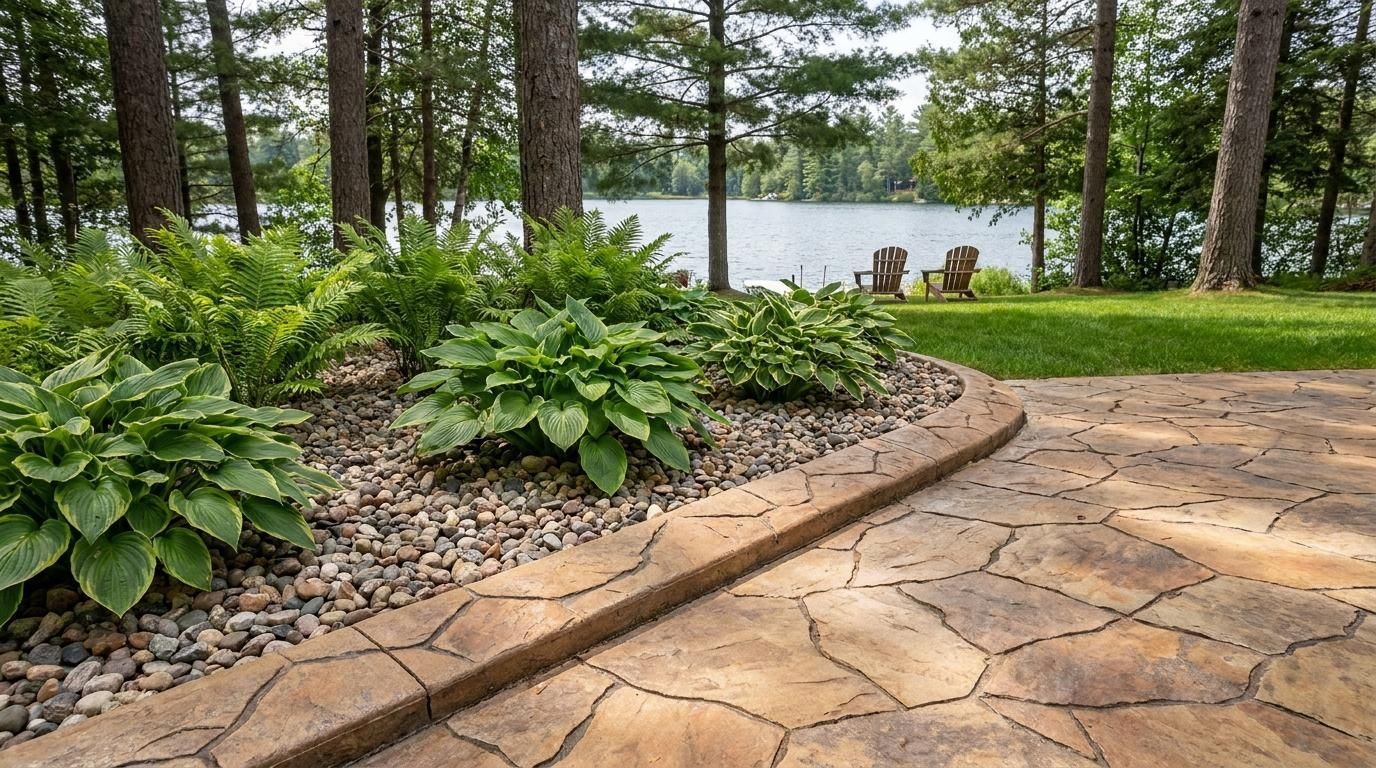
Explore landscape edging ideas for Wisconsin lake houses. Concrete curbing in stone & wood-grain patterns survives freeze-thaw winters & fits local aesthetics.
By Seth Pajtash May 21, 2026
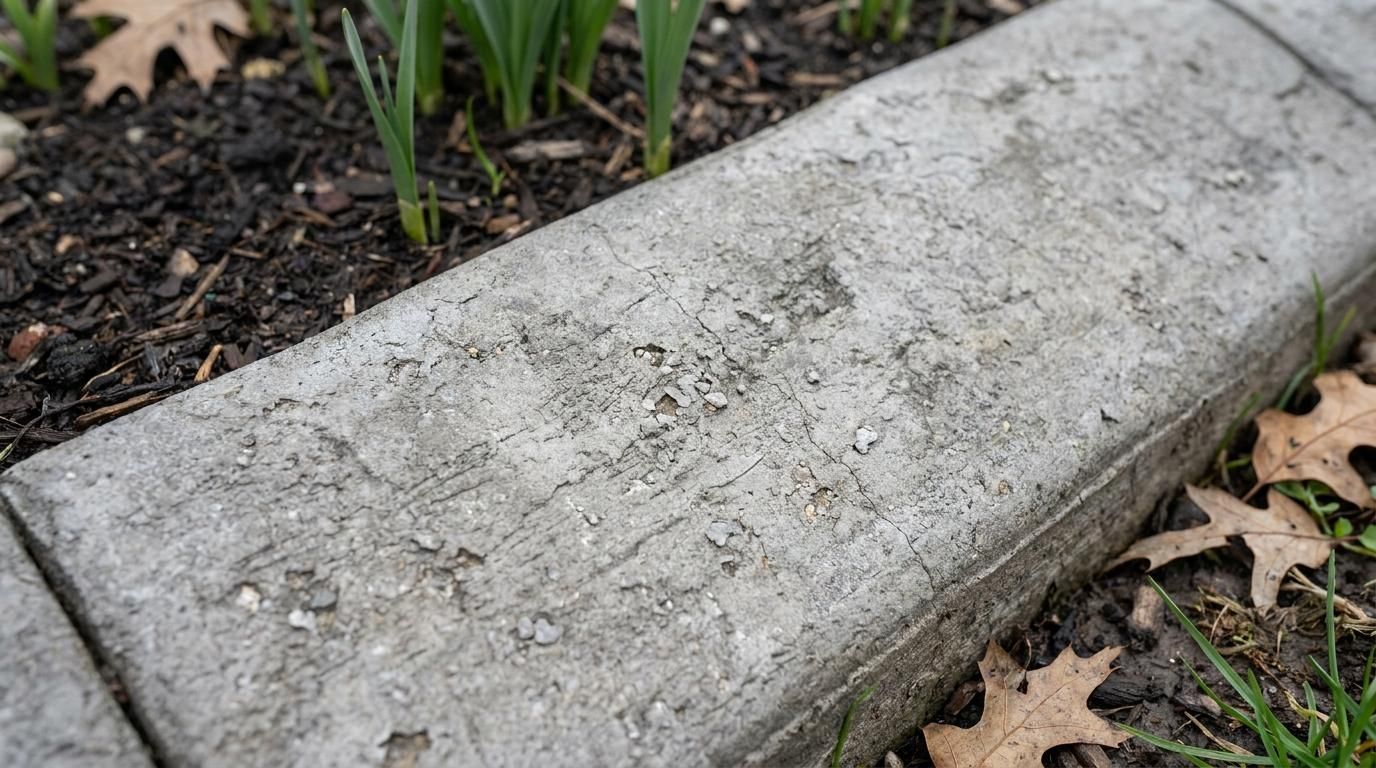
Learn when and how to seal concrete curbing in Wisconsin. Seasonal timing, sealer types, and a care schedule to protect your investment from freeze-thaw damage.
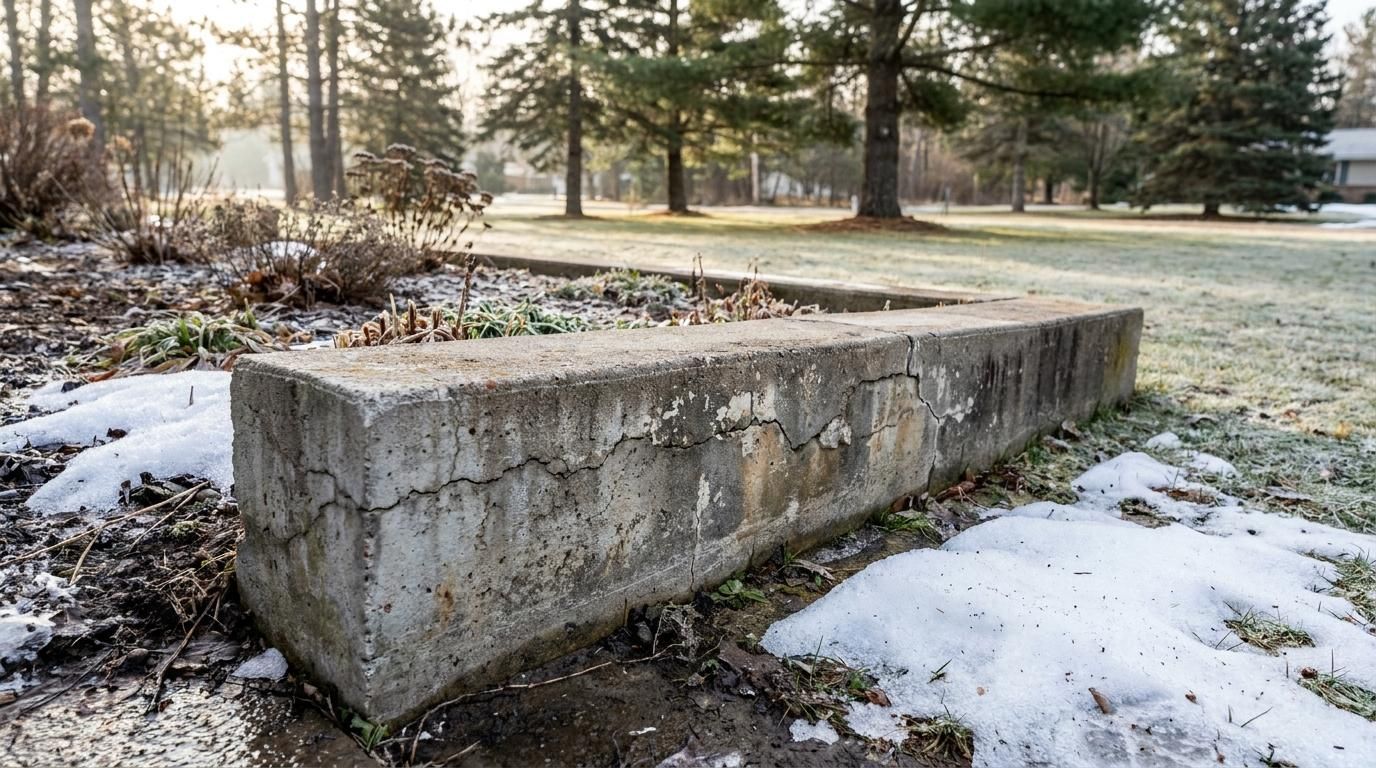
By Seth Pajtash May 18, 2026
Concrete curbing lasts 15-20+ years in Wisconsin with proper installation and sealing. Learn what affects its lifespan and how to protect your investment.
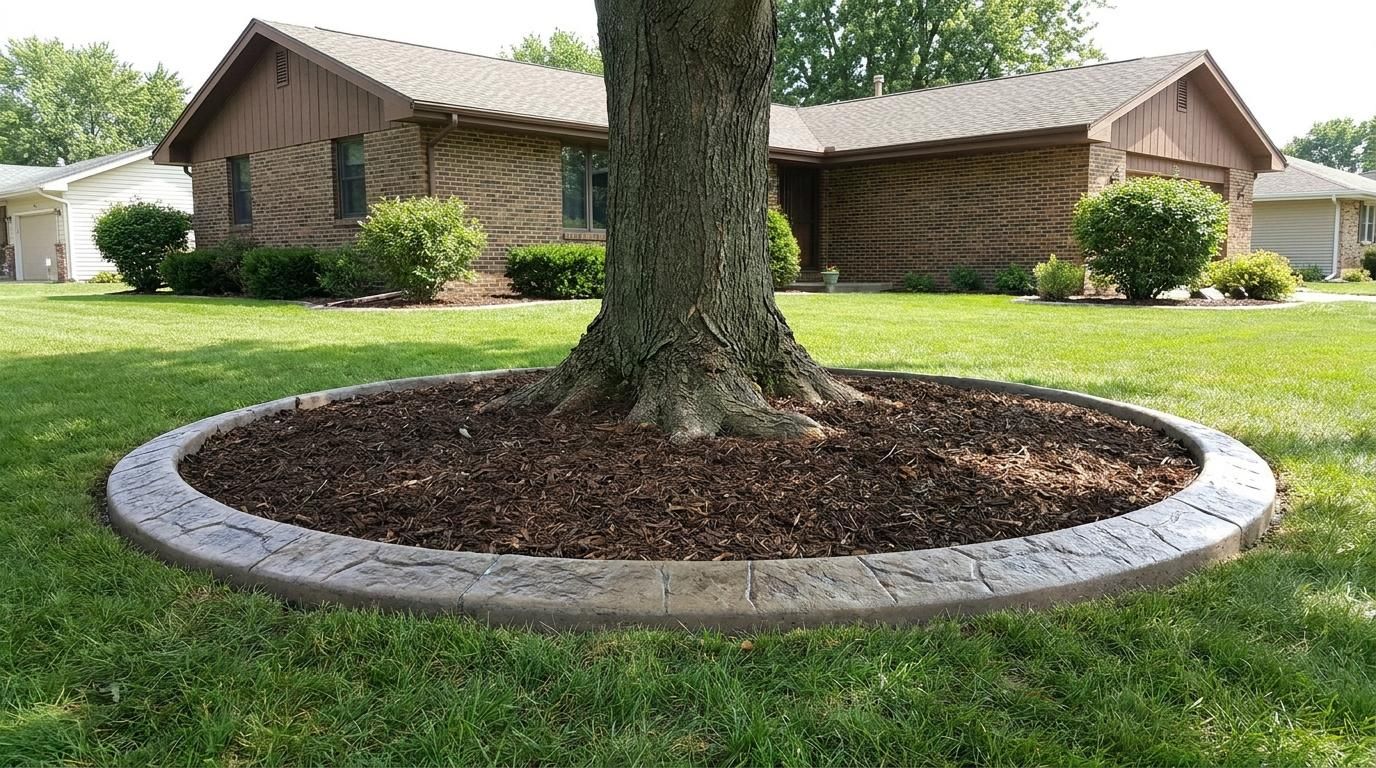
By Seth Pajtash May 15, 2026
Learn how to install concrete curbing around trees in Wisconsin. These five tips cover spacing, stamp patterns, drainage, & root protection for lasting results.
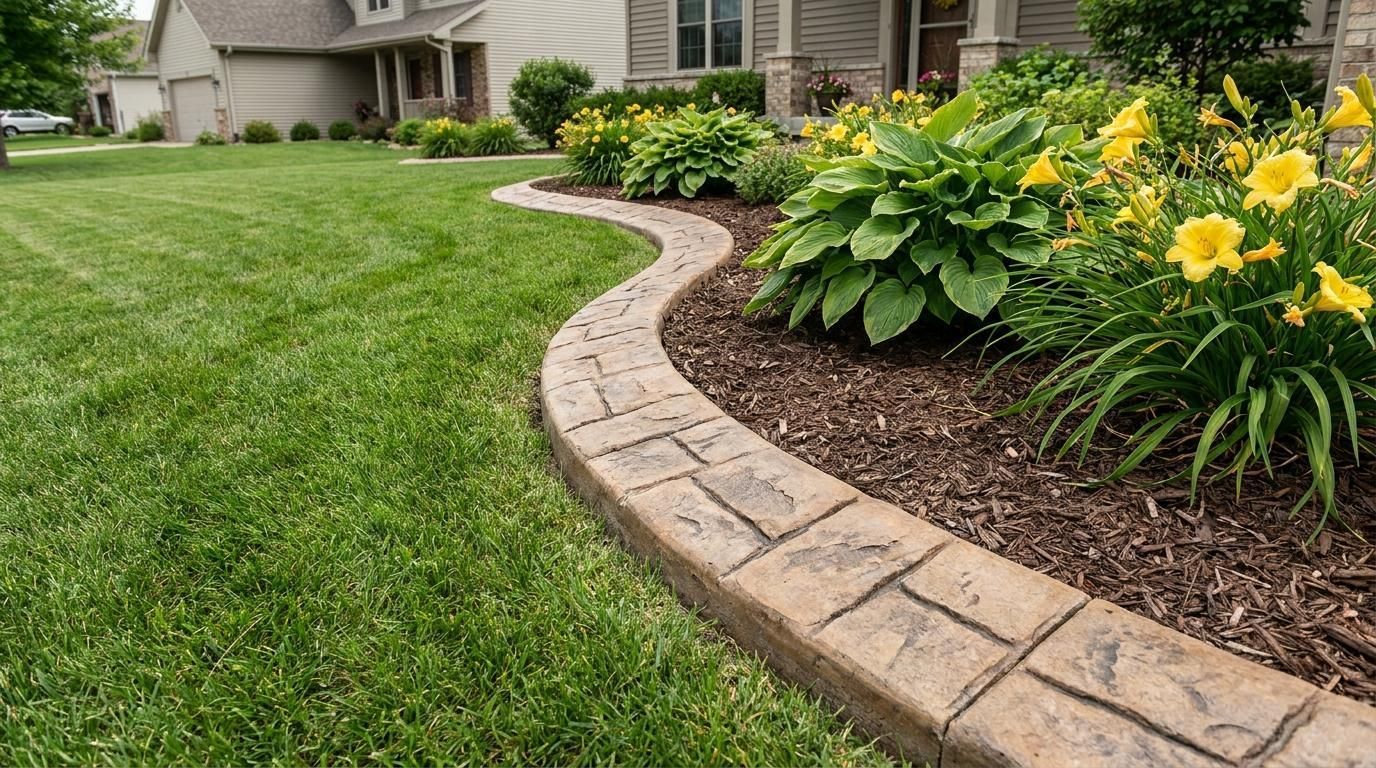
By Seth Pajtash May 10, 2026
Explore 5 concrete border styles for garden beds built for Wisconsin weather. From flagstone to wood grain, find patterns that last 15 to 20 years.
By Seth Pajtash May 2, 2026
Hardscaping refers to the non-living elements of your landscape. Learn what counts, how concrete curbing fits, and why it matters for Wisconsin yards.
Young tree in a circular mulch bed with rocks, surrounded by grass in a sunny field
By Seth Pajtash April 29, 2026
Explore landscape border ideas for Central Wisconsin and Northwoods homes. Discover stone textures, color accents, and creative layouts built to last.
Landscaped lakeside garden with shrubs, flowers, stone edging, and trees overlooking calm water
By Seth Pajtash April 22, 2026
Explore concrete curbing ideas from rustic stone to clean-line brick patterns. See which styles are elevating Wisconsin landscapes in 2026.
Cracked concrete slab with grass sprouting through, snowy field and bare trees in the background
By Seth Pajtash April 15, 2026
Thinking about DIY concrete landscape curbing? Compare the real costs, tools, and results of doing it yourself vs. hiring a pro in Wisconsin.
Show More