DIY Concrete Landscape Curbing vs. Hiring a Pro in Wisconsin

Seth Pajtash • April 15, 2026

DIY concrete landscape curbing is possible with rental forms and bagged concrete mix, but most Wisconsin homeowners find the results often don't hold up past a single freeze-thaw season. Professional curbing installed with a Harpten extrusion machine typically lasts 15 to 20 years. Elite Landscape Curbing completes most residential projects in a single day throughout central and northern Wisconsin.

You're weighing two paths: spend a weekend forming concrete borders yourself or hire a crew that finishes before dinner. Both put concrete in the ground, but the mix design, reinforcement, and equipment behind each approach produce very different results when January hits. Here's how they actually compare.

What DIY Concrete Curbing Actually Involves

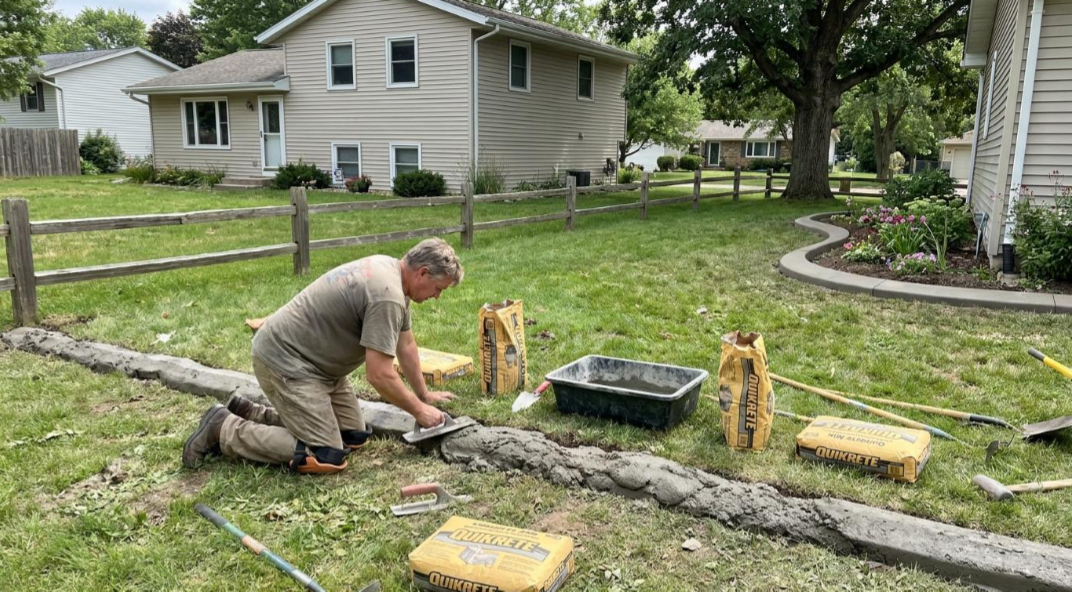
Person kneeling on grass beside fence posts in a yard, working with a tool near a house and tree.

DIY curbing starts with forming a trench, mixing concrete by hand or with a small mixer, and shaping the border using flexible form boards or a rented curbing mold. The process sounds simple, but execution is where most homeowners run into trouble.

  • Concrete must be mixed to the right water-to-cement ratio. Too wet, and the curb slumps and won't hold its shape. Too dry, and it cracks during curing.
  • Hand-formed curbing can't replicate the continuous, seamless profile that an extrusion machine produces. Joints between form sections are weak points where water can enter, and freezing can split the concrete.
  • Stamping decorative patterns by hand requires timing the concrete's set. Stamp too early and the pattern deforms; stamp too late and the surface resists the impression.
  • Expansion joints need to be placed at calculated intervals. Without them, Wisconsin's frost depth (40 to 60 inches in parts of northern Wisconsin) causes the entire run to crack as the ground heaves.

Where DIY Curbing Falls Short in Wisconsin

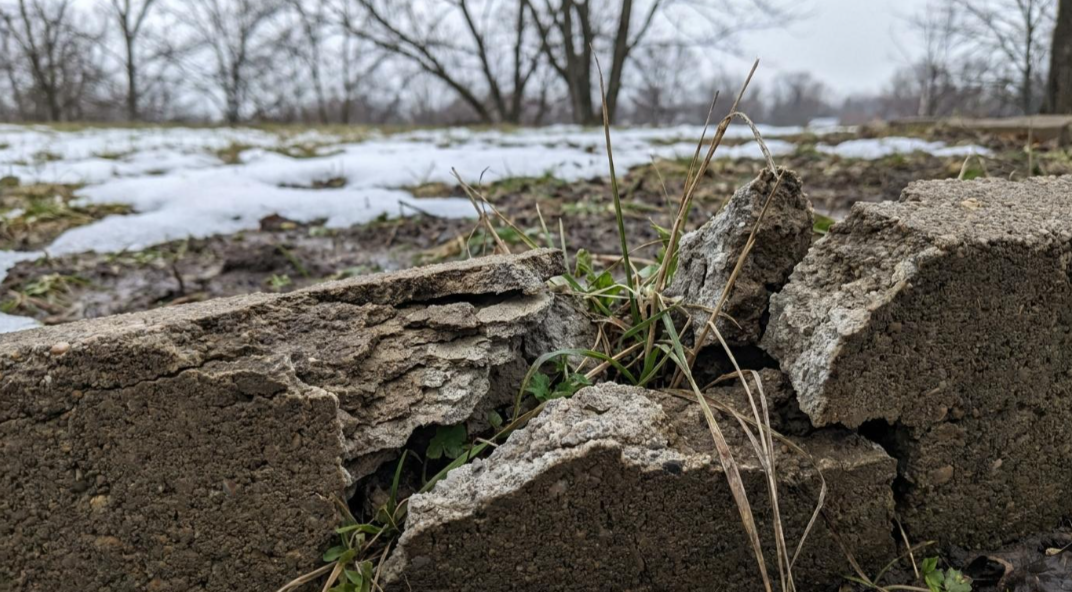
Cracked concrete slab with weeds, snow patches, and bare trees in the background

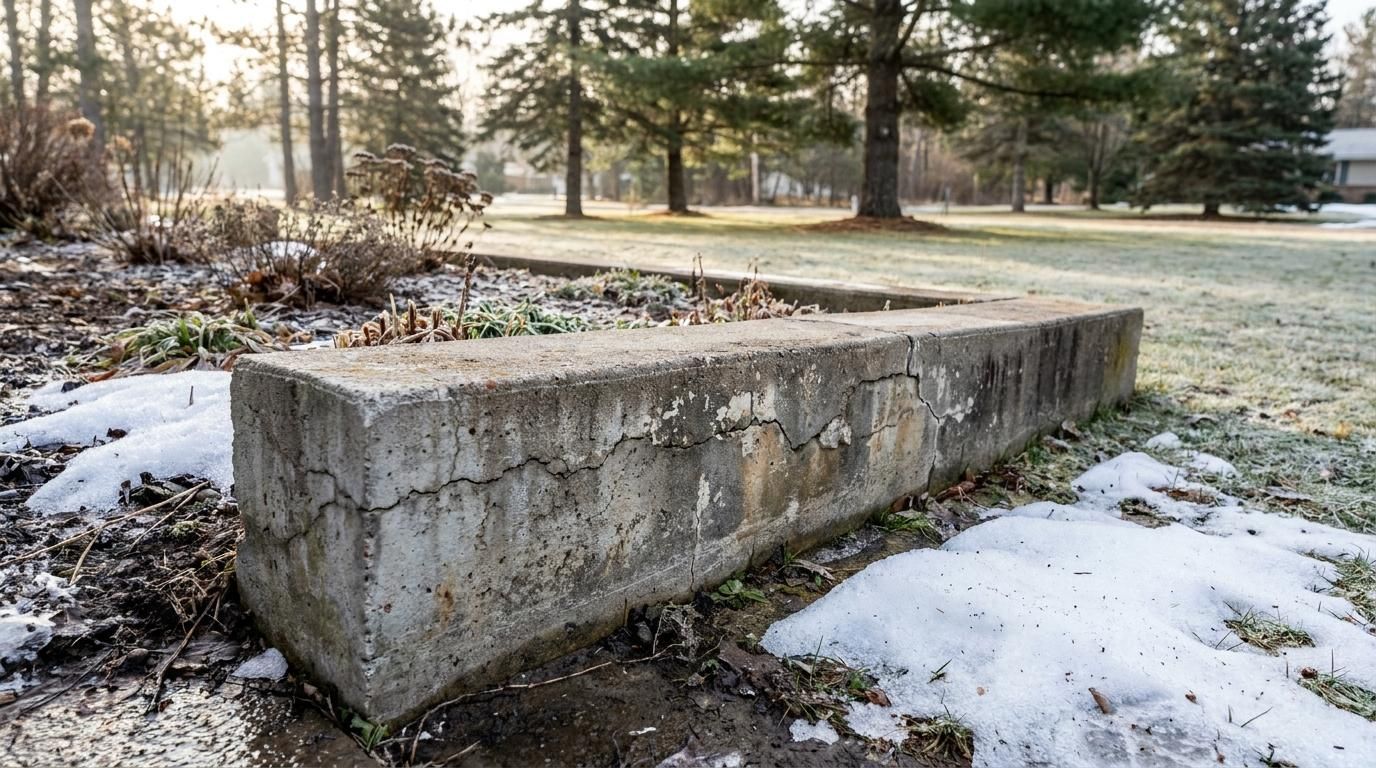
The core problem with DIY curbing in this region isn't effort or skill. It's the concrete mix itself. Bagged concrete from a home improvement store isn't formulated for the same freeze-thaw resistance as the commercial-grade mix a professional crew uses.

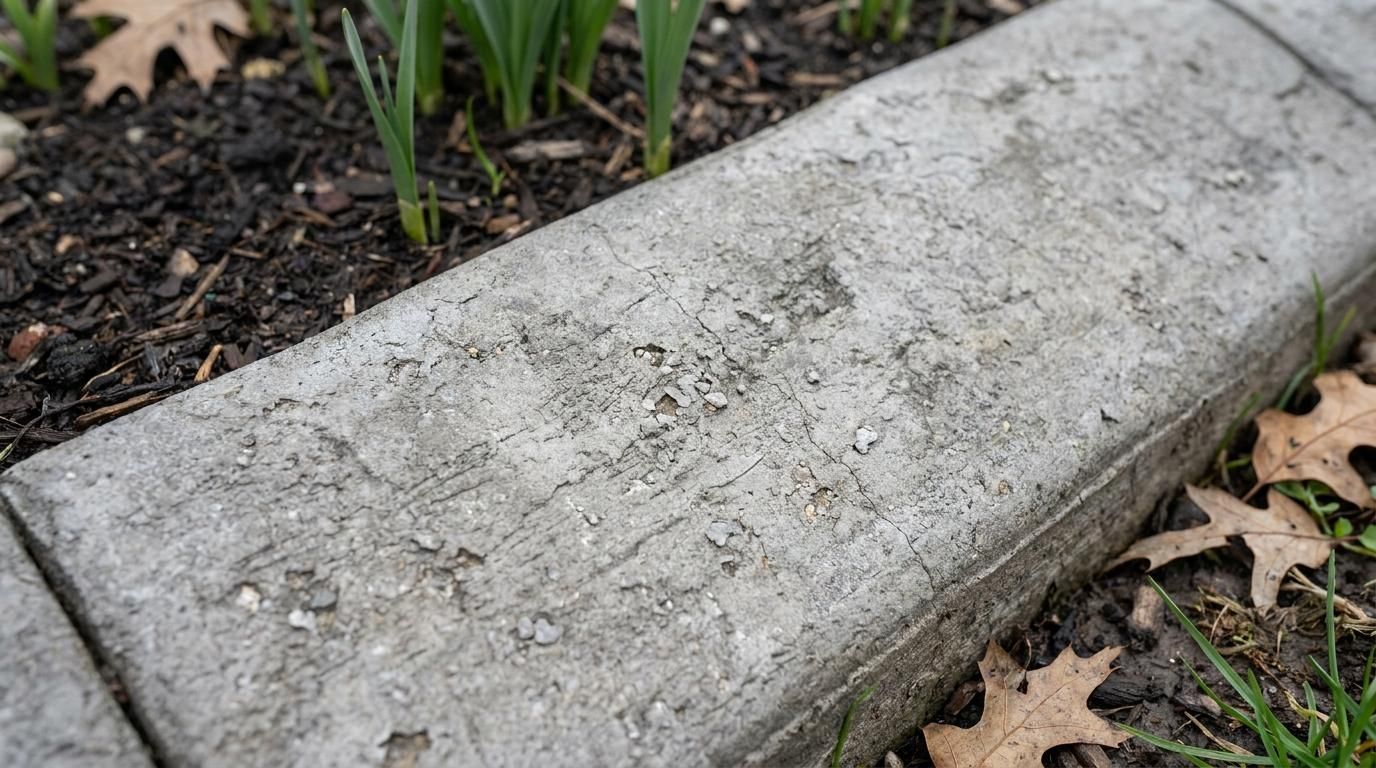
Northern Wisconsin sees temperatures swing above and below freezing multiple times per week during spring and fall. Water enters surface pores, freezes, expands, and chips away at the concrete from the inside. Professional curbing uses a denser mix with lower porosity and is sealed days after installation to block moisture penetration. DIY curbing rarely gets this level of protection.

The second issue is consistency. A Harpten extrusion machine produces a uniform cross-section across the entire run—no thin spots, no air pockets, no cold joints between batches. Hand-formed curbing almost always has variations that become failure points after two or three winters.

What a Professional Installation Delivers

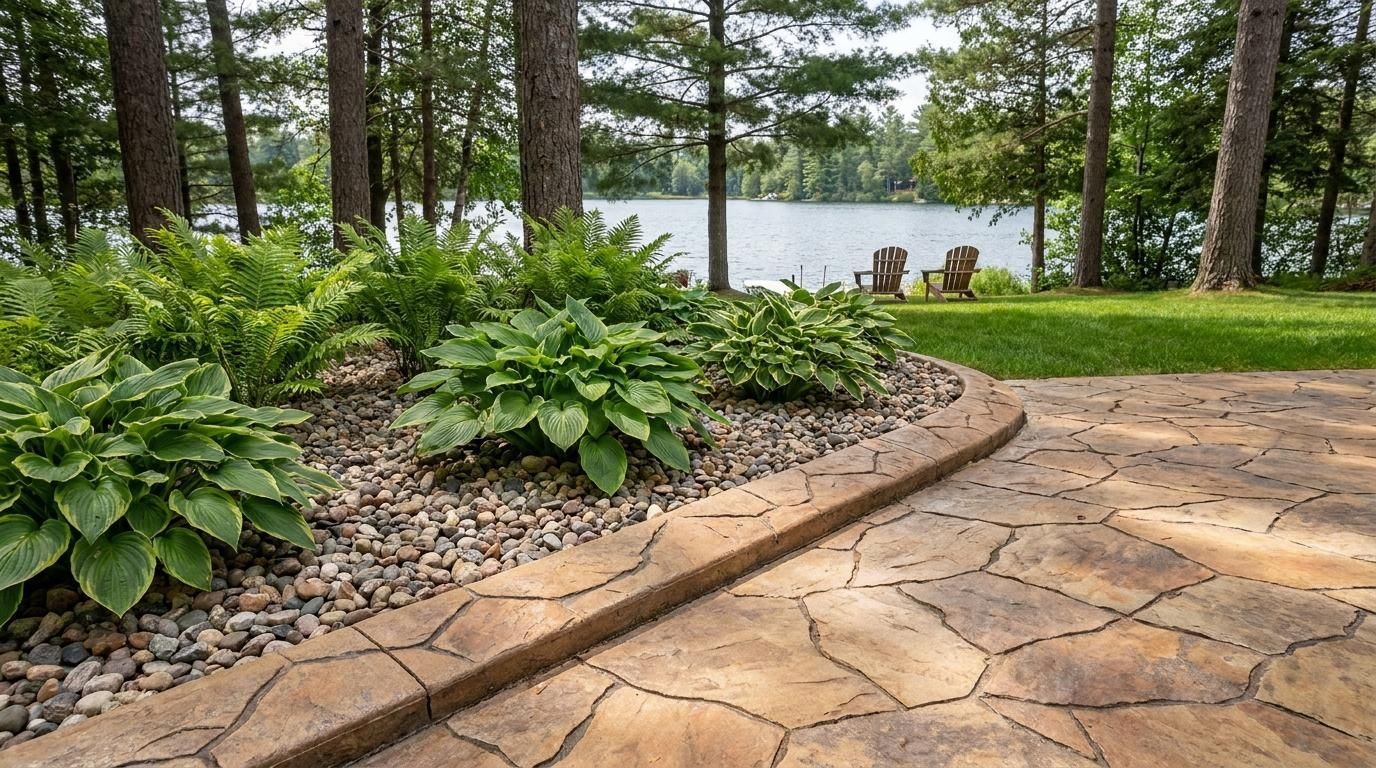
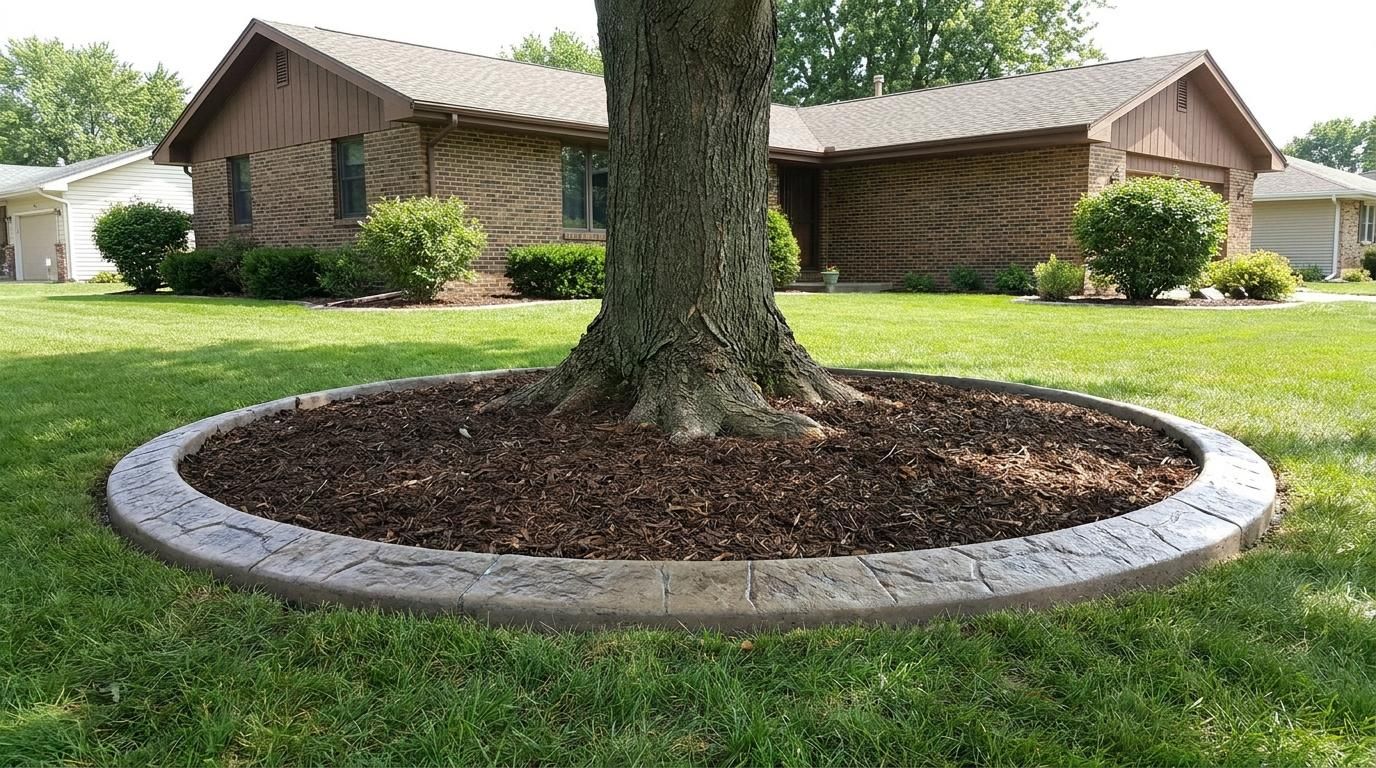
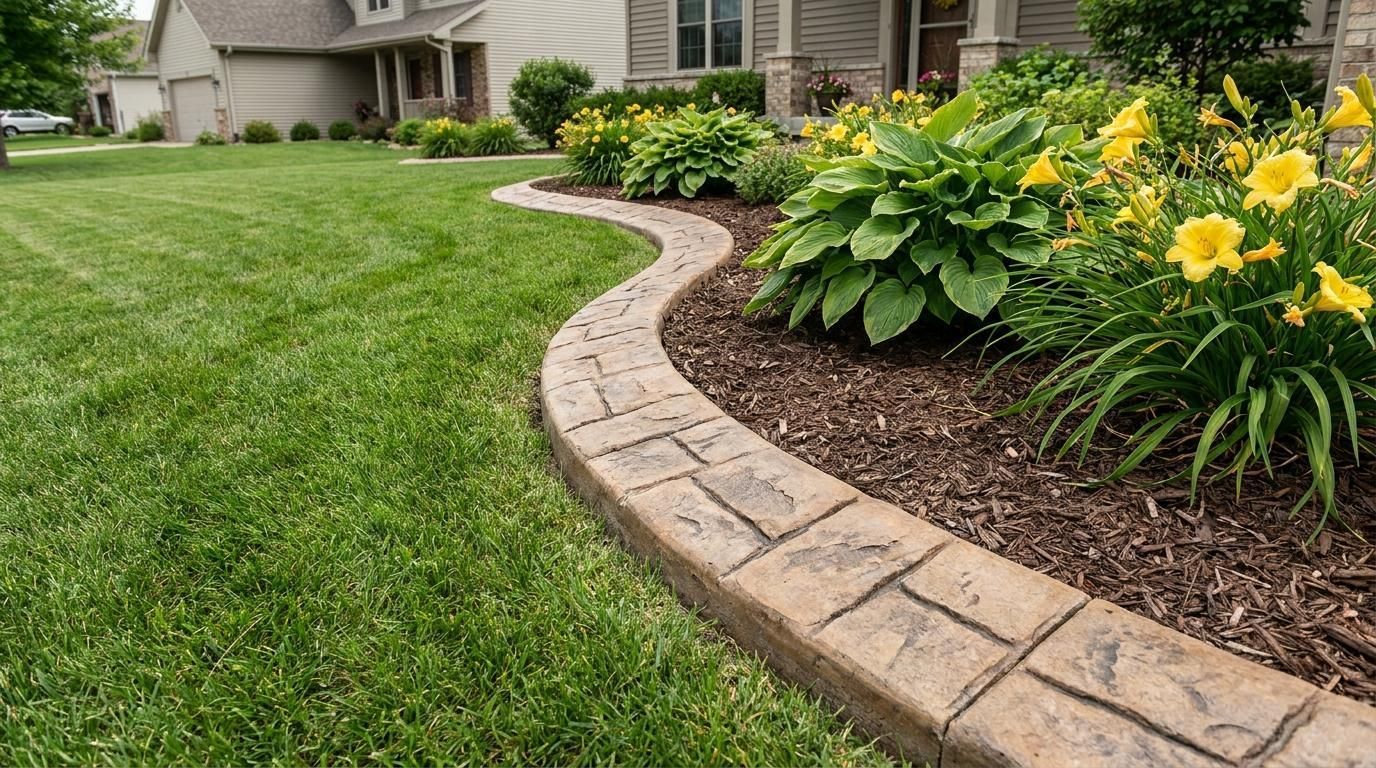
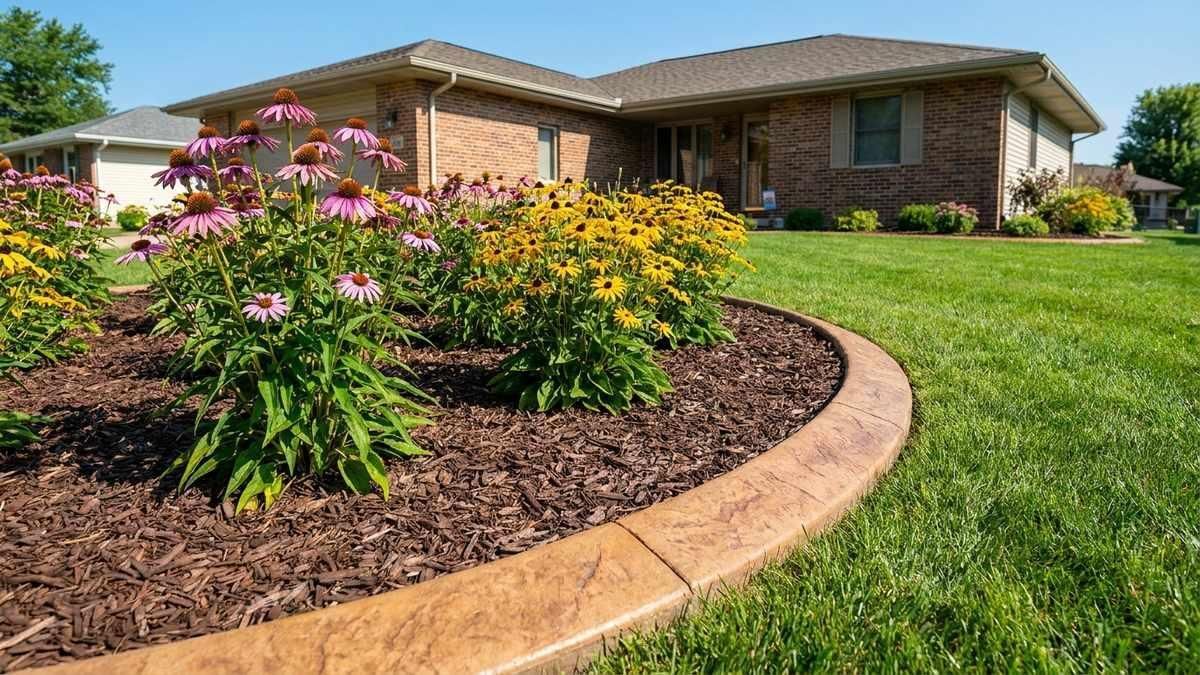
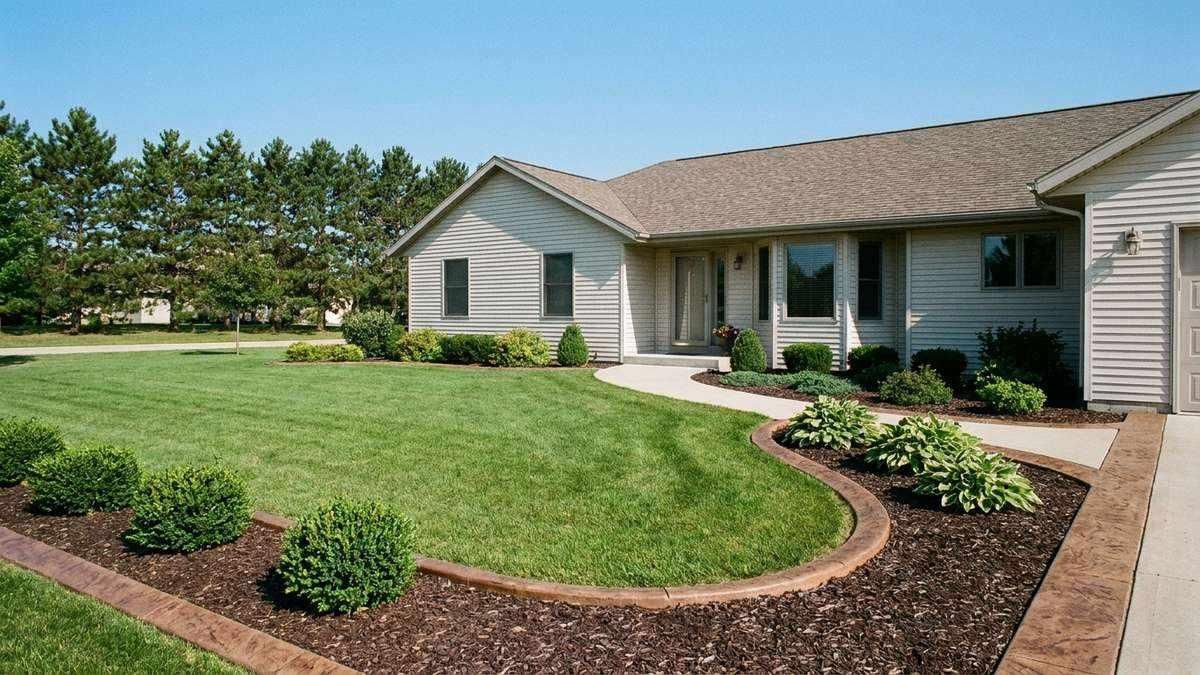
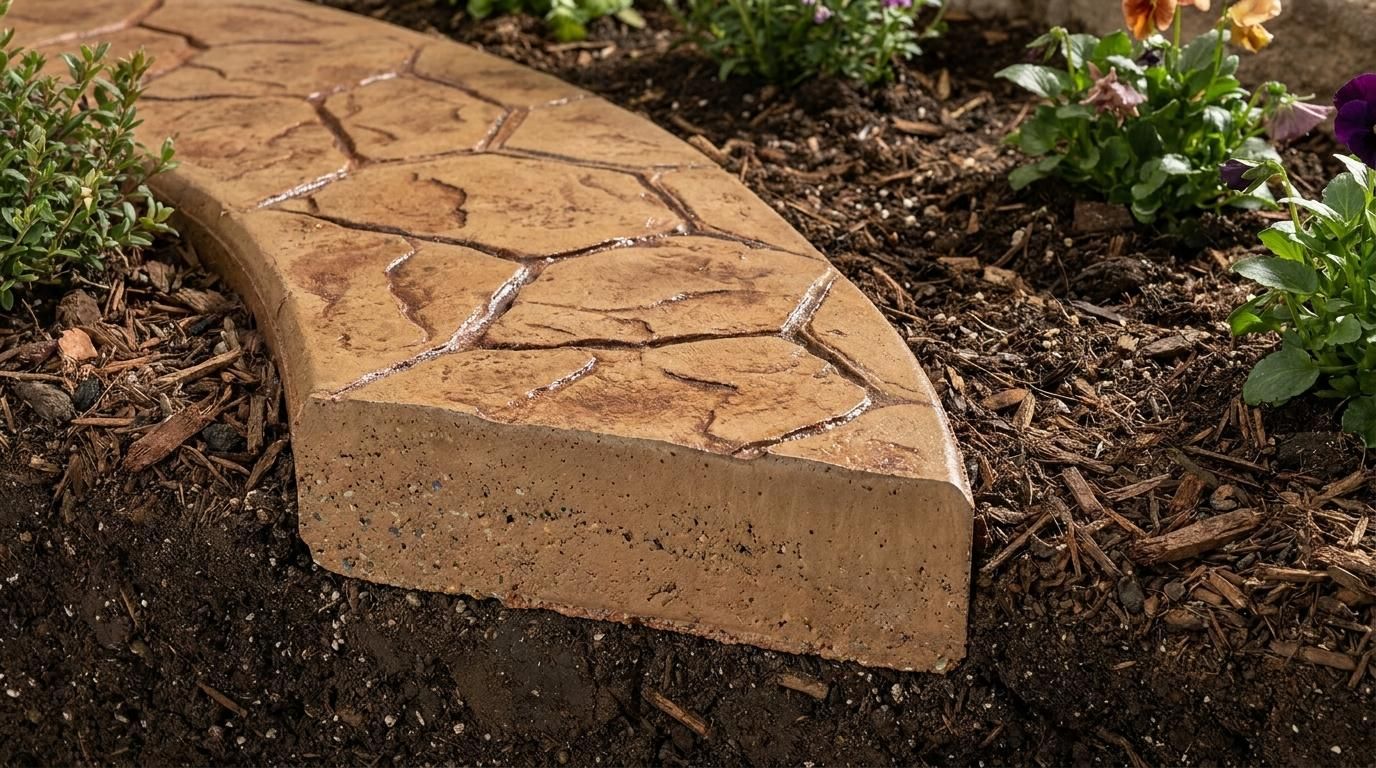
 Professional concrete curbing from Elite Landscape Curbing includes the full scope of work required for lasting borders. The crew prepares the base, mixes commercial-grade concrete on-site, extrudes a continuous, seamless profile with the Harpten machine, stamps and colors the surface, and returns days later to apply a polysealer. Our project gallery showcases finished results from properties across Wisconsin.

  • Expansion joints placed at engineered intervals to absorb freeze-thaw ground movement
  • 23 stamp patterns and 80+ color options applied during installation, not painted on after
  • A 2-year workmanship warranty covering the installation against defects
  • Annual resealing service to maintain the surface seal and prevent moisture damage

Most residential projects are finished in a single day. Every completed project includes a follow-up packet with warranty information and maintenance instructions. For homeowners weighing the investment, this breakdown of curbing's long-term value puts the numbers in perspective.

Frequently Asked Questions

Can I save money by doing concrete curbing myself?

Upfront material costs for DIY curbing range from $1 to $3 per linear foot, but most hand-formed concrete in Wisconsin typically needs replacement within two to four years. Professional curbing, priced at $5 to $15 per foot, typically lasts 15 to 20 years, making it less expensive over time when you factor in repeated DIY replacements.

How long does professional curbing installation take?

Most residential curbing projects are completed in one day. Elite Landscape Curbing returns 5 to 7 days later to apply the initial polysealer coat. The team provides a detailed timeline at the consultation so you know exactly what to expect before work begins.

What happens to DIY concrete curbing during a Wisconsin winter?

Bagged concrete mix absorbs moisture through surface pores. When temperatures drop below freezing, that moisture expands and causes spalling, creating chips on the surface and and flaking that worsen each season. Professional curbing uses denser concrete and a sealed surface to resist this cycle.

Make the Choice That Lasts

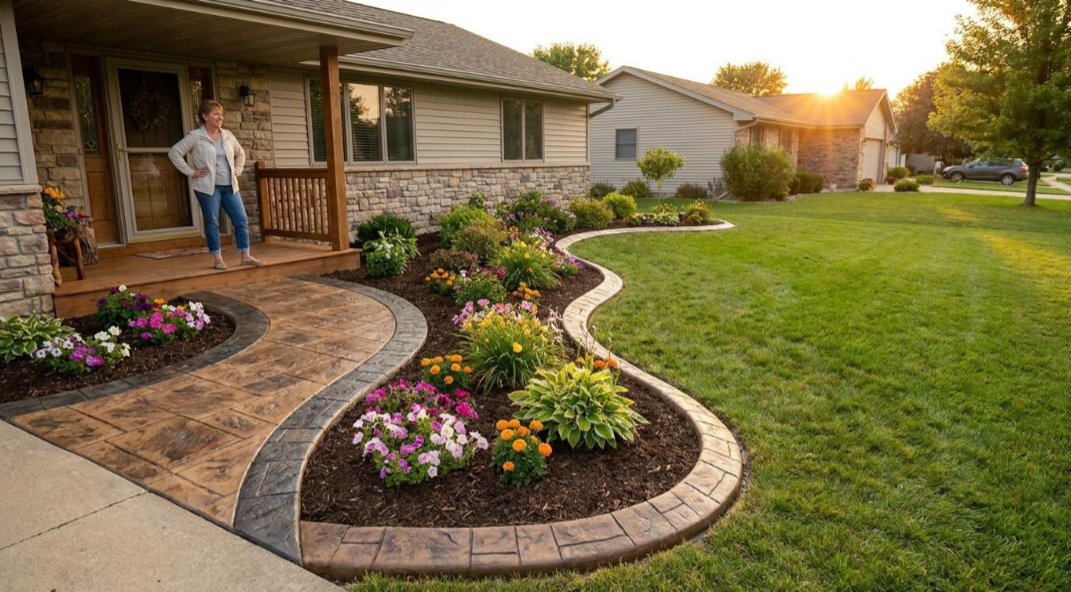
Curved flower bed beside a suburban house at sunset, with a man standing on the front porch.

DIY curbing works for homeowners in mild climates with minimal freeze-thaw stress. In central and northern Wisconsin, the difference between hand-formed concrete and machine-extruded professional curbing shows up after the first hard winter. The choice is between a weekend project you'll redo in three years and a one-day professional installation that holds for two decades.

Elite Landscape Curbing serves Merrill , Wausau, Stevens Point, and communities throughout the Northwoods. Get your free quote and receive a detailed estimate within 12 hours.

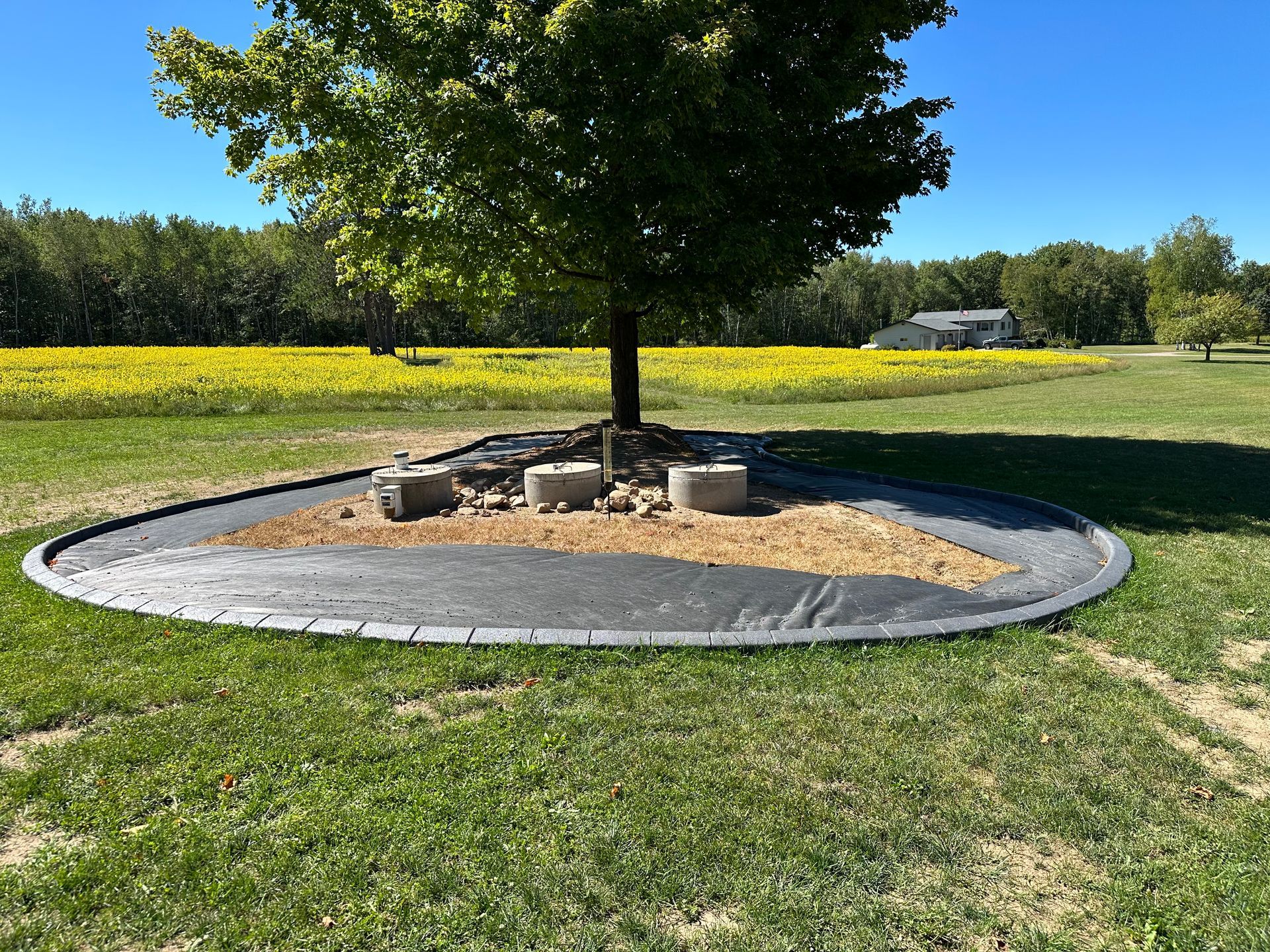
Young tree in a circular mulch bed with rocks, surrounded by grass in a sunny field
By Seth Pajtash April 29, 2026
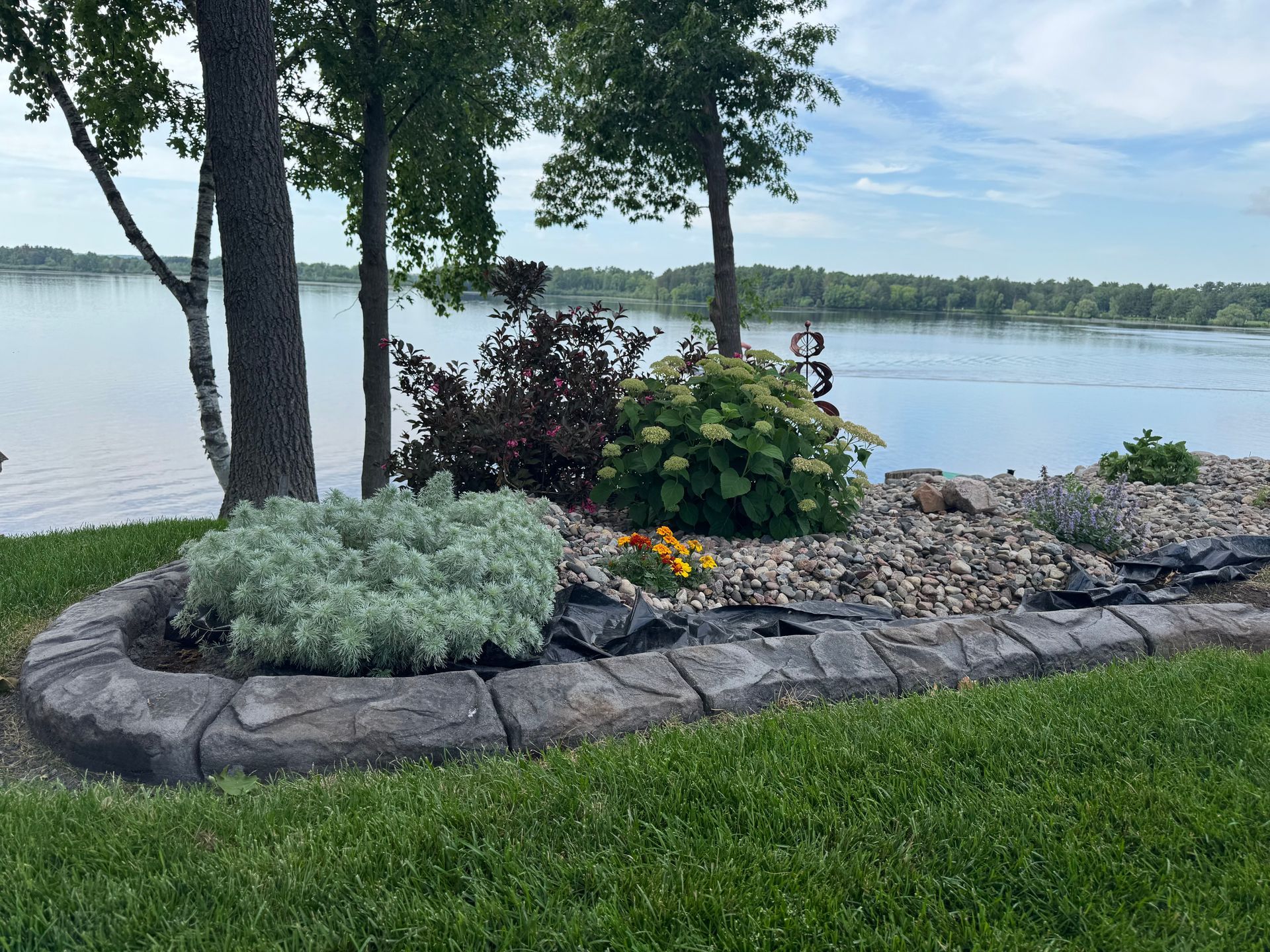
Explore landscape border ideas for Central Wisconsin and Northwoods homes. Discover stone textures, color accents, and creative layouts built to last.
Landscaped lakeside garden with shrubs, flowers, stone edging, and trees overlooking calm water
By Seth Pajtash April 22, 2026
Explore concrete curbing ideas from rustic stone to clean-line brick patterns. See which styles are elevating Wisconsin landscapes in 2026.
Person standing in a yard examining a garden bed beside a house, holding papers.
By Seth Pajtash April 10, 2026
Landscape curbing cost in Central Wisconsin ranges from $5 to $15 per linear foot. See what affects pricing and budget for your 2026 project.
By Seth Pajtash March 2, 2026
Discover 5 gravel driveway curbing ideas built for Wisconsin's freeze-thaw climate. These concrete border styles hold stone in place and stay sharp for years.
By Seth Pajtash February 3, 2026
Concrete curb repair in Northern Wisconsin starts with knowing what caused the damage. Learn when to DIY, when to replace, and how to make your repairs last.
By Seth Pajtash January 5, 2026
Boost curb appeal with low-maintenance landscaping ideas for Wisconsin front yards. Elite Curbing's concrete borders offer lasting beauty & minimal upkeep.
By Seth Pajtash December 1, 2025
Is concrete landscape curbing worth it? Elite Landscape Curbing details the ROI, durability, and low maintenance that make our borders a smart investment.
By Seth Pajtash October 3, 2025
Discover 6 popular concrete curbing styles perfect for Wisconsin homes. Get expert tips on decorative landscape edging options that withstand harsh winters.